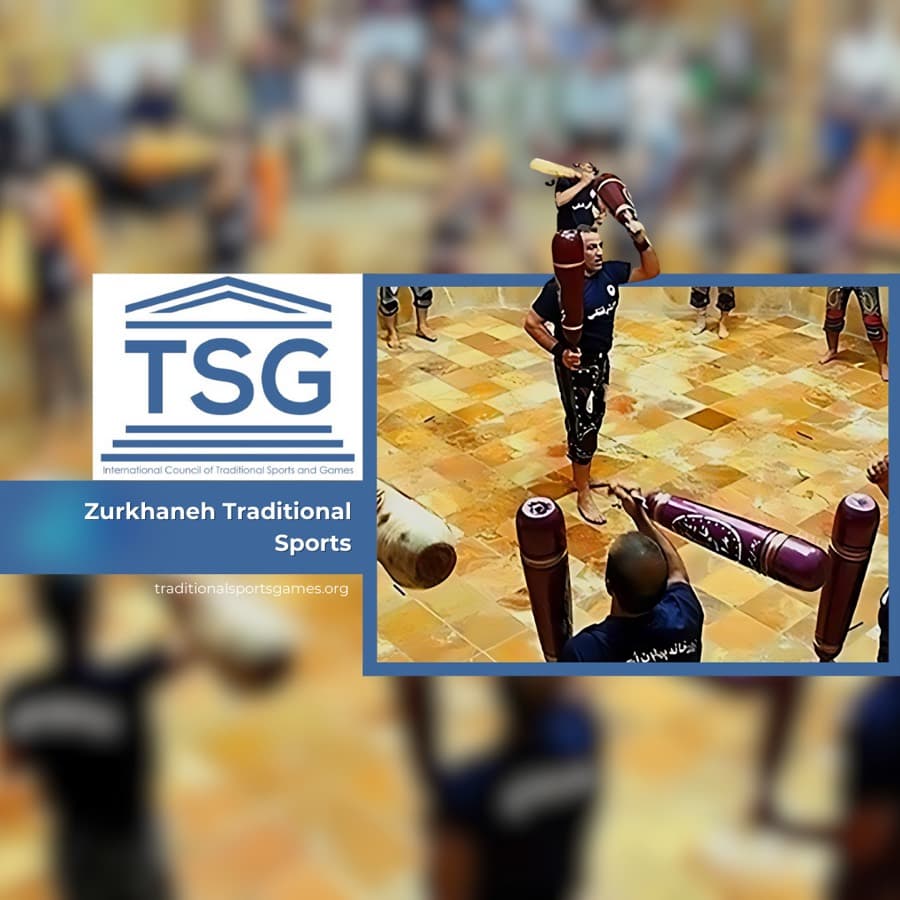
Zurkhaneh is a deep-rooted traditional Iranian sport that combines elements of wrestling, physical fitness, and mental discipline. Recognized by UNESCO as an Intangible Cultural Heritage, Zurkhaneh has been practiced for centuries in Iran and is a key part of the country’s historical sporting culture. The sport is often performed in a specially designed hall called a "Zurkhaneh" (literally "House of Strength") and is both a physical and spiritual training ground for its practitioners. The roots of Zurkhaneh can be traced back to ancient Persia, with connections to the legendary hero Rustam from the Shahnameh epic. While various folk wrestling styles were practiced across different Iranian provinces, Zurkhaneh wrestling (koshti) was particularly recognized for its focus on combat training and the development of warriors. It is designed not only to improve physical strength but also to instill a deep sense of national pride and readiness for battle. Zurkhaneh activities are divided into two categories based on the use of accessories:
Accessory-activities include:
Sang Gereftan (lifting heavy stones) Milgiri (sword lifting) Shena (push-ups using a wooden plank) Kabbadeh Zadan (swinging large wooden clubs)
Non-accessory-activities include:
Stretching and warm-up exercises Foot tapping, spinning, and heroic movements that help build agility and balance
The practice of Zurkhaneh not only trains the body but also the mind, promoting qualities like perseverance, discipline, and unity. It is performed individually or in groups, with participants working together to improve their skills while maintaining a strong sense of camaraderie. Today, Zurkhaneh continues to play an important cultural role in Iran, embodying the values of resilience and strength. The sport's unique combination of physical exertion and moral teaching makes it a significant part of Iran’s cultural heritage and a symbol of the enduring power of traditional sports.
When a sport disappears, it is like a language no longer spoken - its stories, values, and lessons risk being lost forever. When we revive a game, we revive a culture.
Khalil Ahmed Khan - President, ICTSG