Wrestling is more than a contest of strength -it is one of humanity's oldest and most universal forms of expression. From ancient cave drawings to modern arenas, wrestling has transcended time, geography, and language.
Long before the codification of modern sports, wrestling was practiced in tribal rituals, harvest festivals, and royal courts. From the epic of Gilgamesh in Mesopotamia to the murals of ancient Egypt and the reliefs of classical Greece, wrestling stands as one of the foundational traditions of human civilization.
SENEGALESE LAAMB WRESTLING Laamb is more than a sport in Senegal -it is a cultural institution. Wrestlers enter the arena to drumbeats and praise singers, wearing elaborate costumes. Matches are preceded by protective rituals, and champions achieve celebrity status rivaling football stars.
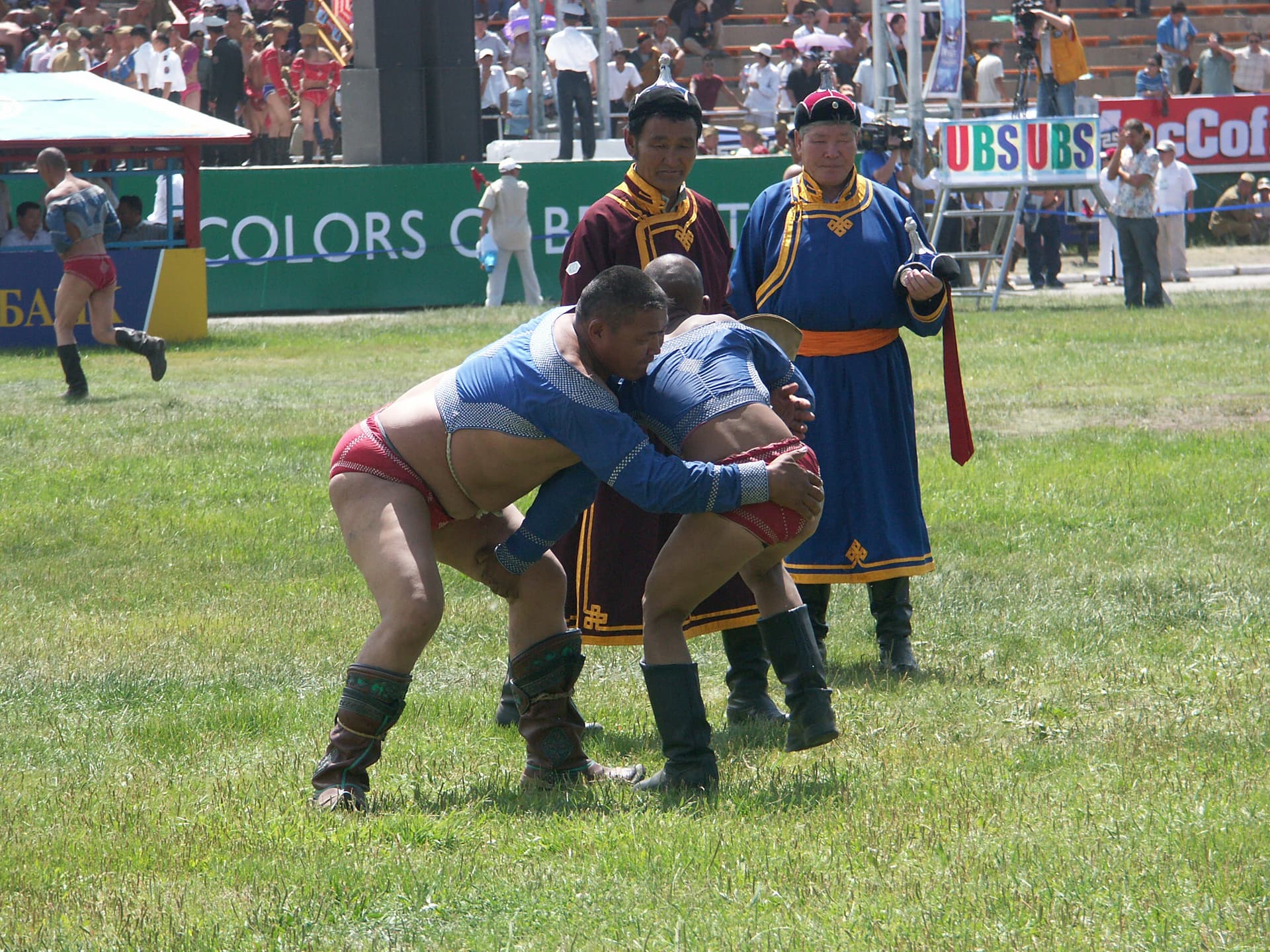
MONGOLIAN BÖKH Featured in the Naadam Festival, Bökh has been practiced for over 1,000 years. There are no weight classes; competitors wear traditional zodog (jacket) and shuudag (shorts). A wrestler loses when any body part above the knee touches the ground.
ICELANDIC GLIMA Dating to the Viking Age, Glima is characterized by a distinctive sideways stance and specific grip rules. Three main forms exist: Lausatök (loose grip), Hryggspenna (back-hold), and Brokartök (trouser-grip). It remains Iceland's national sport.
TURKISH YAĞLI GÜREŞ (OIL WRESTLING) Wrestlers coat themselves in olive oil, making grip nearly impossible. The Kırkpınar tournament in Edirne has been held continuously since 1346, making it one of the world's oldest continuously running sporting competitions.
GEORGIAN CHIDAOBA An ancient style where wrestlers wear special jackets. Chidaoba is recognized as Intangible Cultural Heritage by UNESCO.
ICTSG's Online Encyclopedia currently documents over 40 distinct traditional wrestling styles, with ongoing fieldwork to identify additional regional variations.
When a sport disappears, it is like a language no longer spoken - its stories, values, and lessons risk being lost forever. When we revive a game, we revive a culture.
Khalil Ahmed Khan - President, ICTSG