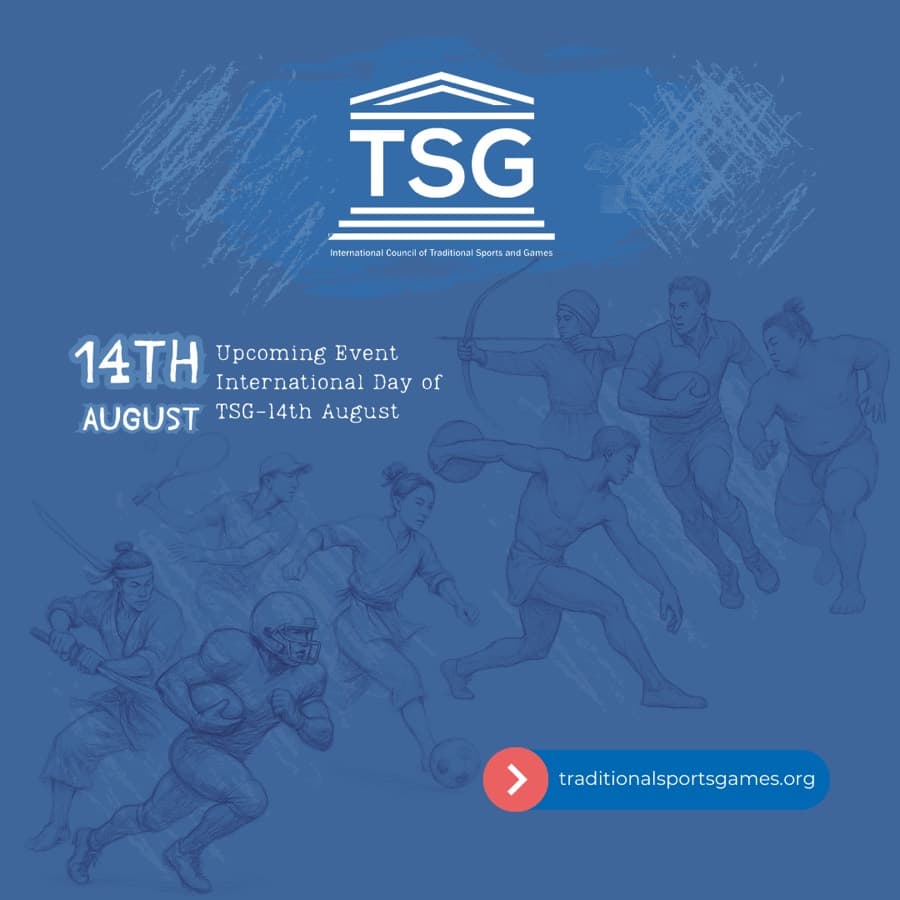
Why Traditional Sports and Games Are Important: Cultural and Global Significance Introduction Traditional Sports and Games (TSGs) are more than just leisure activities. They are living expressions of cultural identity, community bonding, and ancestral wisdom. 1. Preserving Intangible Cultural Heritage Why TSGs Are Cultural Time Capsules
Maintain language, songs, and chants Conserve indigenous knowledge systems Uphold rituals and spiritual meaning
2. Fostering Intergenerational Transmission Bridging Generations Through Play
Respect for elders Continuity in cultural memory Family and community bonding
3. Promoting Physical and Mental Health A Wholesome Alternative to Sedentary Lifestyles
Improved fitness and agility Outdoor and inclusive nature Reduced screen time
4. Enhancing Community Participation and Social Cohesion TSGs Strengthen Local Identities
Community bonding through festivals Inclusion of all age groups and genders Local and diaspora identity preservation
5. Tools for Peace and Conflict Resolution
Non-violent symbolic competition Teaching fairness and empathy Encouraging leadership through skill
6. Supporting Sustainable Development Goals (SDGs) TSGs and the 2030 Agenda
SDG 3: Health SDG 4: Education SDG 5: Gender Equality SDG 11: Sustainable Communities SDG 16: Peace and Institutions
7. Educational and Ethical Values
Fair play and cooperation Strategic thinking and discipline Grace in defeat, humility in victory
TSGs are cultural, ethical, and educational treasures. They represent not only the past but the future of inclusive, sustainable, and peaceful societies. Join ICTSG in preserving and promoting these valuable cultural expressions.
When a sport disappears, it is like a language no longer spoken - its stories, values, and lessons risk being lost forever. When we revive a game, we revive a culture.
Khalil Ahmed Khan - President, ICTSG