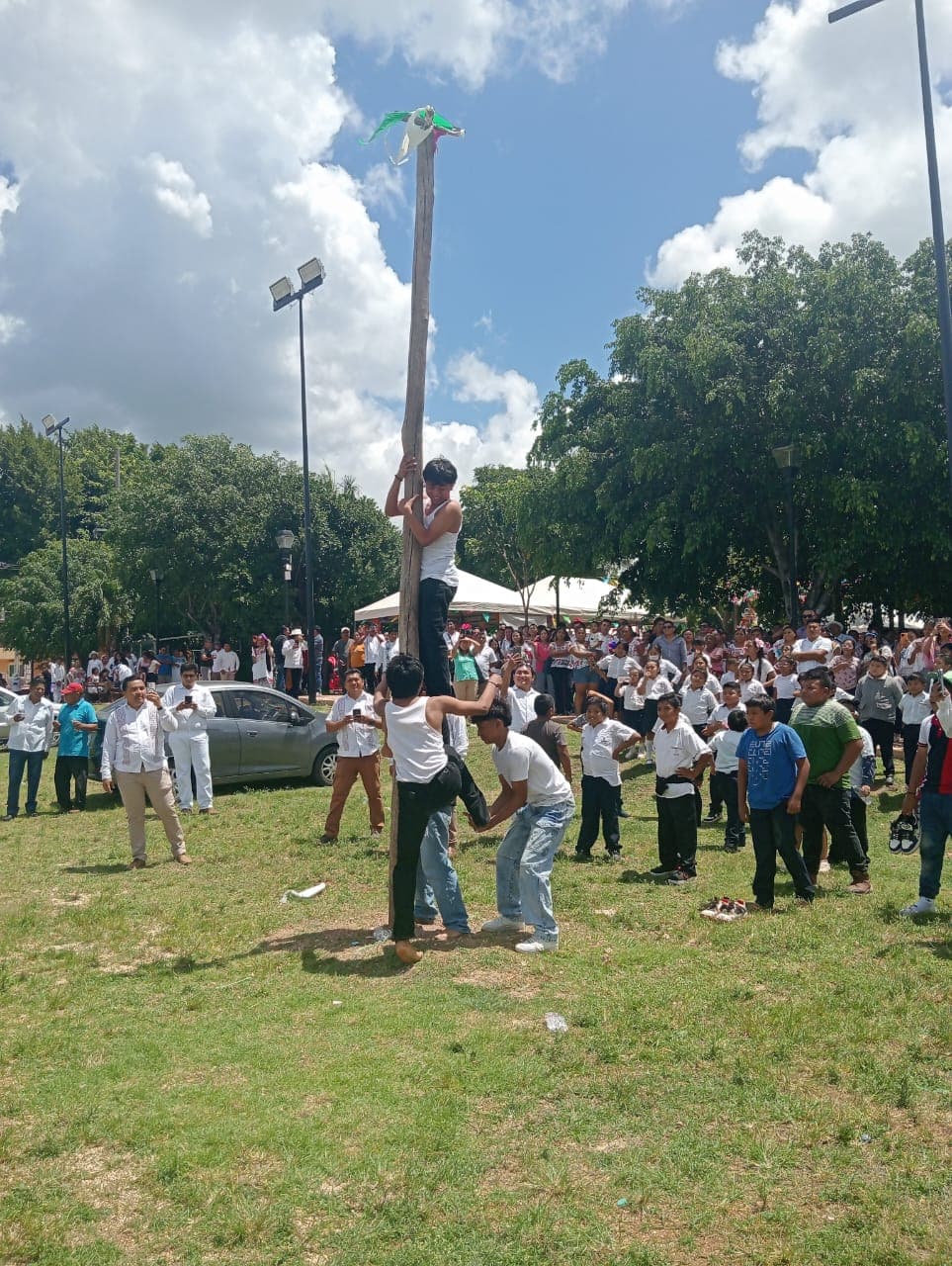
Traditional sports and games (TSG) are physical activities, competitive practices, and play traditions that have their roots in the cultural heritage of specific communities and have been transmitted from generation to generation as expressions of cultural identity, social values, and community bonds.
Defining Traditional Sports and Games
What makes a sport or game "traditional" is not primarily its age. Rather, it is the character of its relationship with a particular community or culture. A traditional sport originates within a specific cultural community and reflects that community's values, ecological knowledge, and social practices. It is transmitted across generations through community-based learning without formal written rules. It carries cultural meaning beyond recreation -- serving ceremony, identity, social bonding, or spiritual practice. And it is living -- actively practiced by real communities today.
The Diversity of Traditional Sports
The world's traditional sports display extraordinary diversity:
Combat and wrestling sports: Traditional wrestling is found on every inhabited continent -- from Senegalese Laamb and Mongolian Bokh to Turkish Yagli Gures and Indian Kushti.
Equestrian sports: Mongolian horse racing, Central Asian Kokpar, and Arab Furousiyya reflect deep bonds between communities and horses.
Ball and target games: From Irish Hurling to Sepak Takraw and Mesoamerican rubber ball games.
Water sports: Traditional canoe racing from the Pacific Islands to West Africa.
Martial arts: Pencak Silat, Capoeira, Muay Boran, and dozens of other traditions.
Precision sports: Traditional archery, stone putting, and the Scottish Highland Games.
Why Traditional Sports Matter
Traditional sports matter as cultural identity -- they encode history and values in practice. They enable intergenerational transmission of cultural knowledge. They build social cohesion at community gatherings. They provide accessible physical activity adapted to local environments. They encode ecological knowledge. And they offer economic development potential through cultural tourism.
The Risk of Loss
Traditional sports are under threat from urbanization, globalization, the dominance of modern commercial sports, declining interest among youth, and loss of the natural environments and social structures in which they were practiced.
This is why ICTSG's work is urgent. Documentation, advocacy, and community empowerment must happen now, while living practitioners can still share their knowledge and communities can still be mobilized.
When a sport disappears, it is like a language no longer spoken - its stories, values, and lessons risk being lost forever. When we revive a game, we revive a culture.
Khalil Ahmed Khan - President, ICTSG