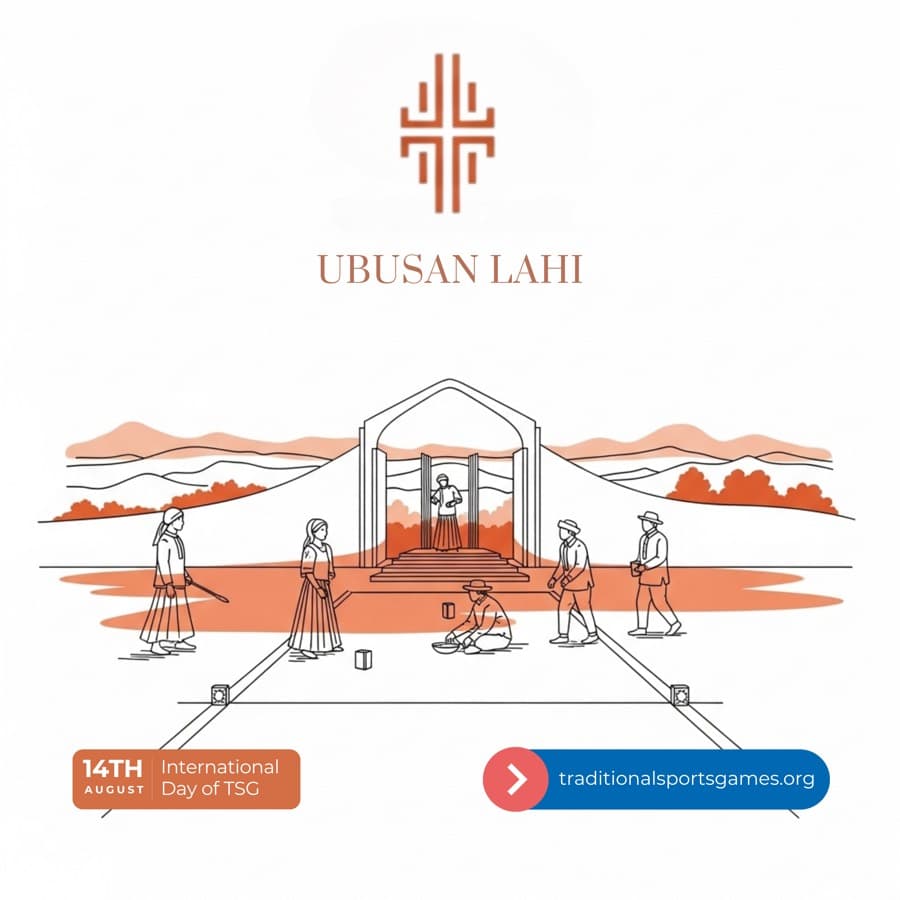
Ubusan Lahi: A Traditional Filipino Game of Teamwork, Tactics, and Cultural Preservation Ubusan Lahi, translated as “Wipe Out the Clan,” is one of the Philippines’ most socially interactive traditional sports and games (TSG). This tag-based game transforms competition into camaraderie, showcasing the value of indigenous knowledge and community participation in Filipino cultural life. Historical Background Rooted in Filipino village and urban play culture, Ubusan Lahi symbolizes the power of unity. Historically, the game has been a social event after school or during festivals, played in wide open spaces. Its name emphasizes the objective — to ‘convert’ all players into allies of the original tagger, making it both playful and deeply symbolic of social integration and harmony. Gameplay Rules
One player starts as the “tagger.” The rest are runners, avoiding being tagged. When a runner is tagged, they join the tagger’s team. The game ends when all players have been tagged and are now allies — the original "clan" is fully absorbed.
Cultural Significance Ubusan Lahi represents a playful narrative of social connection and transformation. It aligns with Filipino values of community and collaboration. The game also exemplifies intangible cultural heritage through spontaneous community participation and localized rule variations across regions. Strategic and Social Aspects
Requires tactical movement and alliance-building. Promotes negotiation and leadership among youth. Fosters respect for group decisions and shared goals.
Educational and Developmental Benefits This traditional game supports inclusive education and intergenerational transmission by being accessible to all age groups and backgrounds. It contributes to:
Physical fitness through running and agility. Emotional intelligence via group dynamics. Social practices that reinforce empathy and teamwork. Youth empowerment through leadership roles.
Alignment with UNESCO and the SDGs Ubusan Lahi actively supports the mission of UNESCO by contributing to the safeguarding of traditional sports and promoting:
SDG 4 – Quality Education SDG 5 – Gender Equality SDG 10 – Reduced Inequalities SDG 11 – Sustainable Cities and Communities SDG 16 – Peace, Justice, and Strong Institutions SDG 17 – Partnerships for the Goals
Similar Games Around the World Globally, other cultures enjoy similar cooperative tag games that also reflect cultural diversity and civil society engagement:
Kabaddi – India Kho Kho – South Asia Gella Chutt – Bangladesh
Community Impact Ubusan Lahi is a valuable asset for global health promotion, fostering physical activity, inclusion, and social cohesion. As modern lifestyles become increasingly digital, safeguarding such games ensures youth remain connected to performing arts, oral traditions, and local culture. Call to Action: Preserve, Educate, Participate By revitalizing Ubusan Lahi and similar heritage games, we promote sustainable development, cultural understanding, and social well-being across generations. Get Involved Benefits of Joining Support ICTSG
About ICTSG: The International Council of Traditional Sports and Games (ICTSG) works globally to protect and promote indigenous heritage through sports, strengthening cultural identities, fostering peace, and empowering communities worldwide. About Us | History | Contact
When a sport disappears, it is like a language no longer spoken - its stories, values, and lessons risk being lost forever. When we revive a game, we revive a culture.
Khalil Ahmed Khan - President, ICTSG