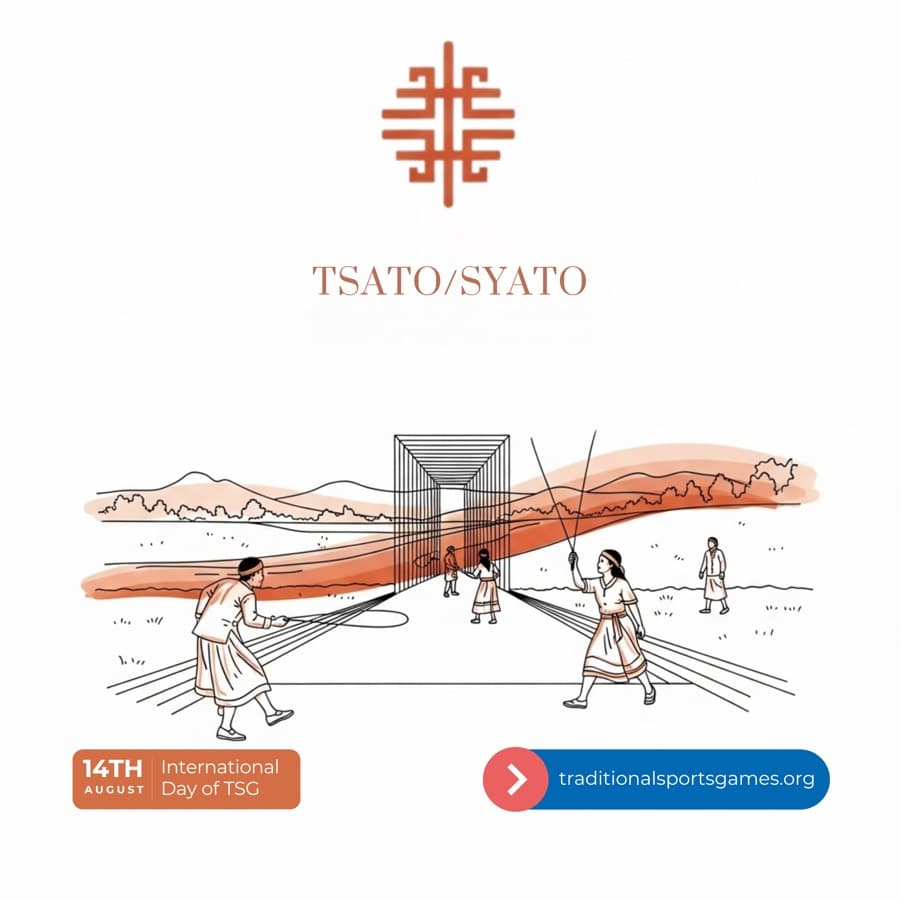
Tsato (Syato): The Traditional Filipino Bat-and-Tap Game Tsato (also spelled Syato) is a dynamic and engaging traditional sport and game (TSG) from the Philippines. Often played in open spaces using simple wooden sticks, Tsato exemplifies the creative spirit of Filipino youth and the preservation of indigenous knowledge through play. Historical Background Tsato is deeply rooted in rural Filipino communities, passed down through intergenerational transmission. It is often compared to similar games across Asia and Europe, such as “Tipcat” in England and “Gilli Danda” in South Asia. Played by children of all backgrounds, Tsato became a symbol of inclusive education, leisure, and life skills in pre-digital times. Gameplay and Rules
Played using two sticks: a long one (bat) and a shorter one (target). The short stick is placed on a small dug-out hole or surface. The player uses the long stick to flip the small stick into the air and then hit it as far as possible. Scoring is based on the distance the small stick travels, often measured using the long stick. Usually played one-on-one or in small groups with turns.
Cultural Significance Tsato represents a fusion of physical agility and mental calculation. The game encourages social interaction, develops strategic thinking, and celebrates cultural identity among Filipino children. As an intangible cultural heritage, it contributes to community participation and strengthens social bonds in both rural and urban barangays (villages). Strategic and Educational Benefits
Hand-eye Coordination: Players must time their hits accurately. Physical Development: Enhances reflexes and stamina. Numeracy Skills: Distance-based scoring encourages estimation and basic math. Critical Thinking: Players develop better timing and striking techniques.
Global Connections and Similar Games Tsato shares similarities with various traditional games worldwide, showing the global nature of bat-and-stick games:
Gilli Danda – India, Nepal Tipcat – England Similar Tap Games – Sub-Saharan Africa
Alignment with UNESCO’s Sustainable Development Goals Tsato aligns with SDG 4 (Quality Education), SDG 5 (Gender Equality), SDG 10 (Reduced Inequality), SDG 11 (Sustainable Cities & Communities), and also contributes to youth empowerment and civil society engagement. Community Impact As a low-cost, inclusive activity, Tsato brings children together across socio-economic backgrounds. It offers a safe, creative outlet that promotes health, heritage, and happiness. Tsato can easily be introduced in schools and heritage events, reinforcing national identity and global appreciation for intangible cultural practices. Get Involved Benefits of Joining Support ICTSG
About ICTSG: The International Council of Traditional Sports and Games (ICTSG) promotes the safeguarding, celebration, and global awareness of traditional sports as living cultural expressions. Learn more about our values and vision: About Us History Contact
When a sport disappears, it is like a language no longer spoken - its stories, values, and lessons risk being lost forever. When we revive a game, we revive a culture.
Khalil Ahmed Khan - President, ICTSG