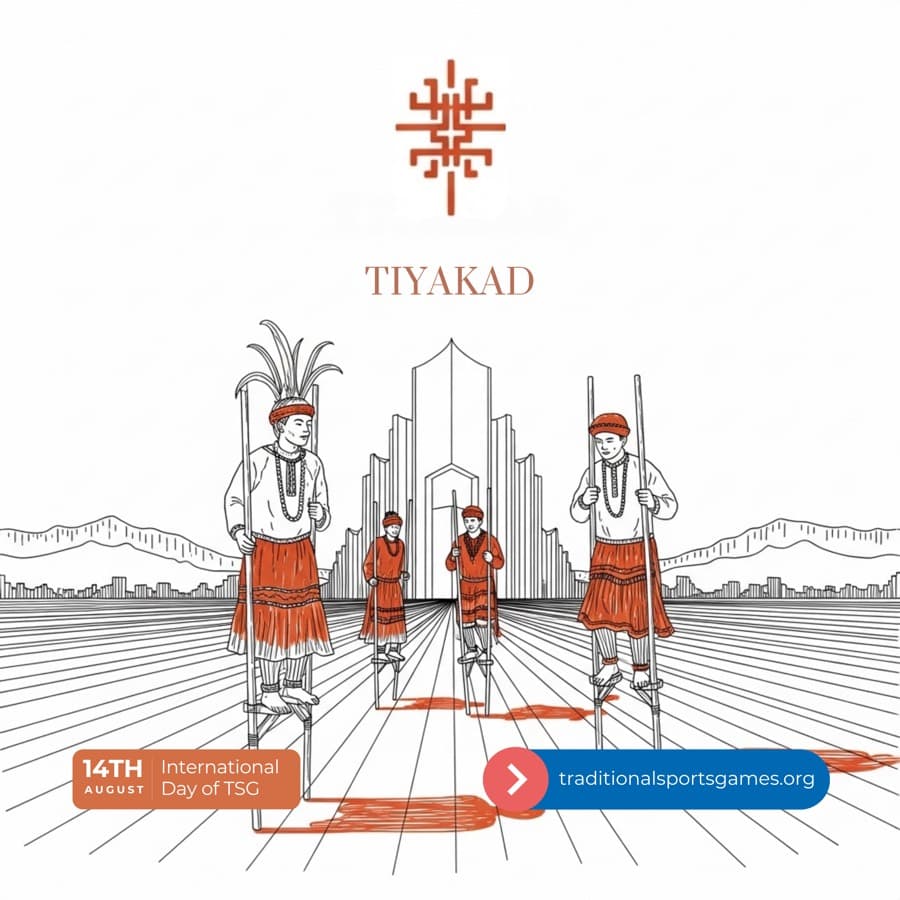
Tiyakad: The Balancing Game of Filipino Cultural Heritage Tiyakad is a classic traditional sport and game (TSG) from the Philippines that involves players walking or racing using tall bamboo stilts. Known for its engaging mix of balance, speed, and laughter, Tiyakad continues to embody indigenous knowledge and intangible cultural heritage passed down through generations. Historical Background Tiyakad, also known as “stilt walking,” has been played for centuries in Philippine rural communities, particularly during town fiestas and harvest celebrations. Originally devised from everyday materials like bamboo, this maneuvering game reflects Filipino ingenuity and the tradition of intergenerational transmission. Gameplay and Rules Tiyakad requires players to race or walk using stilts made from bamboo. These stilts, called "tayakad," elevate the player above the ground, making balance the main challenge. Basic rules include:
Players must mount the stilts without external support Walking or racing from a start to finish line Disqualification if a player falls or touches the ground with their feet
Strategic and Physical Aspects Success in Tiyakad requires a combination of core strength, balance, and mental focus. It fosters coordination, perseverance, and teamwork, contributing to both physical fitness and youth empowerment. Cultural Significance Tiyakad is deeply embedded in Filipino social practices and community participation. It is traditionally played during communal events that promote unity, equality, and cultural diversity. Today, it remains a symbol of rural life, heritage, and Filipino resilience, especially among children and youth. Educational Value and Global Relevance
Promotes inclusive education by welcoming children of all abilities Supports global health through physical activity and outdoor play Teaches cultural respect, creativity, and motor skills development Encourages storytelling and oral traditions linked to Filipino history
Community Impact By reviving and safeguarding Tiyakad, communities build social cohesion and preserve intangible cultural heritage. These efforts support UNESCO’s Sustainable Development Goals such as:
SDG 4: Quality Education SDG 5: Gender Equality SDG 10: Reduced Inequalities SDG 11: Sustainable Cities and Communities SDG 16: Peace, Justice, and Strong Institutions SDG 17: Partnerships for the Goals
Related Traditional Games If you’re interested in similar games of balance and coordination, explore other regional TSGs such as:
Sangkayaw (Philippines) Luksong Tinik (Philippines) Echantillon (Africa)
Call to Action Let’s work together to safeguard traditional games like Tiyakad that define our cultural identity and enrich global heritage. By encouraging active participation, inclusive education, and community celebration, we can ensure that this legacy continues for generations to come. Get Involved Benefits of Joining Support ICTSG
About ICTSG The International Council of Traditional Sports and Games (ICTSG) supports safeguarding of intangible heritage by preserving global TSGs, promoting civil society engagement, and empowering youth through culturally inclusive education and advocacy. About Us History Contact
When a sport disappears, it is like a language no longer spoken - its stories, values, and lessons risk being lost forever. When we revive a game, we revive a culture.
Khalil Ahmed Khan - President, ICTSG