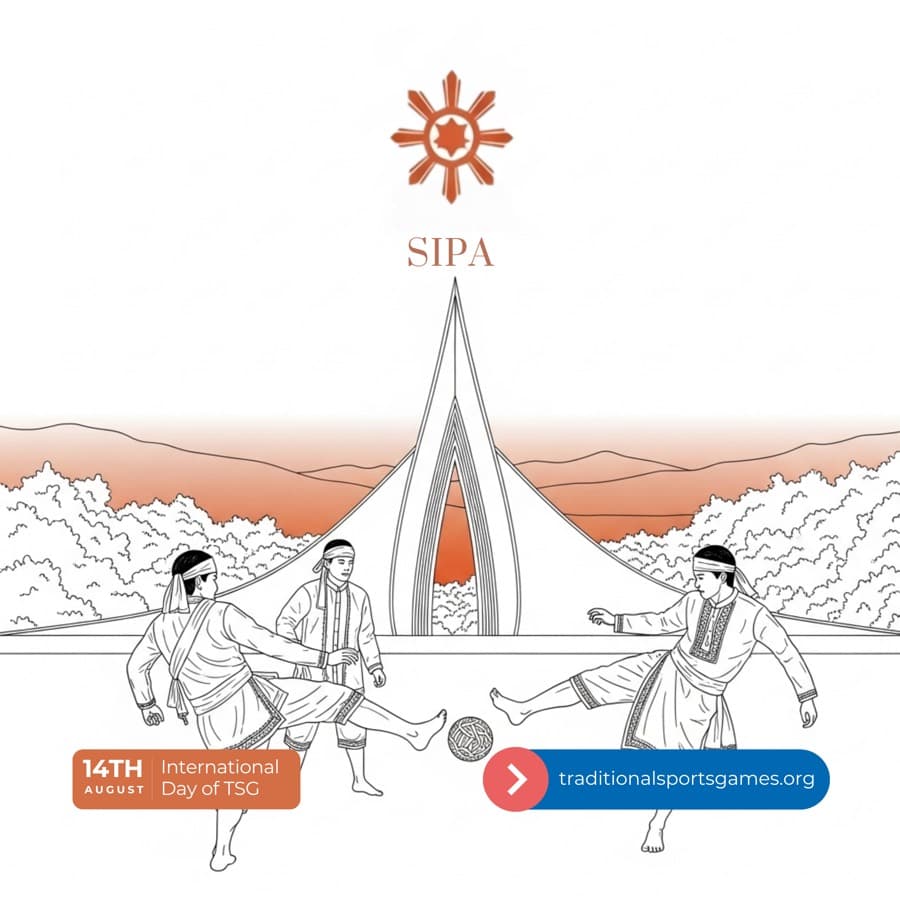
Sipa: The Traditional Filipino Game of Skill and Heritage Sipa, meaning "kick" in Filipino, is one of the most iconic traditional sports and games (TSG) in the Philippines. Practiced across generations, this indigenous foot game is more than a form of recreation—it's a vibrant symbol of cultural identity, community participation, and intangible heritage recognized for its physical and educational benefits. Historical Background Sipa has roots that predate the Spanish colonization of the Philippines and is believed to have evolved from similar Southeast Asian sports. Traditionally played by children, youth, and even adults in barangays (villages), Sipa has been both a pastime and a tool for intergenerational transmission of cultural values. It reflects the deep indigenous knowledge and resilience of the Filipino people. Gameplay and Rules
Players use their feet to keep a weighted object (usually a washer wrapped in cloth or string) called the sipa off the ground. The objective is to make the most kicks without letting the sipa fall. Kicks can be made with the inside foot, outside foot, or above the knee, depending on regional variations. Sipa can be played solo, in pairs, or in groups, often in a circle format. There are competitive variations where points are scored per successful kick or creative tricks performed.
Cultural Significance and Social Practices More than just a game, Sipa fosters social practices by bringing communities together in public spaces like schoolyards and streets. It strengthens inclusive education and encourages physical fitness through traditional means. As a part of performing arts, some Sipa forms integrate rhythm, choreography, and competitive artistry. Strategic Aspects and Educational Value
Agility and Reflexes: Enhances motor coordination and cardiovascular health, contributing to global health. Discipline and Focus: Players develop concentration, timing, and balance. Gender Neutrality: Sipa is accessible and played equally by all genders, supporting gender equality. Youth Empowerment: Promotes self-esteem, creativity, and leadership in youth. Low-Cost Accessibility: Requires minimal equipment, ensuring equity and inclusion for all communities.
Safeguarding and Sustainable Development As communities modernize, traditional games like Sipa risk being forgotten. Aligning with UNESCO's mission of safeguarding intangible heritage, preserving Sipa is essential for ensuring cultural diversity and community resilience. It supports several of the Sustainable Development Goals (SDGs):
SDG 4 – Quality Education: Offers experiential learning and physical literacy. SDG 5 – Gender Equality: Encourages girls and boys to participate equally. SDG 10 – Reduced Inequalities: Engages children from all socioeconomic backgrounds. SDG 11 – Sustainable Cities and Communities: Revives public play spaces and community gathering. SDG 16 – Peace and Justice: Promotes fair play and positive youth interaction. SDG 17 – Partnerships for the Goals: Inspires collaboration between educators, civil society, and governments.
Community Engagement and Intergenerational Impact Sipa teaches important life values—resilience, fairness, and respect—often passed down through families and mentors. It represents a powerful form of intergenerational learning and civil society engagement, keeping ancestral games alive while uniting people across regions and generations. Similar Traditional Games
Sepak Takraw – Southeast Asian foot volley game Linga – Indigenous throwing game from India Pittu – South Asian stack-and-strike game
Call to Action By learning and teaching Sipa, you help preserve one of the Philippines’ most dynamic cultural treasures. Join us in supporting this living heritage—through education, participation, and safeguarding efforts that celebrate our shared global identity. Get Involved Benefits of Joining Support ICTSG
About ICTSG The International Council of Traditional Sports and Games (ICTSG) promotes, protects, and preserves traditional sports as part of global cultural heritage. Learn more about our About Us, History, or Contact our global team.
When a sport disappears, it is like a language no longer spoken - its stories, values, and lessons risk being lost forever. When we revive a game, we revive a culture.
Khalil Ahmed Khan - President, ICTSG