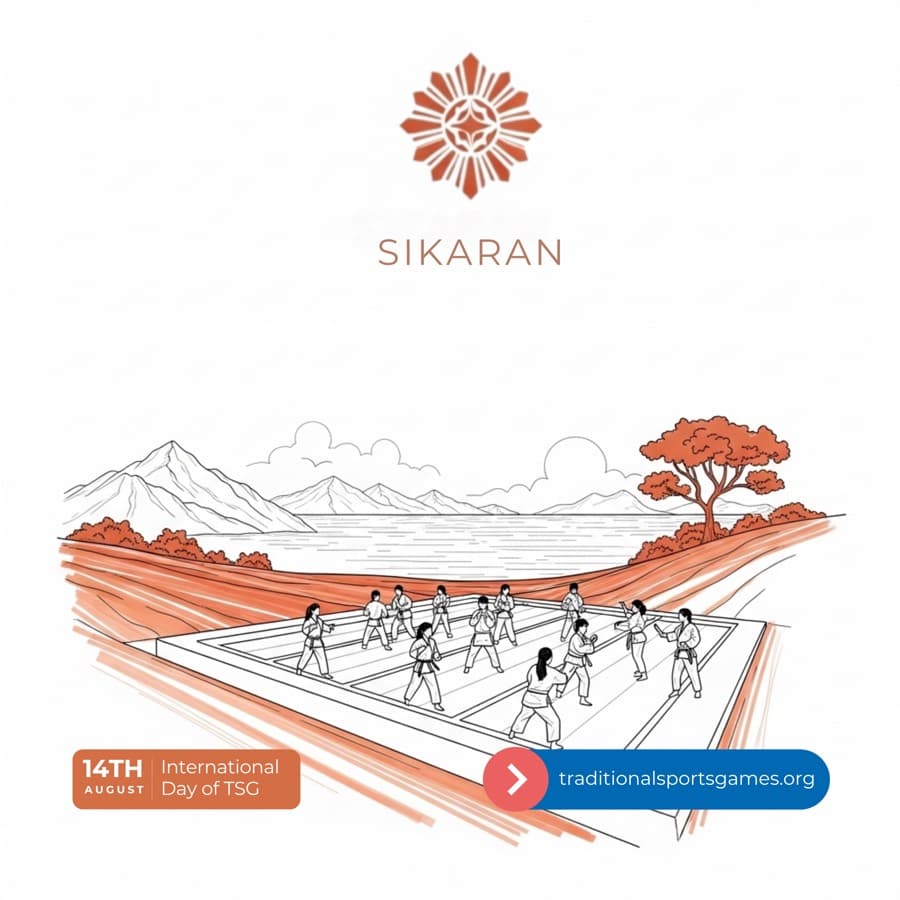
Sikaran: The Traditional Filipino Martial Art of Foot and Hand Combat Sikaran is a traditional Filipino martial art originating from the province of Rizal, Philippines. Known for its powerful foot techniques and distinctive style, Sikaran represents a vital element of the Philippines’ traditional sports and games (TSG). As part of the region’s indigenous knowledge and intangible heritage, Sikaran contributes to UNESCO’s mission of safeguarding cultural diversity, promoting inclusive education, and enabling intergenerational transmission of cultural practices. Historical Background
Originated among farmers in Baras, Rizal, centuries ago. Practiced informally in rice fields to build agility and defense skills. Over time, it evolved into a respected martial art symbolizing Filipino identity and resilience.
Gameplay Rules and Combat Techniques Sikaran’s unique features set it apart from other martial arts in Southeast Asia:
Primary focus: Foot strikes are the dominant technique, with hand strikes playing a supporting role. Main technique: The signature “Biakid” — a powerful spinning kick targeting the head. Rules: Points are earned based on clean, controlled strikes; safety and respect are prioritized. Modern practice: Combines traditional techniques with structured training for tournaments and exhibitions.
Cultural Significance and Social Practices
Often performed during local fiestas, symbolizing unity and pride. Emphasizes self-discipline, honor, and respect — core Filipino values. Passed down through generations, preserving cultural knowledge and identity. Celebrated as both martial discipline and performing art.
Strategic and Educational Benefits Sikaran offers more than combat — it is a gateway to holistic development and global heritage education:
SDG 4: Fosters inclusive education rooted in local knowledge and physical literacy. SDG 5: Promotes gender equality with rising participation of women in Sikaran training. SDG 10: Reduces inequality through rural and urban engagement in cultural sports. SDG 11: Supports sustainable communities by linking heritage with youth development. SDG 16: Encourages peaceful conflict resolution and values-based sportsmanship. SDG 17: Creates opportunities for global partnerships to preserve and promote Filipino heritage.
Youth Empowerment, Health, and Community Engagement
Improves physical fitness and mental discipline, supporting global health goals. Inspires youth through cultural pride and resilience-building programs. Strengthens community identity and civic responsibility through civil society engagement. Fosters a sense of belonging and social cohesion through shared training and mentorship.
Explore More Traditional Martial Arts Globally Sikaran joins a rich tapestry of traditional martial practices across the world. Discover more at the Traditional Sports and Games directory:
Bando – Myanmar Silambam – India Taekkyeon – Korea Angampora – Sri Lanka
Call to Action: Safeguard and Share Sikaran Sikaran is not just a martial art — it is a powerful expression of Filipino spirit and cultural identity. Help protect and promote this legacy by supporting traditional sports education and youth engagement. Get Involved Benefits of Joining Support ICTSG
About ICTSG: The International Council of Traditional Sports and Games (ICTSG) advocates for the global safeguarding of traditional games like Sikaran. Our work fosters unity through heritage. Learn more:
About Us History Contact
When a sport disappears, it is like a language no longer spoken - its stories, values, and lessons risk being lost forever. When we revive a game, we revive a culture.
Khalil Ahmed Khan - President, ICTSG