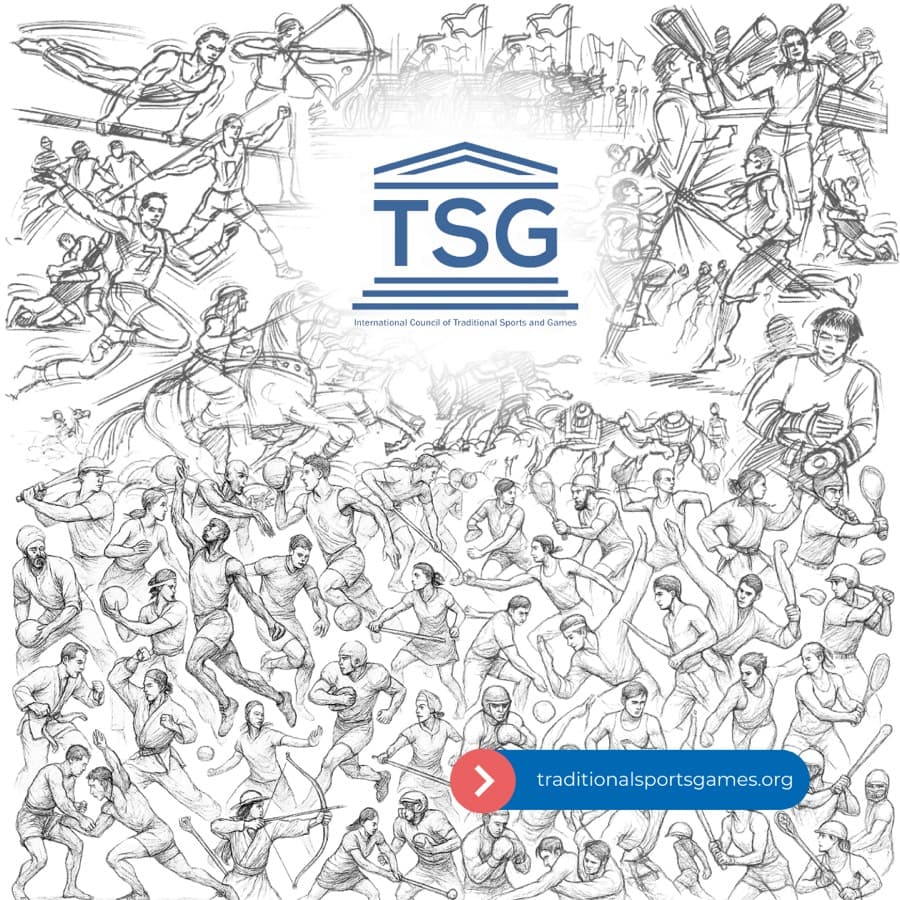
Reviving Endangered Traditional Sports and Games: A Global Cultural Responsibility Traditional Sports and Games (TSG) are a living expression of the world’s diverse cultural identities, embodying centuries of indigenous wisdom, communal values, and social harmony. Yet, under the growing pressure of globalization, urban migration, and the dominance of modern commercial sports, countless traditional games are vanishing. Their extinction would represent not only the loss of recreational practices, but the erasure of entire cultural legacies. The revival of endangered TSG is, therefore, not optional—it is an urgent global responsibility tied to the safeguarding of intangible cultural heritage, the promotion of social inclusion, and the pursuit of sustainable development. This document presents a strategic, multi-stakeholder roadmap to reinvigorate traditional sports through education, policy reform, community engagement, digital innovation, and international cooperation—anchored by the mandates of UNESCO and the International Council of Traditional Sports and Games (ICTSG). I. Traditional Sports and Games: Cultural Pillars Under Threat Traditional Sports and Games are more than physical activities—they are vessels of identity, history, and intergenerational connection. Their disappearance risks disconnecting future generations from ancestral knowledge, values of fair play, mutual respect, and the rituals that foster community cohesion. Reviving TSG is integral to: Preserving cultural diversity; Promoting intergenerational solidarity; Reinforcing national and regional identities; Contributing to inclusive education, physical well-being, and peace-building. The international community must therefore treat TSG as cultural assets of equal importance to monuments, languages, and rituals protected under international conventions. II. Strategic Interventions for Sustainable Revival To safeguard traditional games, a coordinated and strategic approach is essential—linking grassroots action with national policy and international frameworks. 1. Integration into Education SystemsEmbed TSG into school curricula, physical education, and extracurricular activities. By institutionalizing traditional games in education, we ensure systematic transmission of knowledge and values to new generations. 2. Digitization and Media EngagementDevelop digital archives, video tutorials, and social media campaigns that document and promote traditional games. A robust online presence can attract youth interest and preserve endangered knowledge in accessible formats. 3. Community-Driven Revival InitiativesSupport local festivals, tournaments, and storytelling events led by communities. Authentic revival must be people-centered, with cultural bearers and elders guiding knowledge-sharing and skill development. 4. Governmental and Institutional Policy SupportGovernments must formally recognize TSG as national heritage and integrate their protection into cultural, educational, and sports policies. Budget allocations, infrastructure development, and regulatory frameworks are indispensable for long-term preservation. 5. Inclusion in National and International Sporting EventsFeaturing TSG alongside mainstream sports in regional and international competitions increases visibility, fosters intercultural appreciation, and generates broader public engagement. 6. Economic Incentives and Cultural IndustriesTSG can become engines of local development through cultural tourism, traditional attire, game-based merchandise, and artisan crafts—ensuring sustainability through community-based economic models. III. Communities: The Custodians of Traditional Games Communities are the lifeblood of traditional sports. Their engagement is not supplementary—it is central. Elders and Practitioners: Must be empowered to serve as mentors and transmitters of traditional knowledge. Local Events: Competitions and neighborhood games reinforce community ties and ensure cultural continuity. Cultural Partnerships: Museums, heritage centers, and academic institutions should act as amplifiers for community-led initiatives. Everyday Integration: TSG should be normalized as part of daily life—not reserved only for festivals or ceremonial occasions. The role of community agency must be institutionally recognized and financially supported at every level. IV. UNESCO and ICTSG: Global Mechanisms for Cultural Safeguarding UNESCO has enshrined the protection of intangible cultural heritage through the 2003 Convention, placing traditional games under the umbrella of safeguarded human expression. In support of this mandate: The International Council of Traditional Sports and Games (ICTSG) has emerged as the central global platform, advancing policy, research, advocacy, and coordination for the promotion of TSG. Inventories and Databases are being compiled to document endangered sports and provide a repository for future generations. Global Advocacy efforts are influencing national policies and creating enabling environments for TSG to thrive. Intercultural Exchange through international sporting festivals promotes peace, unity, and appreciation of diverse traditions. UNESCO and ICTSG provide the legitimacy and international coordination needed to elevate TSG from obscurity to global recognition. V. The Enduring Power of Oral Traditions For millennia, traditional sports have been passed down through oral storytelling, songs, chants, and lived practice. These traditions must be preserved before they are lost: Digital Archiving of Oral Histories: Capturing the testimonies of elders and players through multimedia ensures that knowledge is not forgotten. Storytelling Through Modern Media: Podcasts, animations, and documentaries can bring oral traditions to digital life. Cultural Literacy Through Storytelling Events: Institutionalize storytelling sessions in schools, community halls, and museums as formal tools of heritage education. Preserving oral traditions is not a nostalgic exercise—it is a critical tool for living heritage transmission. VI. Indigenous Peoples: Protecting the Originators of Traditional Games Indigenous communities are often the originators and rightful custodians of traditional sports. Their involvement must be central, respectful, and rights-based. Protecting Intellectual and Cultural Property Rights: TSG must not be commercialized or exploited without prior informed consent and equitable benefit-sharing. Enabling Indigenous-Led Revival Projects: Allocate resources for indigenous groups to manage, protect, and promote their own sports in culturally appropriate ways. Respecting Sacred Practices: Many traditional games are spiritual in nature. Their revival must be approached with cultural sensitivity and ethical care. Creating Dialogues Between Cultures: Encourage exchanges between indigenous communities and formal sports institutions to foster mutual respect and inclusive collaboration. The preservation and revitalization of endangered Traditional Sports and Games are not the responsibilities of cultural ministries alone—they are shared obligations of governments, educators, youth leaders, cultural organizations, and international institutions. TSG are not relics of the past—they are living traditions that can empower youth, foster unity, and bridge cultural divides. The ICTSG, working in strategic alliance with UNESCO, stands ready to lead this global revival, guided by a vision of cultural dignity, equity, and sustainability. Let us act now—with urgency, respect, and collective will—to ensure that traditional sports not only survive but flourish for generations to come.
When a sport disappears, it is like a language no longer spoken - its stories, values, and lessons risk being lost forever. When we revive a game, we revive a culture.
Khalil Ahmed Khan - President, ICTSG