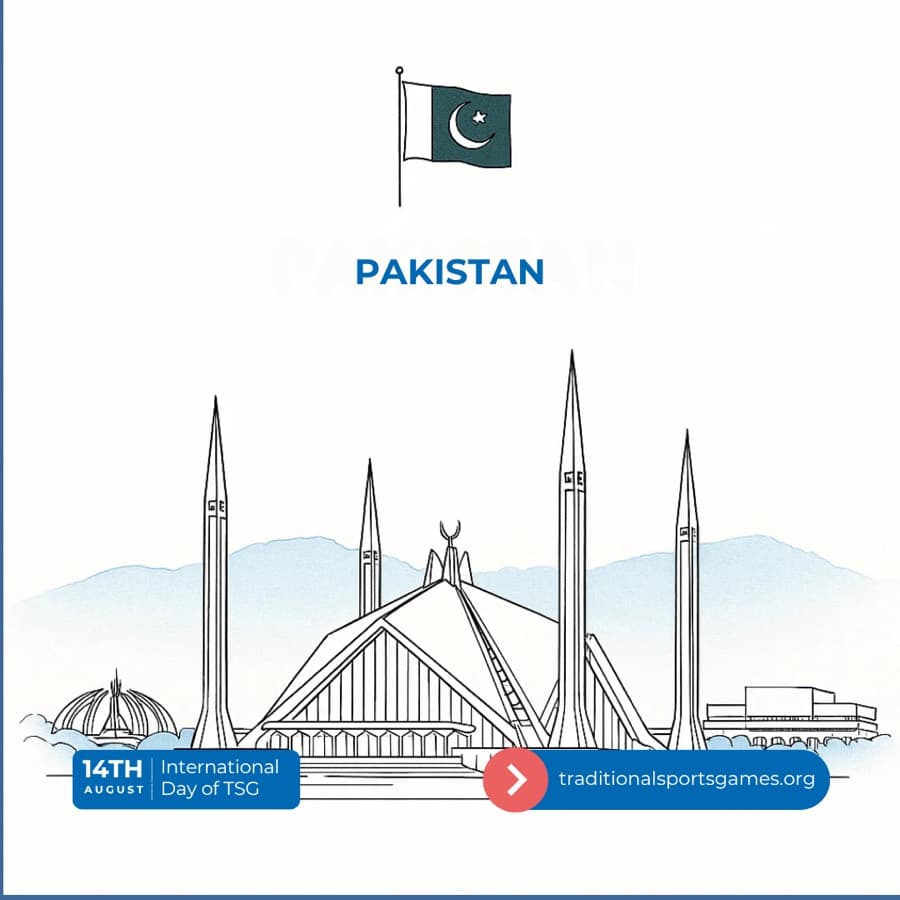
Pakistan – Founding Member of ICTSG Overview At the AAC and 4th Collective Consultation Meeting in Istanbul on 13–14 August 2018, Pakistan joined over 40 countries in establishing the International Council of Traditional Sports and Games (ICTSG). The delegation, headed by Federal Secretary of Education, GOP Mr.Arshad Mirza, Mr Abu Zafar Saddiq,Deputy Secretary- Cabinet Secretariat- GOP, along with Mr/Tariq Ali, Mr.Hamid Ali Tariq, officially attended the said meeting and signed the founding charter, demonstrating Pakistan’s commitment to preserving indigenous sports traditions. Delegation & Official Signing Pakistan’s delegation included:
Abu Zafar Saddiq – Deputy Secretary GOP Tariq Ali Hamid Ali Tariq Arshad Mirza- Federal Secretary Education Ministry
Abu Zafar Saddiq signed the foundational document on behalf of Pakistan, marking a pivotal moment on 13–14 August 2018 in Istanbul, Turkey. Geographic & Cultural Importance Pakistan’s diverse landscape—from the Himalayan north to the Indus plains and coastal south—supports a rich tapestry of traditional sports. Deep-rooted cultural heritage, reflected in regional martial arts and communal games, positions the country as a key contributor to global cultural diversity and heritage sports. Popular Traditional & Indigenous Sports
Kushti (Pehlwani): Traditional mud-wrestling practiced across Punjab and Sindh :contentReference[oaicite:3]{index=3}. Malakhra: Sindh-style wrestling involving strength and balance :contentReference[oaicite:4]{index=4}. Kabaddi: Contact sport famous in rural Punjab, with international presence :contentReference[oaicite:5]{index=5}. Mukha: Archery-based ball-sport popular in Khyber regions :contentReference[oaicite:6]{index=6}. Tent pegging: Equestrian sport showcasing cavalry skills :contentReference[oaicite:7]{index=7}. Yak Racing: A Himalayan tradition in northern areas :contentReference[oaicite:8]{index=8}.
Pakistan’s Role in ICTSG Formation By signing the founding charter, Pakistan became a key founding nation within ICTSG, emphasizing its resolve to safeguard intangible cultural heritage. The involvement of high-level government and sports officials reinforced national commitment to heritage preservation. For full details, refer to the formation history of ICTSG. Weather & Climate Conditions Pakistan experiences climate extremes—from sub-zero winters in the north to scorching summers exceeding 45 °C in Punjab and interior Sindh :contentReference[oaicite:9]{index=9}. Monsoon rains between July and September support agricultural and rural life, enabling seasonal sports and festivals. Climate variability impacts traditional game cycles, especially in northern tribal and desert regions. UN Sustainable Development Goals (SDGs) Alignment Pakistan’s inclusion in ICTSG aligns with key UN SDGs:
SDG 3 – Good Health and Well‑Being: Traditional sports like kushti promote physical fitness and community wellness. SDG 4 – Quality Education: Indigenous games taught in cultural and academic settings. SDG 11 – Sustainable Cities and Communities: Preservation of heritage games strengthens community identity. SDG 17 – Partnerships: Pakistan’s collaboration within ICTSG showcases global cultural cooperation.
Historical Legacy & Future Vision Centuries of martial traditions—from Gandhara-era wrestling to Sindh’s akhara culture—form Pakistan’s living sports identity. ICTSG membership now enables documentation, education, and community empowerment programs focused on youth engagement. With strategic partnerships, Pakistan aims to revitalize these cultural practices and ensure their continuity. Call to Action Support Pakistan’s traditional sports heritage. Engage, participate, and help ensure that kushti, kabaddi, and regional games continue to thrive for generations. Get Involved Benefits of Joining Support ICTSG
About ICTSG: The International Council of Traditional Sports and Games (ICTSG) is dedicated to preserving, promoting, and revitalizing traditional sports and games as powerful tools for education, peace, and sustainable development.
About Us History Contact
When a sport disappears, it is like a language no longer spoken - its stories, values, and lessons risk being lost forever. When we revive a game, we revive a culture.
Khalil Ahmed Khan - President, ICTSG