Latin America's traditional sports and games are among the most diverse and culturally rich in the world — a living legacy of pre-Columbian indigenous traditions, West African sporting heritage brought through the forced migrations of the slave trade, and European folk games transformed by centuries of creolisation and cultural exchange.
Capoeira – Brazil's Afro-Brazilian Martial Art
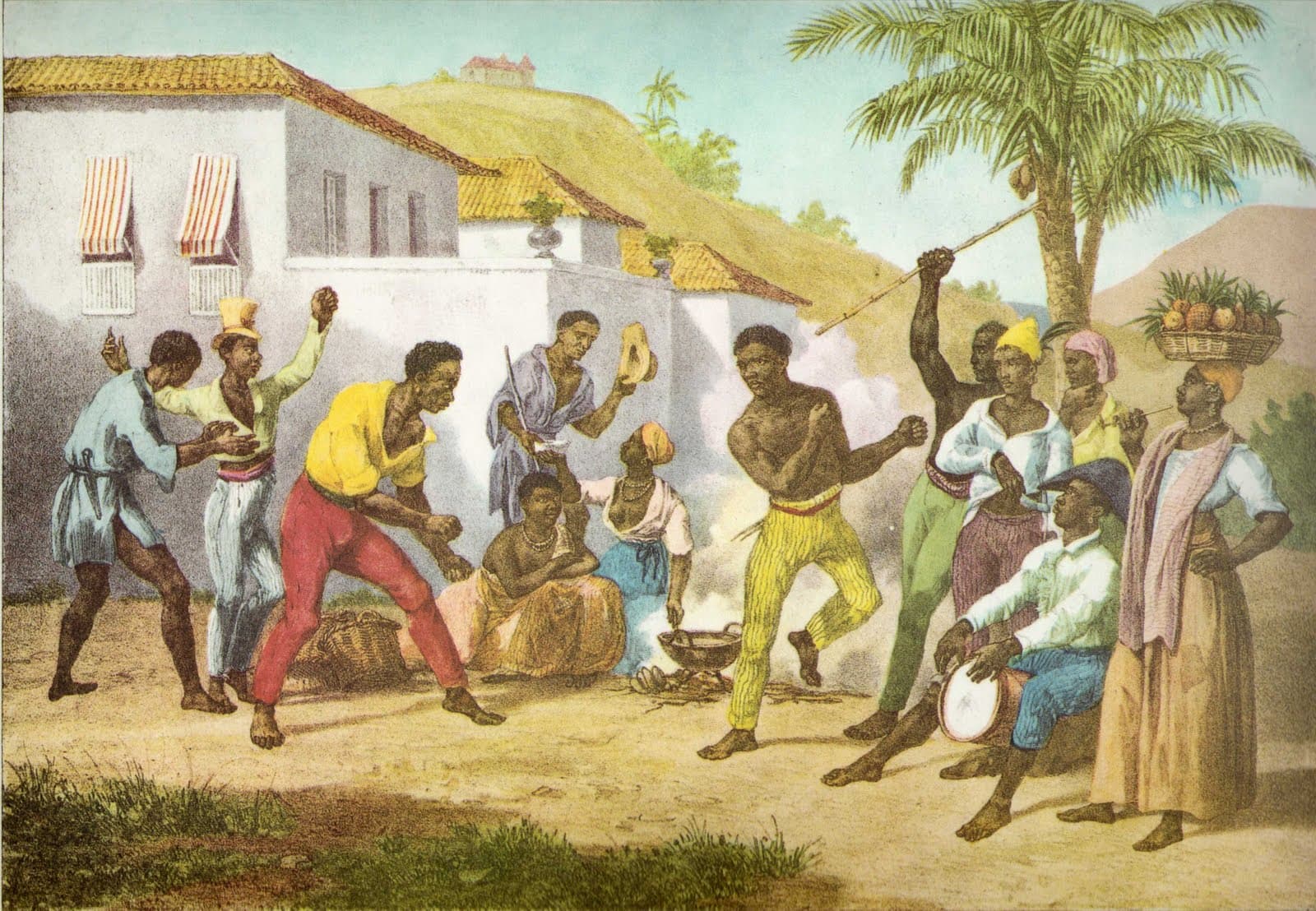
Capoeira is simultaneously a martial art, a dance, and a game — a form of combat disguised as dance that enslaved Africans in colonial Brazil developed to preserve their fighting traditions under conditions of oppression. Inscribed on UNESCO's Representative List of Intangible Cultural Heritage in 2014, capoeira is today practised in over 150 countries, making it one of the world's most successfully globalised traditional sports. Its characteristic circle (the roda), its rhythmic music (berimbau, atabaque, pandeiro), and its fluid acrobatic movements have made it a global ambassador for Brazilian cultural heritage.
Pato – Argentina's National Sport
Argentina's national sport combines horsemanship with ball game dynamics in a thundering equestrian contest played on horseback. Rooted in gaucho culture of the pampas, pato is both a sporting spectacle and a cultural ritual marking Argentina's identity as a land of horsemen, vast grasslands, and frontier traditions.
Juego del Palo – Canary Islands Stick Fighting
Juego del Palo is the traditional staff-fighting martial art of the Canary Islands (Spain), with documented practice stretching back to the indigenous Guanche people who inhabited the islands before Spanish colonisation. Practitioners engage in choreographed combat with long wooden staffs, and the art is transmitted through family lineages and community schools that serve as cultural anchors for Canarian identity.
Palo Encebado – Dominican and Cuban Tradition
Palo encebado — the greased pole climb — is a folk competition celebrated at festivals across the Dominican Republic, Cuba, Puerto Rico, and across Latin America. A tall wooden pole is coated in grease and competitors attempt to climb to the top to claim prizes, combining physical challenge with communal celebration.
Indigenous Traditional Games
Before European contact, hundreds of indigenous nations across Latin America practised distinctive ball games, running competitions, wrestling styles, and precision sports. ICTSG works with indigenous communities across the Amazon basin, the Andes, and Mesoamerica to document and support the revival of these disciplines as living cultural heritage.
ICTSG and Latin America
ICTSG's regional presence in Latin America is anchored by Regional Coordinator Soraia Chung Saura of the University of São Paulo, who combines academic expertise in traditional sports with on-the-ground advocacy for the recognition of Latin American TSG at national and international level.
When a sport disappears, it is like a language no longer spoken - its stories, values, and lessons risk being lost forever. When we revive a game, we revive a culture.
Khalil Ahmed Khan - President, ICTSG