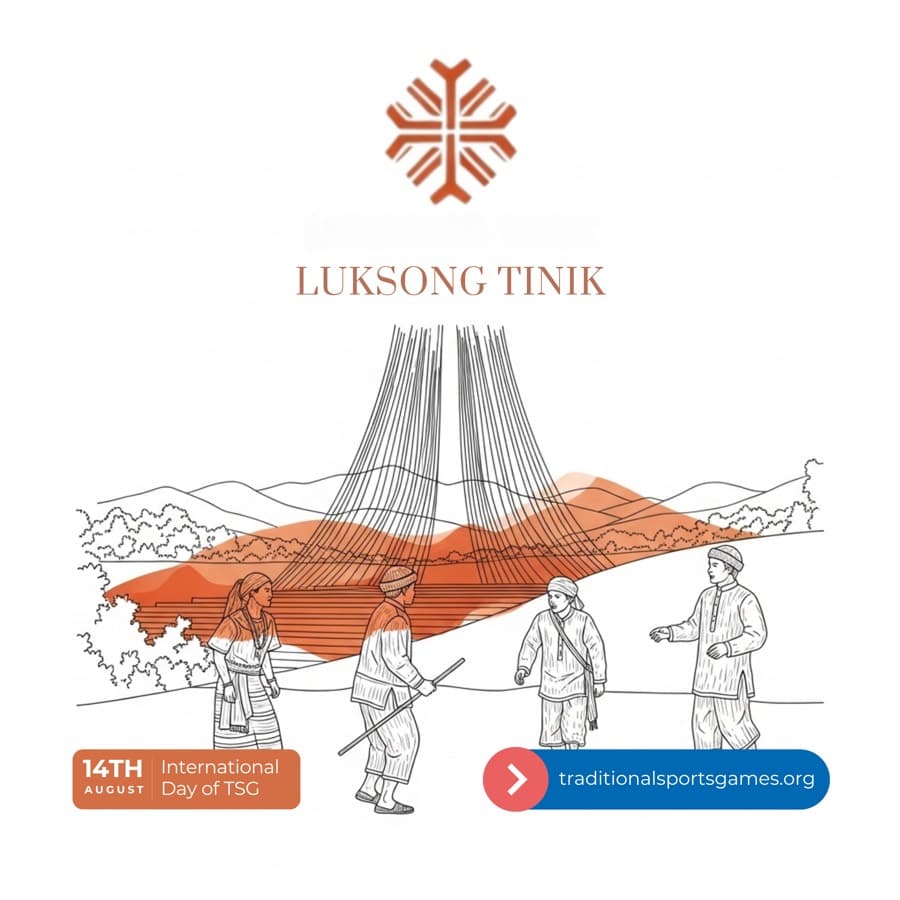
Luksong Tinik: A Filipino Traditional Maneuvering Game Strengthening Heritage and Intergenerational Bonds Luksong Tinik (translated as "Jumping over Thorns") is a widely loved traditional sport and game (TSG) from the Philippines. Symbolizing agility, cooperation, and strategic timing, it is a maneuvering game that thrives in schoolyards and community spaces, fostering intangible cultural heritage through play. Historical Background Rooted in Filipino oral traditions and childhood memories, Luksong Tinik has been passed down through intergenerational transmission. This game is especially prevalent in rural communities and represents a legacy of indigenous knowledge where play is used to teach physical, mental, and social agility. Gameplay Rules
Two players serve as the “thorns” by sitting on the ground and placing their feet and hands on top of each other to form a growing obstacle. The other players must jump over the "thorns" without touching or disturbing them. The height of the thorn formation increases with each round, testing players' jumping ability and coordination. Touching the "thorns" results in elimination or penalty, and the next player continues.
Cultural Significance and Social Practices More than a game, Luksong Tinik embodies Filipino social practices, promoting teamwork, respect, and communal play. It encourages inclusive education as children of all backgrounds come together to participate and learn. The game acts as a form of performing arts, with movement and rhythm at its core. Strategic Aspects and Physical Benefits
Improves leg strength, coordination, and agility. Enhances timing, confidence, and spatial awareness. Teaches turn-taking, balance, and respectful competition. Supports youth empowerment and active lifestyles without the need for equipment or infrastructure.
Educational Value and Community Participation Luksong Tinik contributes to inclusive, lifelong learning through experiential education. It fosters community participation as families, elders, and youth unite to preserve cultural identity. It also serves as a platform for civil society engagement and grassroots safeguarding of UNESCO-listed intangible heritage. Cross-Cultural Parallels Similar traditional games from other regions emphasize movement and cultural continuity:
Luksong Baka (Philippines – similar jumping game) Cat and Mouse (Global – maneuvering with evasion) Bagh-Chal (Nepal – strategic movement with barriers)
UNESCO and SDG Alignment
SDG 4: Promotes quality education through traditional knowledge-sharing methods. SDG 5: Encourages equal participation of girls and boys in active play. SDG 10: Fosters inclusion across cultural, economic, and regional boundaries. SDG 11: Contributes to sustainable, resilient communities through cultural activities. SDG 16: Builds peaceful, inclusive societies through cooperation and respect. SDG 17: Encourages local and global partnerships for heritage safeguarding.
Call to Action Luksong Tinik is more than a game — it is a dynamic cultural tool for connection, empowerment, and heritage preservation. Let us unite in protecting this beautiful expression of tradition and pass it on to the next generation. Get Involved Benefits of Joining Support ICTSG
About ICTSG: ICTSG promotes the safeguarding and celebration of traditional sports and games worldwide. We support education, inclusivity, and global collaboration to protect and revive intangible cultural heritage for future generations. About Us | History | Contact
When a sport disappears, it is like a language no longer spoken - its stories, values, and lessons risk being lost forever. When we revive a game, we revive a culture.
Khalil Ahmed Khan - President, ICTSG