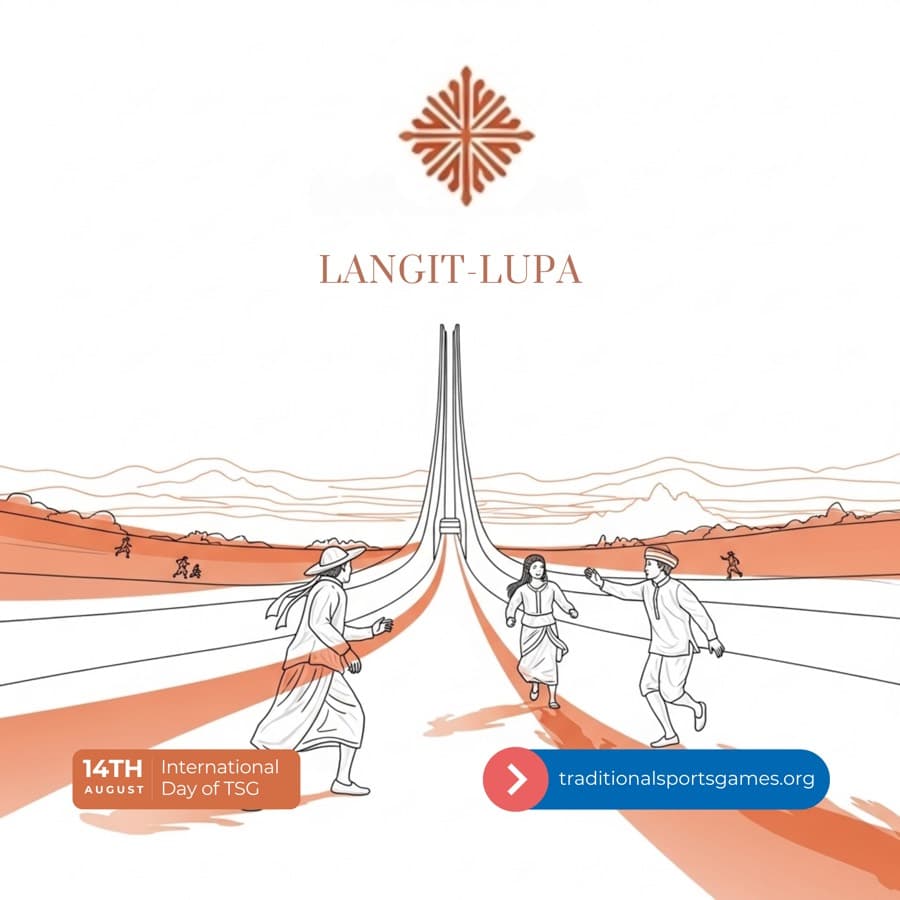
Langit-Lupa: A Traditional Filipino Tag Game Celebrating Culture and Connection Langit-Lupa, meaning "Heaven and Earth," is one of the most beloved traditional sports and games (TSG) in the Philippines. Played widely by Filipino children, it is a tag-based game that fosters creativity, agility, and community bonding—embodying the spirit of intangible cultural heritage that UNESCO actively seeks to safeguard. Historical Background and Cultural Roots This game has deep roots in Filipino communal life and oral traditions. Passed down through generations, it exemplifies intergenerational transmission of indigenous knowledge and serves as a living expression of Filipino identity and social interaction. Gameplay and Rules Langit-Lupa is simple yet energetic. It’s usually played outdoors, making use of elevated surfaces such as benches, rocks, or platforms as “heaven” (langit), while the ground is “earth” (lupa).
One player is "it" (tagger). Other players must move around and avoid being tagged while standing on the "lupa." Players are safe when on "langit" (elevated objects). If tagged while on the ground, the player becomes the next tagger.
Strategic Elements and Skills Langit-Lupa encourages strategic thinking and agility. Children must calculate timing, space, and positioning while actively engaging their motor and cognitive skills. It promotes healthy competition and quick reflexes in an enjoyable setting. Educational and Social Value This game plays a vital role in:
Youth empowerment through active participation. Fostering inclusive education by welcoming children of all backgrounds and abilities. Enhancing social practices such as teamwork, fair play, and cooperation. Strengthening civil society engagement by reinforcing community-based learning.
Community and Cultural Impact Langit-Lupa contributes to sustainable development by using no equipment or material resources, promoting outdoor activity, and preserving cultural memory. It supports the following UNESCO Sustainable Development Goals (SDGs):
SDG 4: Quality Education SDG 5: Gender Equality SDG 10: Reduced Inequalities SDG 11: Sustainable Cities and Communities SDG 16: Peace, Justice, and Strong Institutions SDG 17: Partnerships for the Goals
Global Relevance and Comparative Games Games like Langdi (India) and Agawan Base (Philippines) share similar features of chase, safety zones, and teamwork—showing how traditional games connect cultures and people globally. Safeguarding Our Playful Heritage Preserving games like Langit-Lupa is crucial for cultural continuity. It highlights the importance of safeguarding indigenous heritage and promoting cultural diversity through playful learning and community inclusion. Get Involved Benefits of Joining Support ICTSG
About ICTSG The International Council of Traditional Sports and Games (ICTSG) is dedicated to promoting, preserving, and sharing the value of traditional games like Langit-Lupa worldwide. Through strategic partnerships, inclusive education, and cultural advocacy, ICTSG strengthens community roots and global understanding. About Us History Contact
When a sport disappears, it is like a language no longer spoken - its stories, values, and lessons risk being lost forever. When we revive a game, we revive a culture.
Khalil Ahmed Khan - President, ICTSG