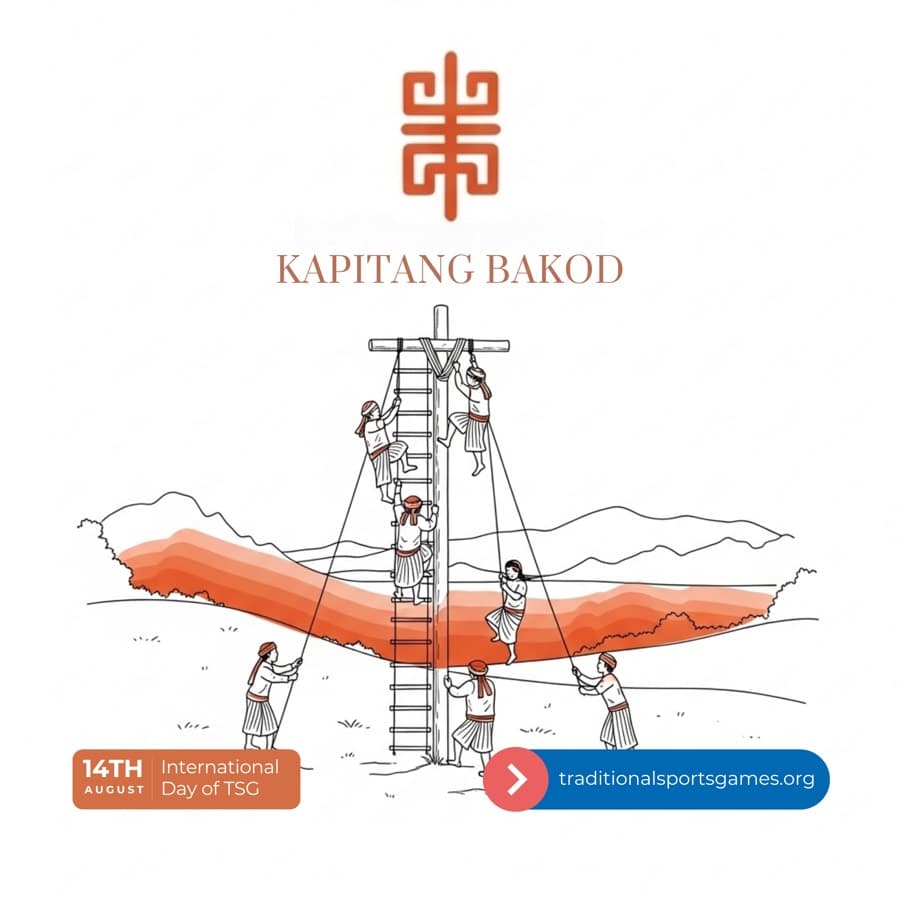
Kapitang Bakod: The Filipino Tag Game of Safety and Strategy Kapitang Bakod—translated as “holding the fence”—is a traditional Filipino tag game deeply rooted in indigenous play culture. Widely played in rural and urban settings alike, this game embodies intangible heritage, intergenerational learning, and inclusive education. It is a prime example of how traditional sports and games (TSG) contribute to youth empowerment, social practices, and community well-being. Historical and Cultural Background
Originates from community-based Filipino play spaces such as backyards, alleys, or school grounds. Passed down orally, contributing to the preservation of indigenous knowledge systems. Emphasizes safety, agility, and communal boundaries in playful yet meaningful ways. Promotes cultural diversity through its adaptable gameplay and inclusive nature.
Gameplay and Rules
Players: Minimum of 3; one is chosen as “It.” Objective: Avoid being tagged by staying in motion or by holding onto a fence or designated “safe” object. Tagging: Only those not touching the fence can be tagged. Once tagged, that player becomes the new “It.” Environment: Played near fences, trees, or walls—emphasizing creative use of surroundings.
Cultural Significance
Encourages civil society engagement through inclusive neighborhood play. Connects players to local geography and social environments, reinforcing respect for shared community spaces. Fosters social practices that teach fairness, strategy, and respect for rules. Strengthens cultural identity among Filipino youth and reinforces intergenerational transmission.
Strategic Aspects and Educational Benefits
Improves decision-making by teaching when to move and when to stay safe. Promotes gross motor development, balance, and reflexes. Teaches respect for rules and boundaries in a playful, engaging manner. Used in inclusive education to illustrate cultural awareness, physical literacy, and group dynamics.
Global Relevance and Similar Games
Langdi – India Ice and Fire – Mongolia Patintero – Philippines Chindro – Pakistan
Support for UNESCO Sustainable Development Goals
SDG 4 – Quality Education: Empowers students through experiential, culturally rooted physical education. SDG 5 – Gender Equality: Equally accessible for boys and girls of all ages. SDG 10 – Reduced Inequalities: Requires no equipment, making it universally playable. SDG 11 – Sustainable Cities and Communities: Promotes the use of communal play areas and public spaces. SDG 16 – Peace, Justice and Strong Institutions: Builds fair play, rule-following, and mutual respect. SDG 17 – Partnerships: Encourages local and international cooperation for the promotion of traditional sports.
Community Impact
Strengthens community participation and outdoor activity among children and families. Supports global health by promoting physical movement in safe, familiar spaces. Fosters youth empowerment through cultural pride and engagement in heritage games. Acts as a tool for cultural preservation and revitalization in both urban and rural settings.
Call to Action: Preserve and Promote Kapitang Bakod Let us celebrate and protect Kapitang Bakod—a treasure of Filipino play culture. By teaching it in schools, including it in festivals, and promoting it across regions, we can preserve this intangible cultural heritage for future generations and strengthen community identity and well-being. Get Involved Benefits of Joining Support ICTSG
About ICTSG: The International Council of Traditional Sports and Games (ICTSG) protects and promotes traditional play like Kapitang Bakod to inspire cultural pride, education, and international solidarity. Learn more about our mission:
About Us History Contact
When a sport disappears, it is like a language no longer spoken - its stories, values, and lessons risk being lost forever. When we revive a game, we revive a culture.
Khalil Ahmed Khan - President, ICTSG