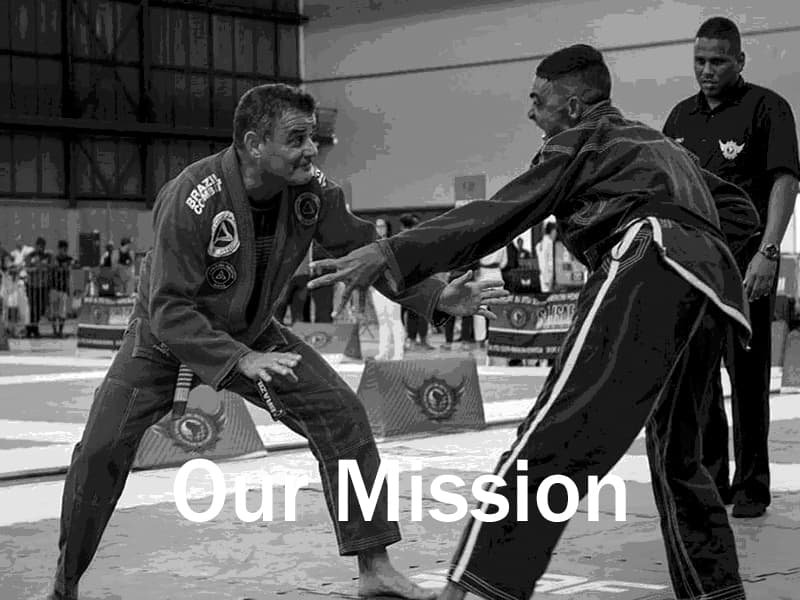
The International Council of Traditional Sports and Games and the Sport Jiu-Jitsu International Federation (SJJIF) have formalised a partnership that connects one of the world's most globally practised martial arts to the broader traditional sports and games movement, recognising jiu-jitsu's ancient roots and its ongoing role as a vehicle for cultural heritage transmission.
Jiu-Jitsu's Traditional Heritage
Jiu-Jitsu — meaning "gentle art" in Japanese — traces its origins to ancient Japanese combat systems developed for unarmed combat on the battlefield. The art's foundational techniques, developed over centuries within samurai military culture, emphasise using an opponent's energy and momentum against them through throws, joint locks, and ground control.
The Brazilian variant — Brazilian Jiu-Jitsu (BJJ) — developed through the transmission of Japanese judo and jiu-jitsu techniques to Brazil in the early 20th century, where they were adapted by the Gracie family and evolved into the dominant ground-fighting system of modern mixed martial arts. This cross-cultural journey — from Japanese battlefields to Brazilian academies to global competition — exemplifies the complex cultural heritage pathways of traditional martial arts.
The ICTSG-SJJIF Partnership
The partnership between ICTSG and SJJIF is built on shared recognition that jiu-jitsu's value extends far beyond competitive sport: the art is a vehicle for discipline, respect, community, and values transmission that connects its millions of global practitioners to an ancient tradition of human physical culture.
ICTSG's documentation framework — particularly the SRETS Elevation Framework — provides SJJIF with a pathway to formalise the recognition of jiu-jitsu's traditional heritage dimensions within international cultural heritage frameworks, complementing the sport's existing competitive governing structures.
Community and Cultural Impact
Jiu-jitsu academies in cities worldwide function as community institutions analogous to the dojos and wrestling schools that have been central to traditional cultures across Asia and the Pacific for centuries. The practice of jiu-jitsu instils values of humility, persistence, respect for elders and teachers, and acceptance of defeat as a teacher — values that ICTSG recognises as central to the social function of traditional sports globally.
ICTSG President Khalil Ahmed Khan, himself a practitioner of traditional wrestling disciplines, welcomed the partnership: "Jiu-jitsu is a living river with ancient sources. Through this partnership, we acknowledge that heritage and affirm our shared commitment to preserving the soul of martial arts even as their forms evolve."
When a sport disappears, it is like a language no longer spoken - its stories, values, and lessons risk being lost forever. When we revive a game, we revive a culture.
Khalil Ahmed Khan - President, ICTSG