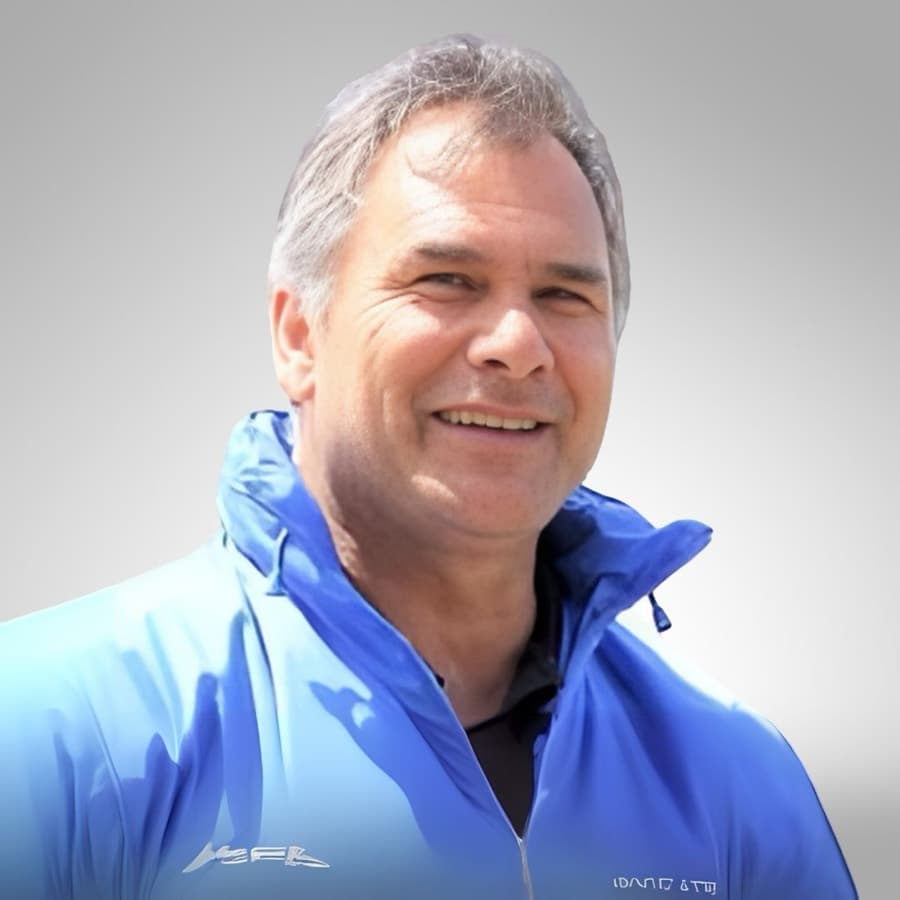
Harko Brown- Official Coordinator -PacificThe Keeper of WhakapapaBeneath the crimson glow of a Pacific sunrise, Harko H Brown stood knee-deep in the Waikato River, a hand-carved pouwhenua (traditional Māori weapon) balanced in his palms. Around him, a dozen rangatahi (youths) from Auckland’s urban sprawl watched, their sneakers sinking into riverbank mud as he demonstrated mau rākau—the ancient art of Māori weaponry. “This isn’t just wood,” he said, his voice a low rumble like distant haka drums. “It’s your tīpuna (ancestors) saying, ‘Stand tall.’”For Harko, every game was a thread in the sacred cloak of whakapapa (genealogy). As ICTSG’s Pacific Coordinator, he’d spent 25 years stitching fading traditions back into Aotearoa’s cultural fabric. His office at the University of Waikato told the story: shelves bowed under volumes he’d authored—Games of the Long Cloud, Haka Beyond War—alongside ceremonial poi balls and a framed photo of him leading Aotearoa’s delegation at the 2022 World Indigenous Games, where Māori ki-o-rahi teams outmaneuvered Brazilian capoeiristas under Amazonian skies.His crusade began in the 90s, as a young lecturer dismayed by students who could name every英超 footballer but none of their own ancestral games. “We were losing our play DNA,” he told the NZ Herald in 2010, after reviving tītītorea (stick-catching drills) in rural schools. Soon, his “Māori Playground” initiative spread like wildfire—teenagers tossing woven kī balls in Wellington alleys, elders teaching wero (challenge rituals) in Rotorua marae.But Harko’s masterstroke came in 2019, when he convinced the NZ government to host the first Te Ao Māori Sports Festival. For three days, 10,000 participants flooded Taranaki’s coastal plains: Cook Islanders sparring in Samoan tau’aluga dances, Aboriginal athletes hurling wiri spears alongside Māori warriors. The climax? A dusk haka under Mt. Taranaki’s shadow, where Harko joined 500 voices in a chant so thunderous, geologists later recorded tremors. “That,” he’d say grinning, “was our ancestors applauding.”Yet his true magic unfolded in quieter acts. In a cramped Christchurch classroom, he transformed desks into a papa tākaro (game board), teaching calculus through mū tōrere (Māori strategy games). During lockdowns, his viral TikTok series “Whānau Play” had families crafting pūrerehua (bullroarers) from scrap wood. “Games aren’t history,” he insisted to UNESCO delegates in 2021. “They’re how history breathes.”Off-duty, Harko was a paradox. The man who debated sports anthropology at Oxford could spend hours gutting snapper with his Uncle Tama on the Hokianga Harbour, swapping stories of tuna (eel) hunting tricks. His secret vice? Collecting vintage rugby jerseys—though he’d argue the 1987 All Blacks’ haka had more soul than any World Cup try.One misty morning, as students gathered for his famed “Games as Whakapapa” lecture, a visiting professor asked why he bothered teaching kī-o-rahi in the age of esports. Harko simply pointed westward, where toddlers scrambled over a foam pou (post), their laughter echoing across the marae. “See them?” he murmured. “They’re not playing a game. They’re meeting someone.”In Harko’s world, every sport was a bridge—between earth and sky, past and present, the living and the long-departed. And he? Just a humble ferryman, paddling the waka of memory into tomorrow’s tide.Social Media:Linkedin:Instagram: Facebook
When a sport disappears, it is like a language no longer spoken - its stories, values, and lessons risk being lost forever. When we revive a game, we revive a culture.
Khalil Ahmed Khan - President, ICTSG