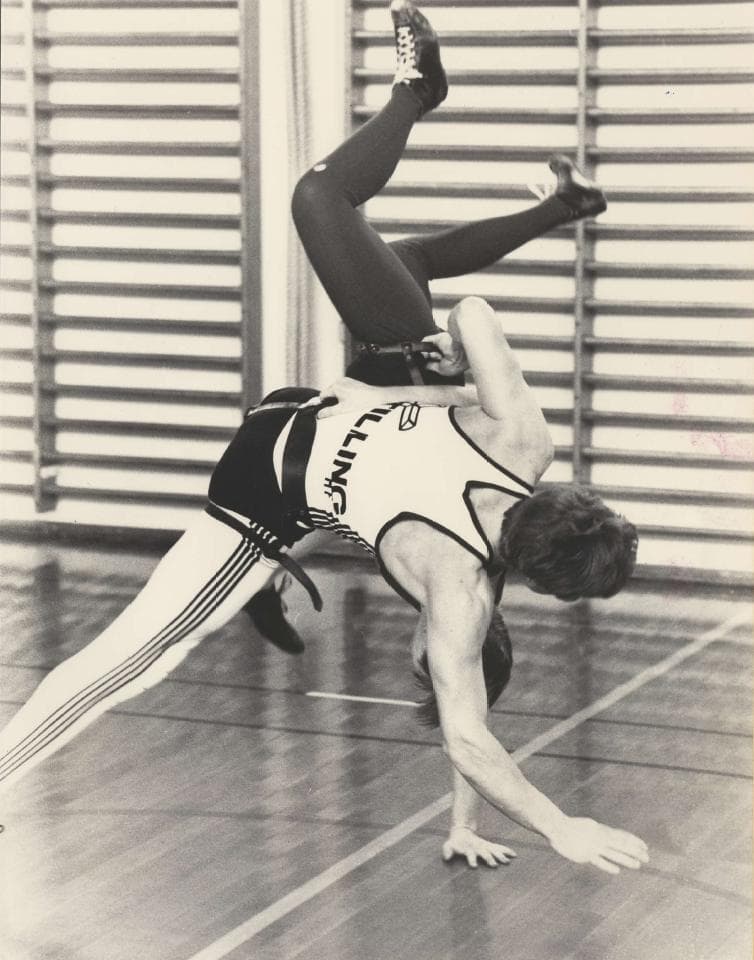
Glíma is Iceland's national sport — a wrestling tradition of Viking origin that has been practised continuously in Iceland for over a thousand years. It stands as one of the world's most significant examples of a traditional sport maintaining unbroken community practice from ancient to modern times, and offers important lessons for the global TSG movement.
Viking Origins
The sport's origins are documented in the medieval Icelandic sagas, which describe glima as an essential skill for warriors and a recreational pastime at Viking gatherings. The name glíma derives from the Old Norse word for glimpse or gleam — a reference to the speed and flash of movement characteristic of skilled practitioners.
Viking settlers brought glima to Iceland from Norway in the 9th century, and the sport evolved across the subsequent centuries into the distinctive form practised today. While mainland Scandinavian wrestling traditions evolved in different directions, Iceland's geographic isolation preserved glima's distinctive character.
Forms of Glíma
The most common and celebrated form — trouser-grip glima — requires competitors to grip their opponent's waistband and attempt to throw them to the ground. Critically, practitioners must remain upright throughout and may not use strength alone to overcome an opponent: technique, balance, and tactical intelligence are decisive. This emphasis on skill over brute force is considered one of glima's most culturally significant characteristics.
Other forms include hryggspenna (backhold), which resembles Scottish highland wrestling, and lausatök (loose grip), which allows for greater freedom of movement and is closer to freestyle wrestling.
ICTSG's Nordic Chapter
Finn Berggren, ICTSG's Official Coordinator for the Nordic region and head of Gerlev Academy in Denmark — one of Europe's leading institutions for traditional sports education — has championed glima's international profile within the ICTSG network since the organisation's founding. Berggren was present at the 1st UNESCO Collective Consultation on TSG in Paris in 2006, placing him at the heart of the modern global TSG movement.
ICTSG supports glima through documentation projects, international demonstration events, and advocacy for UNESCO intangible cultural heritage recognition — a process that mirrors successful inscriptions for other European wrestling traditions like chidaoba (Georgia) and yağlı güreş (Turkey).
A Model for TSG Revival
Glima's survival offers hope and guidance for traditional sports communities worldwide: the sport was maintained not by governmental mandate but by community commitment, family transmission, and the institutional support of the Glíma Society of Iceland, founded in 1906. ICTSG sees in glima a model for how traditional sports can survive modernisation without losing their cultural integrity.
When a sport disappears, it is like a language no longer spoken - its stories, values, and lessons risk being lost forever. When we revive a game, we revive a culture.
Khalil Ahmed Khan - President, ICTSG