Asia is home to some of the world's most celebrated, ancient, and diverse traditional sports and games. From the steppes of Mongolia to the rice paddies of Southeast Asia, from the mountains of Central Asia to the archipelagos of the Pacific, Asian traditional sports reflect the extraordinary cultural diversity of the world's largest continent.
Naadam -- Mongolia
Mongolia's Naadam festival is Asia's most internationally recognized traditional sports event. Held annually July 11-13, Naadam features three traditional sports: Mongolian wrestling (Bokh), horse racing, and archery.
Mongolian Bokh has no weight categories or time limits -- the first wrestler to touch the ground loses. Winners perform the traditional "eagle dance." Mongolian horse racing uses children aged 5-12 as jockeys riding 15-30 kilometers across open steppe. UNESCO inscribed Naadam on its ICH list in 2010.
Sumo -- Japan
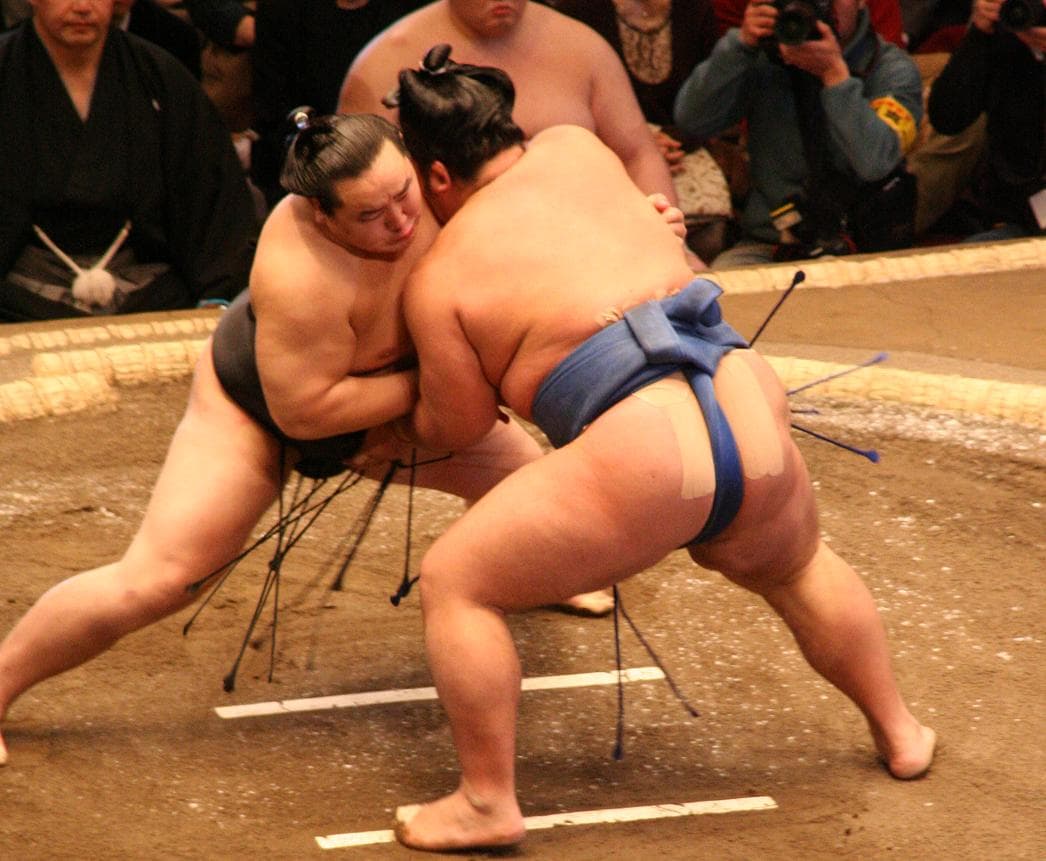
Japanese Sumo combines a distinctive wrestling technique with elaborate Shinto ritual and ceremony. Two wrestlers attempt to force each other out of a circular ring or to touch the ground. Sumo's ritualism -- stomping, salt throwing, pre-match ceremony -- reflects its origins as a ritual to entertain the gods. Professional Sumo has six major annual tournaments; amateur Sumo continues at festivals and shrines throughout Japan.
Kabaddi -- South Asia
South Asia's most internationally recognized traditional sport, Kabaddi combines wrestling, sprinting, breath control, and tactical thinking. India has won every World Cup since international organization began. The Pro Kabaddi League brings the sport to massive television audiences.
Sepak Takraw -- Southeast Asia
Southeast Asia's most spectacular traditional sport uses only feet, knees, chest, and head to keep a rattan ball in play over a net. Its acrobatic bicycle kicks and overhead smashes require extraordinary flexibility. Most popular in Thailand, Malaysia, and Indonesia, Sepak Takraw is played at the Asian Games.
Pencak Silat -- Indonesia and Malaysia
The traditional martial art of Indonesia and Malaysia, encompassing hundreds of regional styles, received UNESCO ICH recognition in 2019. Each regional style carries specific music, costume, ceremony, and philosophical framework reflecting its home community.
Ssireum -- Korea
Korea's traditional wrestling style, practiced at festivals for centuries. Two wrestlers grasp each other's cloth belt and attempt to throw the opponent to the ground. Ssireum has roots going back to at least the Goguryeo Kingdom and is particularly celebrated at Chuseok (Korean harvest festival).
Traditional Archery -- Pan-Asian Heritage
From Mongolian horseback archery to Korean Gungdo to Japanese Kyudo -- each carrying distinct philosophical traditions alongside their athletic dimensions. Japanese Kyudo is explicitly conceived as a spiritual discipline in which the perfection of archery technique is simultaneously the perfection of character.
ICTSG works with communities, governments, and international organizations across Asia to support the documentation, preservation, and international promotion of Asia's extraordinary traditional sporting heritage.
When a sport disappears, it is like a language no longer spoken - its stories, values, and lessons risk being lost forever. When we revive a game, we revive a culture.
Khalil Ahmed Khan - President, ICTSG