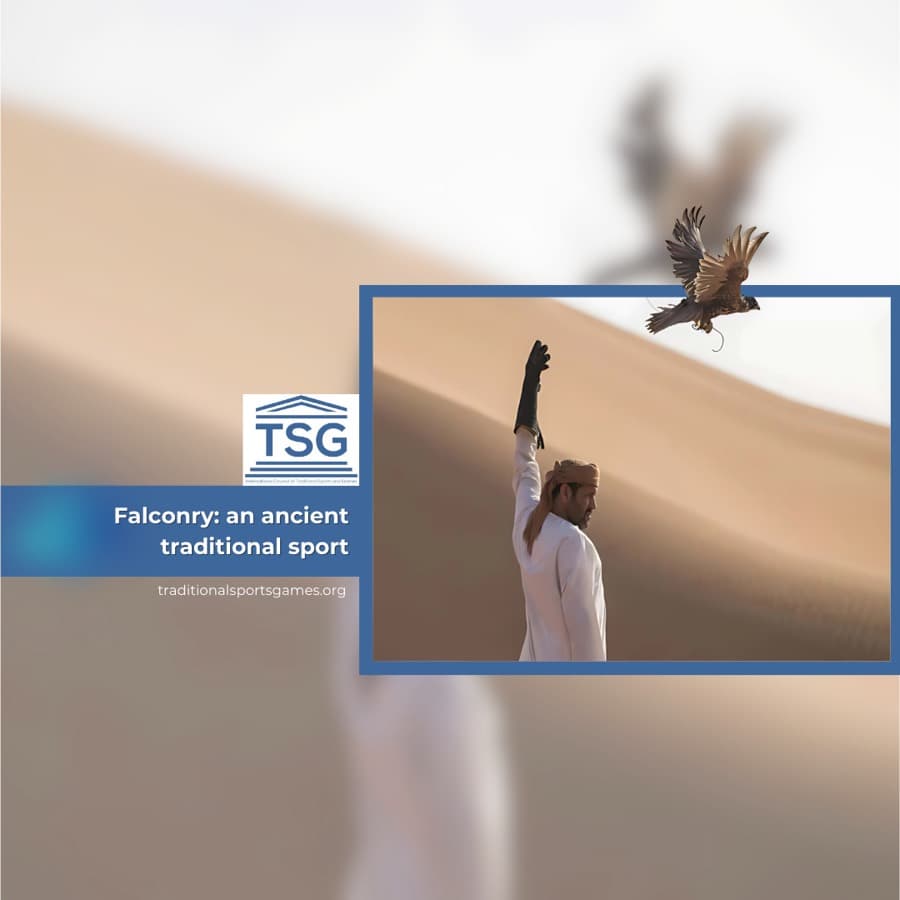
Falconry, or hawking, is a traditional sport that involves the taming and training of birds of prey to hunt on behalf of their trainers, known as falconers. This ancient sport, which originated over 3,000 years ago, is deeply woven into the fabric of desert life, requiring extensive experience, commitment, and skill. Initially practiced in ancient civilizations, falconry made its way to Europe during the Middle Ages, where it earned the title "sport of kings." As a symbolic representation of the ancient relationship between humans and birds, falconry was officially recognized by UNESCO as an Intangible Cultural Heritage. Falconers play a crucial role in not only honing their skills but also advancing our understanding of raptor biology and supporting the conservation of these majestic birds. The sport demands a deep connection with nature, as falconers spend long hours devoted to their birds, ensuring their well-being while respecting the regulations and laws governing their practice. The sport of falconry is more than a cultural tradition—it represents a harmonious interaction between humans and the natural world, connecting generations and fostering an understanding of biodiversity and environmental preservation.
When a sport disappears, it is like a language no longer spoken - its stories, values, and lessons risk being lost forever. When we revive a game, we revive a culture.
Khalil Ahmed Khan - President, ICTSG