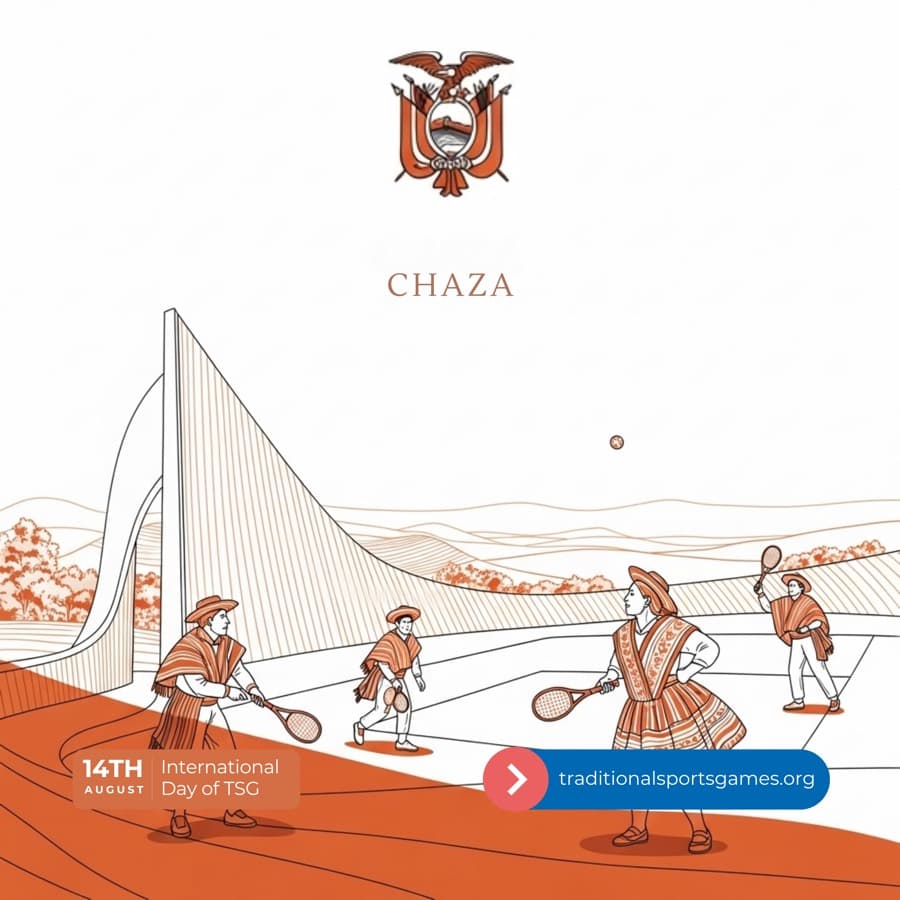
Chaza: A Powerful Andean Tradition of Athleticism and Community Chaza is a unique and energetic traditional sport played in the northern Andes of Ecuador and the southern highlands of Colombia. Resembling a hybrid of tennis and volleyball, it uses heavy rackets and expansive playing fields, delivering a dynamic experience rich in heritage and athleticism. As an emblematic example of Traditional Sports and Games (TSG), Chaza promotes indigenous knowledge, intangible heritage, and community participation while aligning with UNESCO’s efforts to safeguard cultural practices globally. Historical Roots and Regional Significance Rooted in pre-Columbian times, Chaza reflects the traditional Andean emphasis on agility, strength, and teamwork. It is commonly played during regional festivals and community gatherings, representing a vibrant expression of cultural diversity and social practice. The game has been handed down through generations, showcasing the power of intergenerational transmission in maintaining and revitalizing indigenous identity. Gameplay Rules and Equipment Chaza is typically played on large open fields with two teams. The goal is to strike a ball over a line or net using a heavy wooden racket, earning points based on where the ball lands.
Teams: Typically 6 players per side. Ball: Made of rubber or leather, durable enough for strong impact. Rackets: Heavy, oval-shaped wooden paddles wielded with force. Field: Roughly 100 meters in length, marked with boundaries and scoring zones. Scoring: Similar to tennis but adapted with local rules and collaborative team strategies.
Strategic and Athletic Value
Physical Endurance: Long rallies and large field sizes enhance cardiovascular fitness. Team Coordination: Success requires synchronized teamwork and rapid communication. Strategic Play: Players anticipate bounces and trajectory under varied terrain conditions. Accessible Skills: Teaches resilience, strength, and hand-eye coordination.
Educational and Community Impact Chaza fosters local pride and strengthens bonds between generations. Its inclusion in cultural festivals and school activities promotes inclusive education, civil society engagement, and youth empowerment. Through public events and community-led training, Chaza functions as an accessible tool for building confidence, reducing social inequalities, and preserving native Andean knowledge. Alignment with UNESCO’s Sustainable Development Goals (SDGs)
SDG 4 (Quality Education): Promotes traditional learning outside formal classrooms. SDG 5 (Gender Equality): Encourages inclusive participation of both boys and girls. SDG 10 (Reduced Inequalities): Unites urban and rural players in equitable games. SDG 11 (Sustainable Cities and Communities): Preserves rural identity and local sports traditions. SDG 16 (Peace and Justice): Reinforces cooperation and non-violent community interaction. SDG 17 (Partnerships): Offers a platform for NGOs, schools, and governments to collaborate.
Global Parallels to Chaza Chaza’s characteristics echo various traditional racket games worldwide:
Balle au Tambourin (France) – A tambourine-based ball game with volley elements. Sepak Takraw (Southeast Asia) – Combines volleyball-style net play with foot skills. Chinlone (Myanmar) – A non-competitive team sport focusing on fluid movement and coordination.
Cultural Preservation and the Role of ICTSG With support from ICTSG, Chaza is gaining recognition beyond its Andean roots. Educational initiatives and international advocacy are helping preserve its techniques and cultural expressions. By promoting Chaza in schools and global festivals, we safeguard not just a sport — but a living, breathing legacy of indigenous resilience, creativity, and unity. Call to Action: Keep Chaza Alive for Future Generations Support efforts to document, promote, and educate others about Chaza. This vibrant traditional sport represents far more than a game — it embodies the heartbeat of Andean cultural heritage. Get Involved Benefits of Joining Support ICTSG About ICTSG: The International Council of Traditional Sports and Games (ICTSG) is dedicated to preserving, promoting, and revitalizing traditional sports and games as powerful tools for education, peace, and sustainable development.
About Us History Contact
When a sport disappears, it is like a language no longer spoken - its stories, values, and lessons risk being lost forever. When we revive a game, we revive a culture.
Khalil Ahmed Khan - President, ICTSG