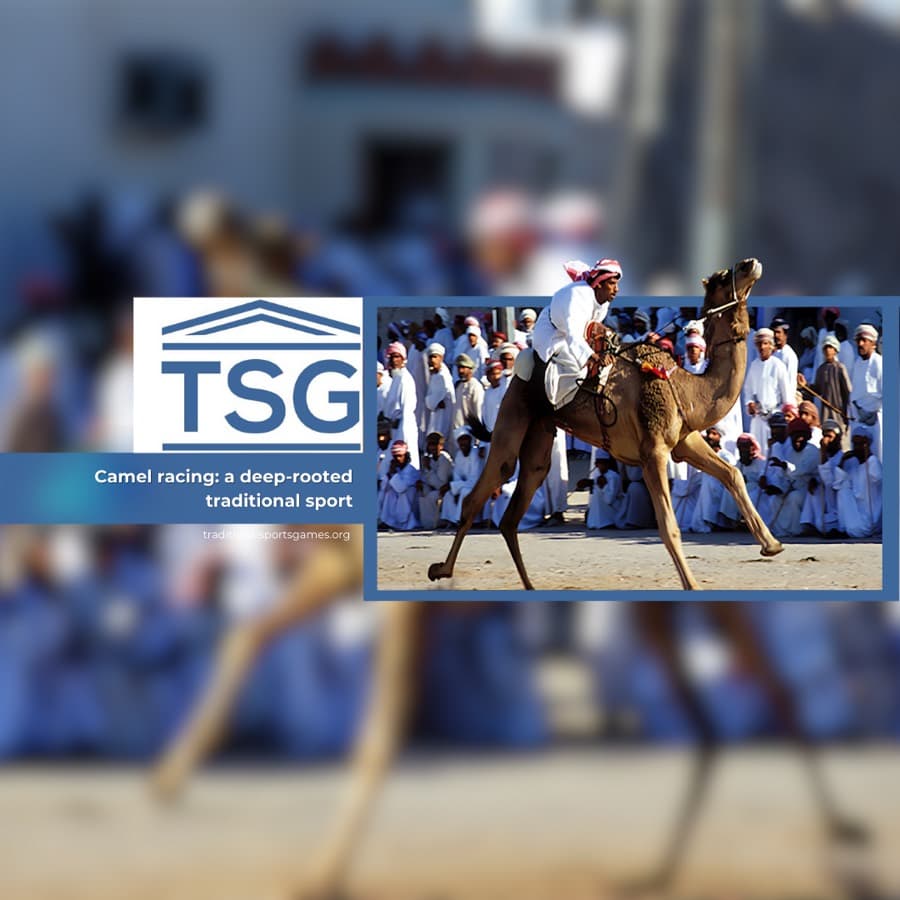
Camel racing is a deep-rooted traditional sport that finds its origins in the desert culture of the Arabian Peninsula, North Africa, and the Middle East. It is a popular sport in countries like Pakistan, Saudi Arabia, Egypt, Bahrain, Jordan, Qatar, United Arab Emirates, Oman, Australia, and Mongolia. Known as the "ships of the desert," camels have played a vital role in the region for thousands of years, influencing transportation, food, shelter, and culture. Historically, camel races were part of festivals, and competitive races arose from challenges between camel owners, requiring extensive preparation.
Despite the transformations brought on by modernization, camel racing has experienced a resurgence as a symbol of resilience, honoring traditions while embracing technological advancements. This revival reflects a collective desire to maintain cultural connections and traditions in an ever-changing world. Today, camel racing has become highly formalized, with specialized breeding programs, intense training, and modern techniques. The sport has gained immense popularity, drawing large crowds and patrons worldwide, and continues to evolve as a prominent symbol of the region’s cultural heritage.
When a sport disappears, it is like a language no longer spoken - its stories, values, and lessons risk being lost forever. When we revive a game, we revive a culture.
Khalil Ahmed Khan - President, ICTSG