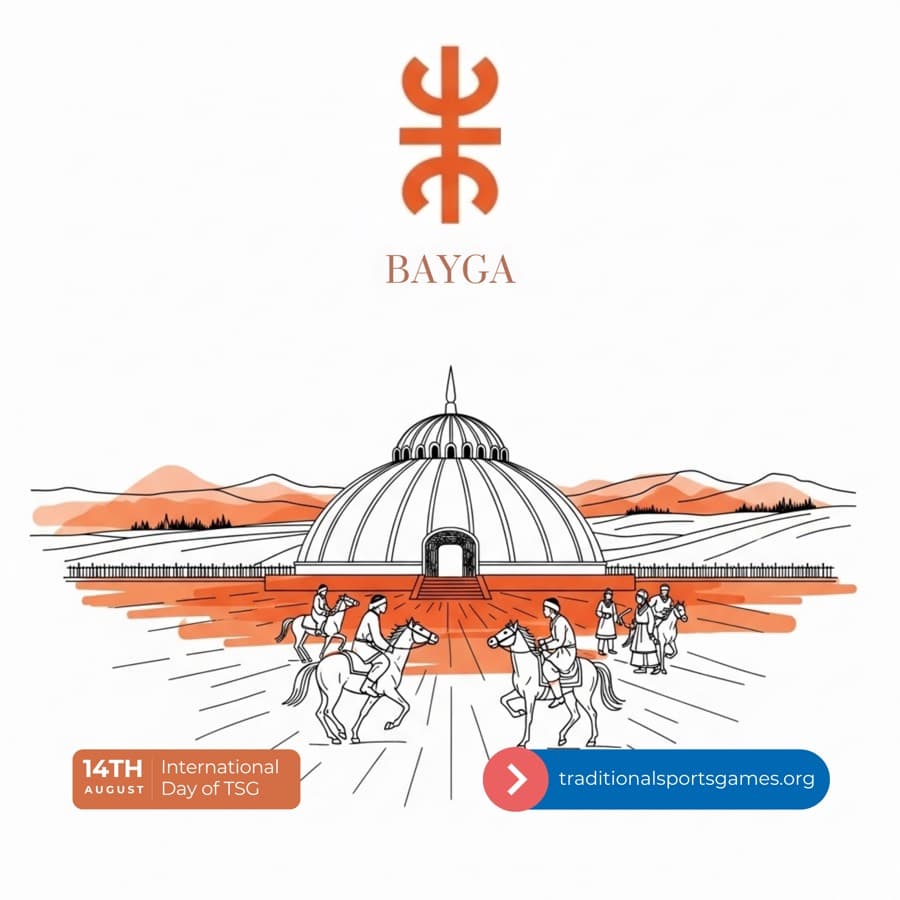
Bayga: Kazakhstan’s Enduring Horse Racing Tradition and Symbol of Intangible Heritage Bayga is a celebrated long-distance horse race originating from the vast steppes of Kazakhstan. As one of Central Asia’s most iconic traditional sports and games (TSG), Bayga is a vital part of the region’s indigenous knowledge and intangible cultural heritage, embodying resilience, heritage, and community pride. Historical and Cultural Background The roots of Bayga date back to ancient nomadic societies of Central Asia. Traditionally organized to test the strength and endurance of horses and riders, Bayga has transcended generations as both a sport and a social celebration. It continues to reflect the mobility, strength, and harmony between humans and animals in steppe life. Gameplay Rules and Format
Bayga races are conducted over long distances, typically ranging from 10 to 100 kilometers. Riders, often youth or young adults, ride without saddles, guided only by their balance and training. The horses used are specially bred for stamina and speed, symbolizing pride in traditional equestrian skills. Races may be accompanied by folk music, storytelling, and performing arts that enhance the festive atmosphere.
Cultural Significance and Social Practice Bayga is more than a competition—it’s a reflection of Kazakh identity and community participation. Entire villages prepare for the event, which serves as a symbol of intergenerational transmission of traditional knowledge and horsemanship. Educational and Social Value
Develops skills in animal care, endurance, and discipline. Encourages inclusive education through practical learning and storytelling. Promotes youth empowerment by involving young riders and trainers. Supports gender participation through growing inclusion of female equestrians.
Sustainable Development and Strategic Impact Bayga contributes to sustainable development by preserving indigenous breeding practices, supporting rural economies, and promoting eco-conscious sporting events. The race offers a platform to advocate for cultural diversity and sustainability in the modern world. UNESCO and the SDGs in Action Bayga directly aligns with several UNESCO Sustainable Development Goals (SDGs):
SDG 4: Quality Education – Through experiential learning and mentorship in traditional contexts. SDG 5: Gender Equality – Encouraging participation of women in equestrian heritage. SDG 10: Reduced Inequalities – Bridging rural and urban communities through shared cultural values. SDG 11: Sustainable Cities and Communities – Fostering local identity and resilience through TSG. SDG 16: Peace and Justice – Promoting fair competition and ethical sportsmanship. SDG 17: Partnerships – Connecting governments, NGOs, and local stakeholders to safeguard TSG.
Related Traditional Games Around the World Bayga is part of a global tapestry of indigenous equestrian sports. Explore similar games:
Buzkashi (Afghanistan) – A traditional team sport played on horseback. Palio di Siena (Italy) – A historic horse race rooted in medieval traditions. Yabusame (Japan) – Horseback archery practiced in traditional ceremonies.
Community and Civil Society Engagement Bayga rallies civil society engagement, bridging generations and fostering cultural pride. The event strengthens community identity and supports global health through physical activity and outdoor sport. It also promotes ethical animal care and traditional craftsmanship in horse gear production. Call to Action Let’s ensure the heritage of Bayga lives on. Support the safeguarding of traditional sports and games through education, engagement, and collaboration. Embrace the wisdom of the past to inspire sustainable futures. Get Involved Benefits of Joining Support ICTSG
About ICTSG: The International Council of Traditional Sports and Games (ICTSG) promotes cultural heritage by preserving traditional games like Bayga. Learn more from our About Us, explore our History, or Contact us for collaboration.
When a sport disappears, it is like a language no longer spoken - its stories, values, and lessons risk being lost forever. When we revive a game, we revive a culture.
Khalil Ahmed Khan - President, ICTSG