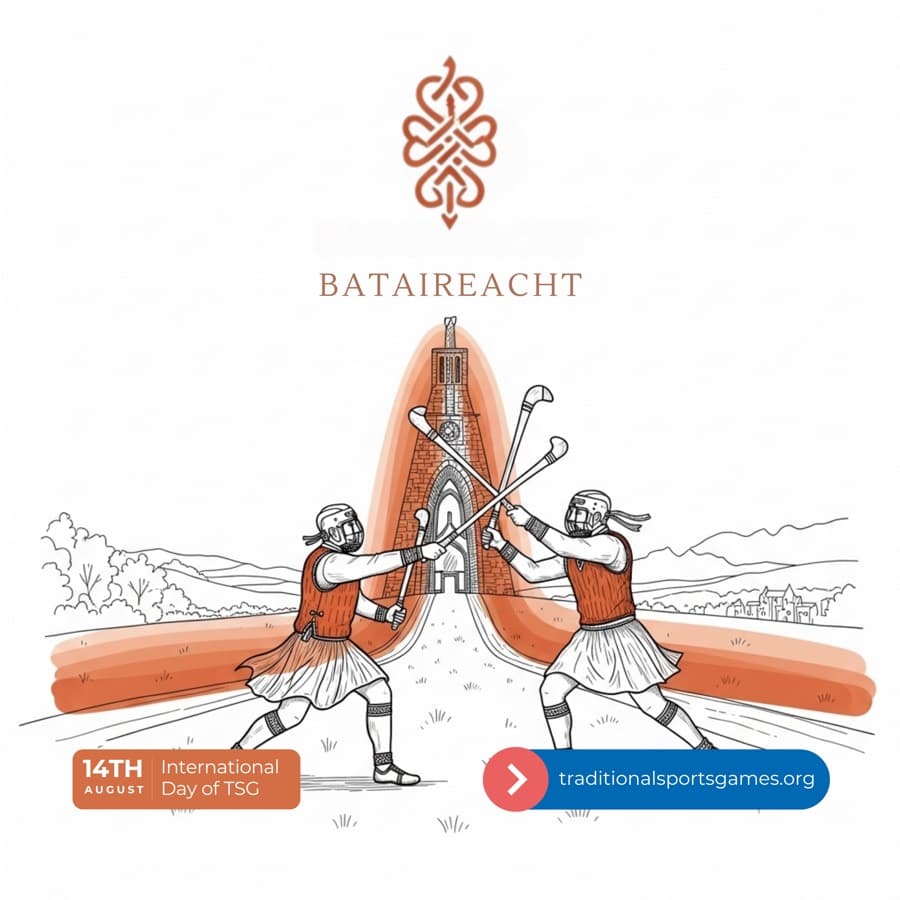
Bataireacht: Preserving Ireland's Ancient Stick-Fighting Heritage Through Traditional Sports and Games
Introduction to Bataireacht: The Noble Art of Irish Stick Fighting Bataireacht stands as one of Ireland's most significant contributions to the world of traditional sports and games (TSG), representing centuries of Celtic martial heritage and cultural identity. This ancient Irish stick-fighting art embodies the essence of intangible heritage that UNESCO recognizes as crucial for maintaining cultural diversity and community cohesion. Through the dedicated preservation efforts of organizations like the International Council of Traditional Sports and Games (ICTSG), bataireacht continues to serve as a living bridge between Ireland's warrior past and its vibrant cultural present, facilitating intergenerational transmission of indigenous knowledge and traditional combat wisdom.
Historical Origins and Cultural Evolution The rich history of bataireacht stretches back through centuries of Irish cultural development, intertwining with the social, political, and spiritual fabric of Celtic society. This traditional martial art emerged from practical necessity and evolved into a sophisticated combat system that reflected Irish values of honor, courage, and community solidarity. Ancient Celtic Warrior Traditions
Pre-Christian Origins: Rooted in ancient Celtic warrior culture and Fianna traditions Mythological Connections: Associated with legendary Irish heroes and warrior bands Ritual Combat: Used in ceremonial contexts and rites of passage Clan Warfare: Adapted for inter-tribal conflicts and territorial disputes
Medieval and Early Modern Development
Faction Fighting: Organized group combat between rival communities Fair Day Contests: Regular competitions at markets and festivals Penal Law Era: Secret practice during periods of cultural suppression Rural Preservation: Maintained in isolated farming communities
Modern Revival and Recognition The contemporary renaissance of bataireacht reflects broader movements toward cultural reclamation and heritage preservation:
Academic research and documentation efforts Integration with modern martial arts communities Recognition as UNESCO-worthy intangible cultural heritage International interest in Celtic martial traditions
Traditional Techniques and Combat Methodology Bataireacht encompasses a sophisticated system of combat techniques that reflect centuries of practical application and refinement within Irish martial culture. Primary Weapons and Equipment
Shillelagh: Traditional blackthorn or oak stick, typically 2-4 feet in length Sail Éille: Weighted cudgel with loaded knob for striking Wattle: Flexible stick for defensive techniques and close combat Alpeen: Short stick or club for confined spaces
Fundamental Combat Techniques
Striking Methods: Overhead strikes, diagonal cuts, and thrusting attacks Defensive Patterns: Blocks, parries, and evasive footwork Grappling Elements: Hooking, trapping, and close-quarter techniques Psychological Warfare: Intimidation tactics and battle cries (gairm chatha)
Strategic Principles and Fighting Philosophy
Aggressive Initiative: Taking the offensive to control engagement Terrain Utilization: Using environment for tactical advantage Group Coordination: Faction fighting tactics and team strategies Honor Code: Rules of engagement and warrior ethics
Cultural Significance and Social Practices Bataireacht functions as far more than a combat system, serving as a repository of Irish cultural values, social practices, and community identity that aligns perfectly with UNESCO's mission to preserve performing arts and traditional social practices. Community Bonding and Social Cohesion
Faction Loyalty: Building strong community ties through shared training Inter-generational Teaching: Master-apprentice relationships spanning decades Festival Integration: Central role in traditional Irish celebrations Storytelling Tradition: Oral histories preserving combat legends
Spiritual and Ritualistic Elements
Blessing Ceremonies: Traditional rituals for new practitioners Seasonal Observances: Combat demonstrations during Celtic festivals Ancestral Connection: Honoring warrior ancestors through practice Sacred Spaces: Traditional training grounds with historical significance
Language Preservation and Irish Gaelic Integration
Technical Terminology: Preserving traditional Irish combat vocabulary Commands and Calls: Traditional Irish language instructions Cultural Expressions: Maintaining linguistic heritage through practice Poetry and Song: Traditional verses accompanying training
Educational Value and Youth Empowerment Bataireacht serves as an exceptional vehicle for inclusive education, directly supporting UNESCO's Sustainable Development Goal 4 (Quality Education) while empowering young people through cultural connection and physical development. Comprehensive Learning Outcomes
Physical Development: Coordination, strength, flexibility, and cardiovascular fitness Cultural Literacy: Deep understanding of Irish history and Celtic heritage Language Skills: Irish Gaelic vocabulary and pronunciation Historical Awareness: Connection to Irish resistance and survival narratives Character Development: Discipline, respect, courage, and personal integrity
Youth Empowerment Through Traditional Practice Young practitioners of bataireacht develop essential life skills while connecting with their cultural heritage:
Cultural Pride: Strong sense of Irish identity and heritage appreciation Leadership Development: Teaching responsibilities and community mentorship Cross-Cultural Understanding: Connections with other traditional martial arts worldwide Conflict Resolution: Channeling aggression into positive competition Community Engagement: Active participation in cultural preservation efforts
Inclusive Education Opportunities
Adaptive Techniques: Modified training for different abilities and ages Gender Inclusivity: Equal opportunities for all participants Economic Accessibility: Low-cost equipment and community-based training Multicultural Integration: Welcoming participants from diverse backgrounds
Global Health and Wellness Benefits The practice of bataireacht contributes significantly to global health initiatives and community wellness, supporting multiple UNESCO Sustainable Development Goals through comprehensive physical and mental health benefits. Physical Health Advantages
Cardiovascular Enhancement: High-intensity training improving heart health Muscular Development: Full-body conditioning and functional strength Flexibility and Mobility: Dynamic movements enhancing joint health Balance and Coordination: Improved proprioception and spatial awareness Reaction Time: Enhanced reflexes and response speed
Mental Health and Cognitive Benefits
Stress Management: Physical outlet for tension and anxiety Confidence Building: Martial skills development and personal empowerment Focus and Concentration: Meditative aspects of traditional practice Cultural Connection: Sense of belonging and identity formation Social Interaction: Community bonds and friendship development
Community Health Impact
Intergenerational Wellness: Health benefits across all age groups Social Cohesion: Stronger community bonds through shared practice Cultural Healing: Addressing historical trauma through tradition Preventive Healthcare: Reducing healthcare costs through active lifestyle
Connections to Global Traditional Combat Sports Bataireacht shares remarkable similarities with traditional combat sports worldwide, demonstrating universal human patterns in martial development and cultural expression through ritualized combat. European Stick Fighting Traditions
French La Canne: Elegant stick fighting with sporting applications Portuguese Jogo do Pau: Staff fighting with regional variations English Singlestick: Military training and civilian self-defense Spanish Juego del Palo: Canary Islands stick fighting tradition
Celtic Combat Connections
Scottish Cammag: Highland stick fighting traditions Welsh Ffon-chwarae: Traditional staff combat of Wales Breton Bazh Yod: Brittany's ancient combat heritage Cornish Wrestling: Related Celtic grappling traditions
Global Stick Fighting Parallels The principles and techniques found in bataireacht resonate with stick fighting traditions from across the globe:
Filipino Eskrima/Arnis: Sophisticated stick and blade fighting systems African Nguni Stick Fighting: Southern African warrior traditions Japanese Bojutsu: Traditional staff fighting of the samurai Indian Lathi Khela: Traditional stick fighting from Bengal
Supporting UNESCO Sustainable Development Goals Bataireacht directly contributes to multiple UNESCO Sustainable Development Goals through its practice, preservation, and community impact: SDG 4: Quality Education
Inclusive Learning: Cultural education accessible to all community members Skills Development: Physical, mental, and social skill acquisition Lifelong Learning: Continuous practice and improvement opportunities Cultural Literacy: Understanding of Irish history and heritage
SDG 5: Gender Equality
Equal Participation: Breaking down gender barriers in martial arts Women's Leadership: Female instructors and cultural preservationists Empowerment Through Combat: Building confidence and self-defense skills Historical Recognition: Acknowledging women's roles in Irish martial culture
SDG 10: Reduced Inequalities
Economic Accessibility: Low-cost participation and community support Social Integration: Bringing together diverse community members Cultural Inclusion: Welcoming all backgrounds while preserving Irish heritage Ability Adaptation: Modified techniques for different physical capabilities
SDG 11: Sustainable Cities and Communities
Cultural Heritage Preservation: Maintaining traditional practices in modern settings Community Spaces: Creating and maintaining training venues Cultural Tourism: Attracting visitors interested in Irish martial heritage Urban Integration: Adapting traditional practices for city environments
SDG 16: Peace, Justice and Strong Institutions
Conflict Resolution: Teaching peaceful resolution through controlled combat Community Governance: Traditional leadership and mentorship structures Cultural Justice: Preserving suppressed cultural practices Social Cohesion: Building trust and cooperation through shared practice
SDG 17: Partnerships for the Goals
International Cooperation: Collaboration through ICTSG networks Cross-Cultural Exchange: Learning from global martial traditions Academic Partnerships: Research collaboration and documentation Government Support: Official recognition and policy development
Community Participation and Civil Society Engagement The vitality and continuation of bataireacht depend fundamentally on active community participation and robust civil society engagement, making it an exemplary model of grassroots cultural preservation and community-driven heritage safeguarding. Local Community Involvement Strategies
Irish Cultural Centers: Regular training sessions and cultural events School Programs: Educational demonstrations and after-school clubs Festival Participation: Performances at St. Patrick's Day and Celtic celebrations Tourism Integration: Cultural demonstrations for heritage tourism Inter-generational Programs: Connecting elders with young practitioners
Civil Society and NGO Collaboration
Heritage Organizations: Documentation projects and oral history collection Sports Bodies: Formal recognition and competition development Academic Institutions: Research programs and scholarly publication International Networks: Connection with global traditional sports communities Government Partnerships: Cultural policy development and funding support
Digital Age Engagement
Online Communities: Virtual training groups and discussion forums Video Documentation: YouTube channels and instructional content Social Media Presence: Instagram and Facebook community building Digital Archives: Online repositories of historical materials Mobile Applications: Training apps and technique libraries
Safeguarding Strategies and Preservation Methodologies Ensuring the continued transmission and evolution of bataireacht requires comprehensive safeguarding strategies that address both immediate preservation needs and long-term sustainability challenges in the modern world. Documentation and Research Initiatives
Video Documentation: High-quality recording of techniques and traditional practices Oral History Projects: Collecting stories from master practitioners and cultural bearers Academic Research: Scholarly analysis of historical and cultural significance Digital Archives: Creating searchable online repositories Photographic Documentation: Visual records of equipment, techniques, and events
Transmission and Education Programs
Master-Apprentice Systems: Traditional learning relationships with experienced practitioners Structured Curricula: Formal training programs and certification systems Community Workshops: Regular training sessions for all skill levels International Exchanges: Cross-cultural learning and technique sharing University Courses: Academic programs in Irish martial arts and culture
Innovation and Adaptation Strategies
Modern Applications: Adapting techniques for contemporary self-defense Sports Development: Creating competitive formats while preserving tradition Therapeutic Applications: Using bataireacht principles in rehabilitation Artistic Integration: Incorporating elements into dance and theater Fitness Programs: Developing bataireacht-based workout routines
Call to Action: Preserving Ireland's Martial Heritage The preservation and revitalization of bataireacht requires collective action from individuals, communities, and institutions worldwide. Every person has the opportunity to contribute to safeguarding this remarkable expression of Irish cultural heritage for future generations. Individual Action Steps
Learn and Practice: Seek out training opportunities in your local community Share Knowledge: Educate others about the importance of traditional martial arts Document Experiences: Record your learning journey and cultural discoveries Support Practitioners: Attend demonstrations and cultural events Cultural Advocacy: Promote recognition of Irish martial heritage
Community Engagement Opportunities
Organize Training Groups: Start local bataireacht clubs and societies Cultural Events: Include bataireacht in Irish cultural celebrations Educational Outreach: Develop school programs and community workshops Research Projects: Contribute to academic study and documentation International Connection: Build relationships with global traditional sports communities
Institutional Support
Policy Development: Advocate for official recognition and support Funding Initiatives: Support grants and scholarships for practitioners Academic Integration: Include bataireacht in university curricula Cultural Tourism: Promote Irish martial arts as heritage attractions International Cooperation: Participate in global traditional sports networks
Get Involved Benefits of Joining Support ICTSG
About the International Council of Traditional Sports and Games (ICTSG) ICTSG promotes global preservation and development of traditional sports and games as intangible cultural heritage, supporting UNESCO's mission through international cooperation, education, and community engagement worldwide. About Us History Contact
When a sport disappears, it is like a language no longer spoken - its stories, values, and lessons risk being lost forever. When we revive a game, we revive a culture.
Khalil Ahmed Khan - President, ICTSG