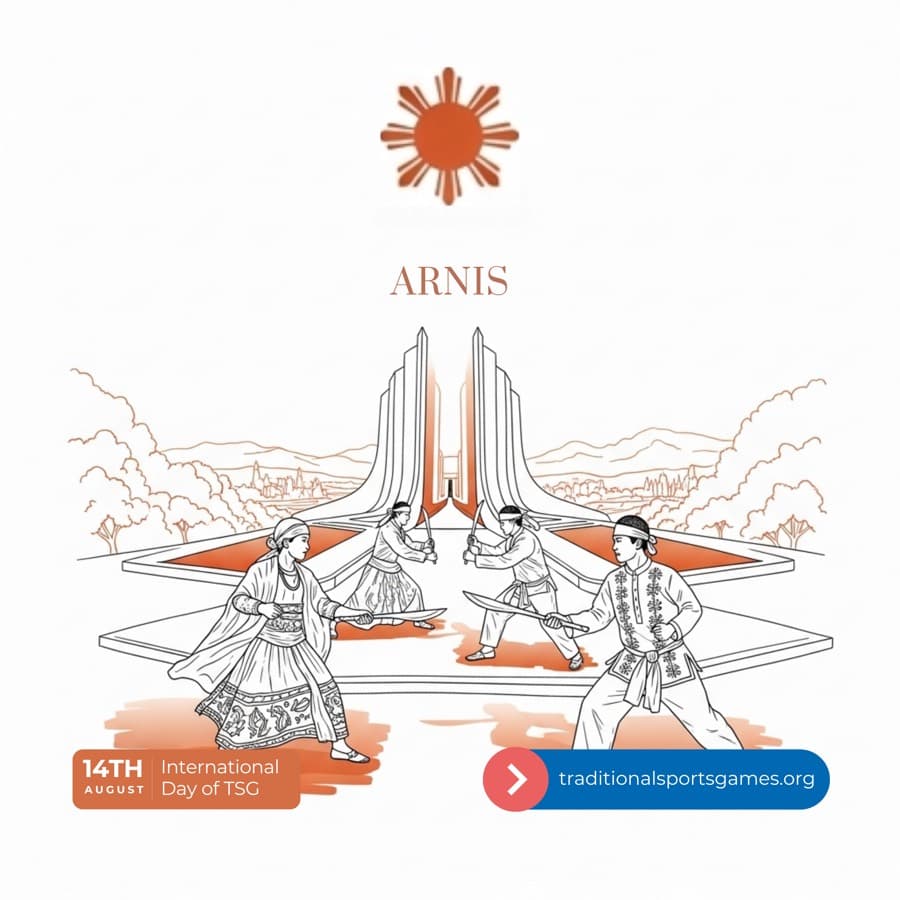
Arnis: The Filipino Martial Art Preserving Indigenous Heritage and Global Unity Arnis—also known as Eskrima or Kali—is the national martial art and sport of the Philippines. Rooted in pre-colonial indigenous fighting methods, it emphasizes versatile weapon-based combat with sticks, blades, and empty hands. Since its formal declaration in 2009, Arnis plays a major role in preserving indigenous knowledge, intangible heritage, and physical culture across generations :contentReference[oaicite:3]{index=3}. Historical Background Developed by native Filipino communities before Spanish colonization, Arnis shaped itself around practical combat and survival needs. Despite suppression during colonial rule, it survived in disguised forms such as dance-like movements called tiklos. In the 20th century, grandmasters like the Cañete family and Remy Presas codified styles, spreading the art globally :contentReference[oaicite:4]{index=4}. Practice and Techniques
Weapon categories include single-stick, double-stick, sword-and-dagger, knife, and improvised tools. Training includes strikes, blocks, footwork, disarming, grappling, and empty-hand combat. Emphasis on speed, adaptability, and situational awareness. Modern Arnis, founded by Remy Presas, introduced safe training and ranking systems :contentReference[oaicite:5]{index=5}.
Cultural and Strategic Significance Arnis is more than combat—it embodies Filipino values of resilience, resourcefulness, and honor. It fosters:
Intergenerational transmission: Knowledge passed through families and masters. Performing arts: Rhythm and flow in demonstrations and competitions. Inclusive education: Accessible for all ages, genders, and physical abilities.
Benefits and Global Health Impact
Physical Fitness: Enhances strength, coordination, reflexes. Mental Discipline: Improves focus, confidence, and resilience. Cultural Pride: Boosts national identity and respect for heritage. Civil Society Engagement: Practiced in schools, community dojos, and events.
Supporting UN's SDGs Aligned with UNESCO’s intangible heritage safeguarding and the following SDGs:
SDG 4 – Quality Education through martial arts inclusion in PE :contentReference[oaicite:6]{index=6} SDG 5 – Gender Equality; both women and men train as arnisadors SDG 10 – Reduced Inequalities via community access SDG 11 – Sustainable Communities honoring cultural tradition SDG 16 – Peace and Justice through discipline and respect SDG 17 – Partnerships via federations and ICTSG outreach
Global Recognition & UNESCO Status Arnis has spread to the USA, Europe, and beyond since the 1920s, and is practiced by law enforcement and military units. It has been formally nominated for UNESCO’s Intangible Cultural Heritage list :contentReference[oaicite:7]{index=7}. Related Traditional Games
Silambam (India) – Staff-based martial tradition Taekkyeon (Korea) – Rhythmic footwork martial art Nguni Stick Fighting (South Africa) – Cultural stick combat
Call to Action Join ICTSG’s mission to safeguard Arnis as a living heritage and inclusive education tool. Support youth empowerment and cultural diversity through public training programs and heritage festivals. Get Involved Benefits of Joining Support ICTSG
About ICTSG: The International Council of Traditional Sports and Games promotes cultural diversity, inclusivity, and the preservation of traditional sports like Arnis. About Us | History | Contact
When a sport disappears, it is like a language no longer spoken - its stories, values, and lessons risk being lost forever. When we revive a game, we revive a culture.
Khalil Ahmed Khan - President, ICTSG