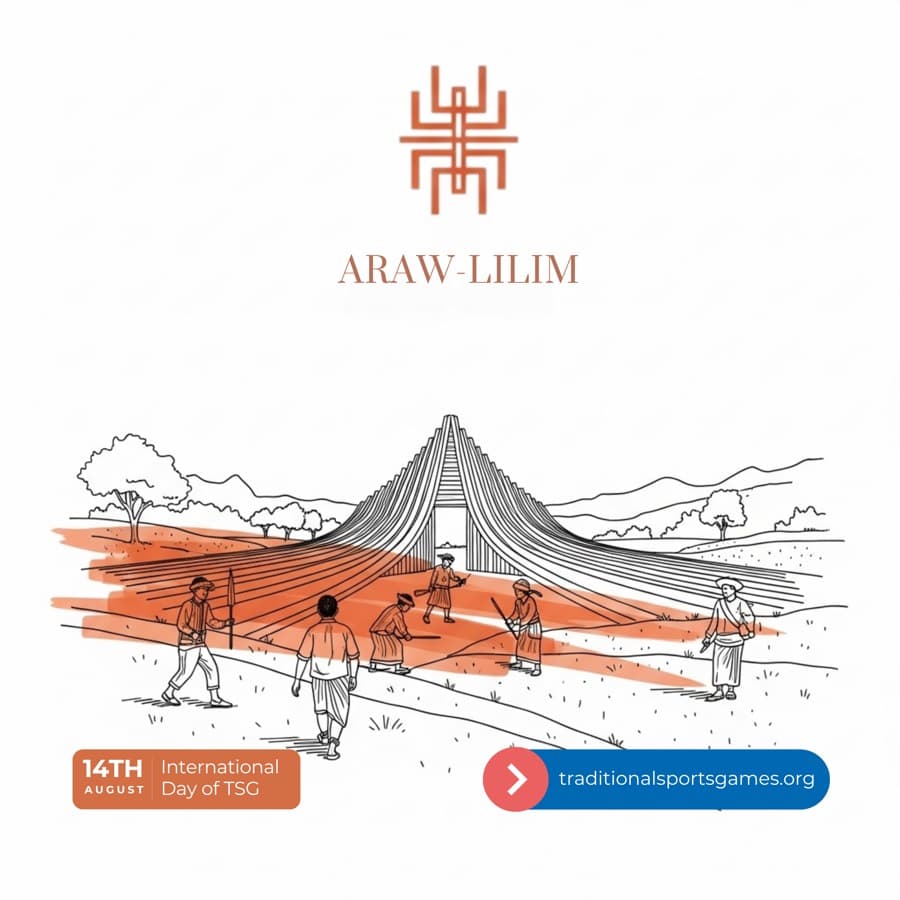
Araw-Lilim: The Filipino Tag Game of Light and Shadow Preserving Cultural Heritage Araw-Lilim—literally meaning “sun and shade”—is a beloved traditional sport and game (TSG) from the Philippines that teaches agility, awareness, and unity through playful interaction with nature. By combining traditional knowledge and physical play, Araw-Lilim actively supports the safeguarding of intangible cultural heritage and promotes inclusive education and youth empowerment. Historical and Cultural Background
Rooted in Filipino communities where natural light sources guided play. Played during sunny afternoons using sunlight and shadow as safe and danger zones. Passed down orally through intergenerational transmission, keeping indigenous knowledge alive. Represents a form of social practice that brings communities together in natural, safe spaces.
Gameplay and Rules
Participants: Two or more players, often children of varying ages. Setup: Outdoor space with a mix of sunlit and shaded areas (e.g., under trees or buildings). Objective: “It” tries to tag others who are standing in sunlight. Players are safe when in shadow. Rules: Once tagged in the sunlight, a player becomes “It,” or the previous “It” continues if unsuccessful.
Cultural and Educational Significance
Connects children to natural environments and teaches respect for time and space. Promotes cultural diversity by showing how natural elements are integrated into games across different communities. Accessible for all ages and genders, encouraging inclusive and equitable participation. Strengthens performing arts through movement, anticipation, and non-verbal coordination.
Strategic and Developmental Benefits
Sharpens observation and movement timing based on environmental cues. Enhances gross motor skills, balance, and reaction speed. Teaches strategic spatial use—how to move quickly between shaded areas. Encourages community participation in outdoor recreational activities, reducing screen time.
Alignment with UNESCO’s Sustainable Development Goals (SDGs)
SDG 4 – Quality Education: Used in culturally responsive learning modules and physical education. SDG 5 – Gender Equality: Naturally inclusive with no gender-based restrictions or roles. SDG 10 – Reduced Inequalities: Requires no materials, allowing participation across economic backgrounds. SDG 11 – Sustainable Cities and Communities: Encourages reclaiming public spaces for cultural play. SDG 16 – Peace, Justice, and Strong Institutions: Promotes fairness, respect, and positive peer interaction. SDG 17 – Partnerships: Part of ICTSG’s efforts to globally promote and safeguard traditional sports and games.
Related Traditional Games Worldwide
Langdi – India (leg-based tag game) Kho Kho – India Batu Seremban – Malaysia Patintero – Philippines
Community Impact
Fosters intergenerational bonding between elders who teach and children who learn. Promotes global health through active outdoor play and natural exercise. Strengthens civil society engagement through group play and cultural pride. Encourages sustainable practices by eliminating the need for modern equipment or infrastructure.
Call to Action: Revive and Share Araw-Lilim Araw-Lilim is more than a childhood pastime—it’s a cultural artifact, a bridge between generations, and a tool for inclusive learning. Let us safeguard this intangible heritage together by playing, teaching, and sharing it across schools, communities, and borders. Get Involved Benefits of Joining Support ICTSG
About ICTSG: The International Council of Traditional Sports and Games (ICTSG) safeguards global traditional play, like Araw-Lilim, through education, policy engagement, and international cooperation. Learn more about ICTSG’s mission and initiatives here:
About Us History Contact
When a sport disappears, it is like a language no longer spoken - its stories, values, and lessons risk being lost forever. When we revive a game, we revive a culture.
Khalil Ahmed Khan - President, ICTSG