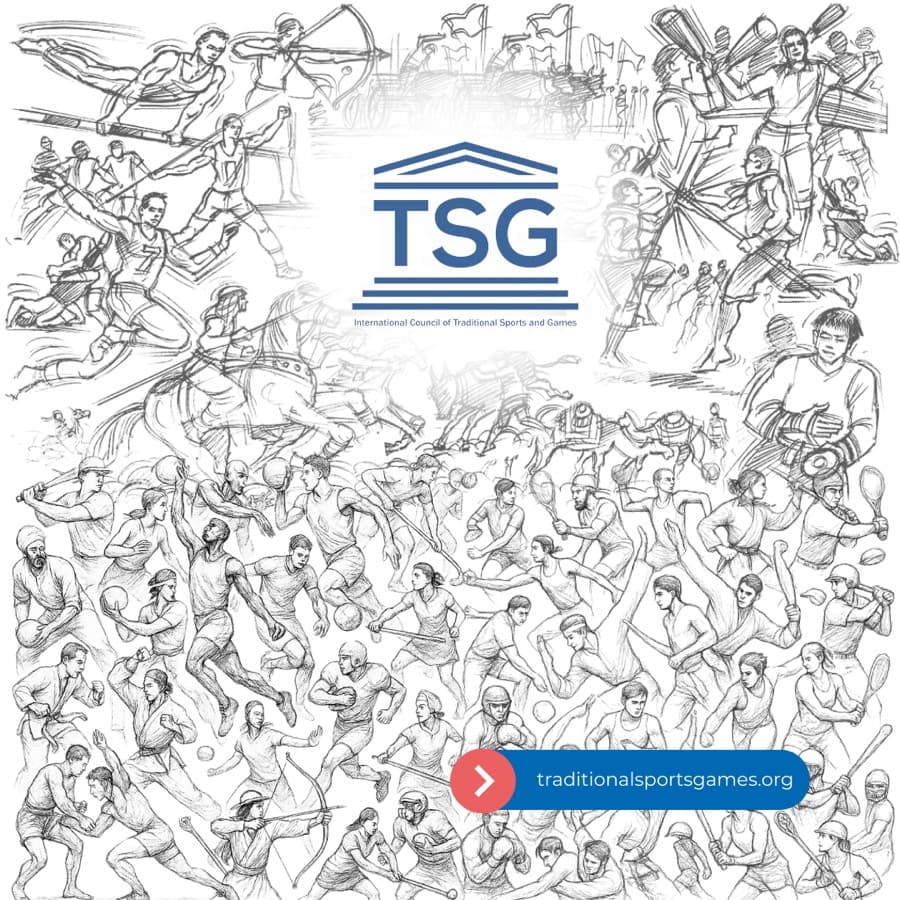
A Formal Appeal for the Protection and Promotion of Traditional Sports and Games (TSG) Traditional Sports and Games (TSG) represent invaluable expressions of cultural identity, heritage, and communal values. Rooted in centuries-old traditions and intergenerational knowledge, these sports serve not only as recreational activities but also as tools for education, cultural transmission, and social cohesion. Nevertheless, the rise of modern, commercialized sports, coupled with the effects of globalization and urban development, has rendered many TSG endangered, with several on the brink of extinction. In recognition of this urgent cultural threat, and in accordance with the mandate entrusted by UNESCO and its Member States in 2018, the International Council of Traditional Sports and Games (ICTSG) reaffirms its commitment to spearheading a global movement for the safeguarding and advancement of TSG. The Cultural and Social Significance of Traditional Sports and GamesTraditional Sports and Games extend beyond physical exercise; they encapsulate: Cultural Identity: Each game is a living narrative of the customs, rituals, and values unique to its community of origin. Social Cohesion: TSG foster intergenerational transmission, community bonding, and mutual respect. Health and Well-Being: These games encourage physical fitness while upholding principles of non-commercialized and fair play. Diversity and Inclusion: TSG are universally accessible, cutting across boundaries of age, gender, economic status, and social class. Current Challenges Threatening Traditional Sports and GamesDespite their immense cultural value, TSG face a multitude of challenges: Insufficient Documentation and Public Awareness – Numerous traditional games remain undocumented, unrecognized, and are gradually being forgotten. Commercialization and Market-Driven Sports Culture – Dominant global sports economies marginalize traditional games, depriving them of attention and investment. Urbanization and Evolving Lifestyles – Rapid socio-economic changes have diminished participation, especially among younger generations. Institutional Neglect – A disproportionate focus on mainstream sports by governments and federations has led to policy and funding gaps. Lack of Global Representation – Unlike Olympic sports, TSG lack formalized platforms for international recognition and exchange. ICTSG’s Strategic Framework to Safeguard TSG: In response, the International Council of Traditional Sports and Games (ICTSG) has adopted a comprehensive and legally aligned strategy to protect and promote TSG globally: 1. Legal Recognition and Policy AdvocacyCollaborating with national governments and cultural institutions to recognize TSG as Intangible Cultural Heritage. Promoting the adoption of legislative frameworks and national policies that ensure legal protection and sustainable development of TSG. 2. Organization of International EventsHosting the World Traditional Sports and Games (WTSG) to serve as a global platform for cultural exchange and athletic demonstration. Encouraging indigenous participation and inter-community dialogue through these culturally celebratory events. 3. Educational Integration and Capacity BuildingIntegrating TSG into school curricula to foster cultural awareness from an early age. Developing training programs for practitioners, coaches, and referees to preserve and transmit traditional knowledge. Supporting academic research and publications on the socio-historical significance of TSG. 4. Technological Advancement and Digital OutreachCreating digital archives and repositories for endangered games. Utilizing social media, documentaries, and mobile applications to educate and engage global audiences. Launching online platforms to facilitate learning and virtual participation in TSG. 5. Community-Based Empowerment and Funding SupportAllocating resources to community-led initiatives aimed at revitalizing local sports traditions. Encouraging intergenerational TSG events to maintain continuity of practice. Partnering with indigenous and ethnic groups to preserve and promote culturally specific games. 6. International Collaboration and DiplomacyStrengthening partnerships with UNESCO, UN agencies, and international sports bodies. Advocating for TSG inclusion in international policy platforms, cultural festivals, and multilateral agreements. Facilitating regional cooperation to safeguard endangered games through joint programs and legal accords. Shared Responsibility: A Global AppealThe responsibility to preserve Traditional Sports and Games lies with all sectors of society: Governments are urged to legislate protective policies and allocate funding for TSG preservation and promotion. Educational Institutions should integrate TSG into curricular activities and historical studies. Sports Federations are encouraged to include TSG in regional, national, and international competitions. Media Outlets and Influencers should advocate through storytelling, film, and public campaigns. Communities and Individuals are called upon to organize and actively participate in local TSG practices. Traditional Sports and Games are not merely relics of the past—they are dynamic, living traditions that continue to enrich our present and can guide future generations towards unity, inclusivity, and cultural respect. The ICTSG remains steadfast in its commitment, but the success of this movement requires collective, sustained action across all levels of society. The preservation of our shared heritage is a collective duty. The time to act is now. Let us stand united in protecting the legacy of Traditional Sports and Games. Written by:Sports EnthusiastEmail: sportslover@gmail.com
When a sport disappears, it is like a language no longer spoken - its stories, values, and lessons risk being lost forever. When we revive a game, we revive a culture.
Khalil Ahmed Khan - President, ICTSG