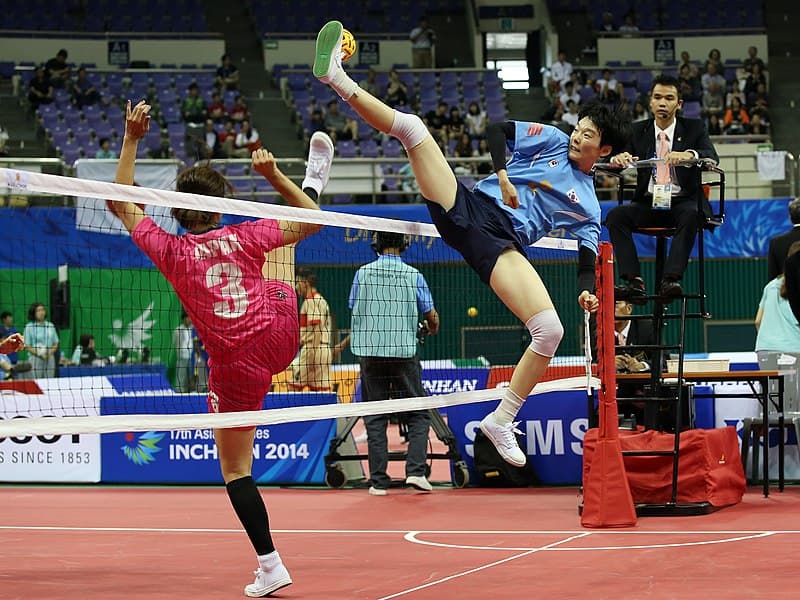
Traditional Sports and Games (TSG) offer a multitude of advantages that extend far beyond physical activity and entertainment. Deeply embedded in the cultural and historical fabric of societies, TSG promote holistic well-being, preserve heritage, foster social integration, and support educational and economic development.
ACCESSIBILITY AND INCLUSIVITY One of the most immediate advantages of TSG is their accessibility. Most traditional games require minimal infrastructure and are played using natural or easily available materials. This makes them highly democratic -open to players regardless of economic background, age, or physical ability.
CULTURAL IDENTITY AND HERITAGE PRESERVATION TSG are living archives of cultural knowledge. Each game encodes historical relationships with land, seasonal cycles, social hierarchies, and community values. When TSG are practiced, cultural memory is actively transmitted -not passively stored.
PHYSICAL AND MENTAL HEALTH Research increasingly shows that traditional games promote diverse physical fitness profiles, including balance, coordination, flexibility, strength, and endurance. Their social nature also provides measurable mental health benefits, particularly for youth and elderly populations.
EDUCATIONAL VALUE TSG embed learning within play. Games that simulate hunting, navigation, or resource allocation teach practical skills; games involving counting, strategy, or memory develop cognitive abilities. Many TSG are natural environments for language learning and oral tradition transmission.
ECONOMIC DEVELOPMENT Traditional sports tourism is an emerging sector. Events like Senegal's Laamb wrestling season draw international visitors and generate significant local economic activity. ICTSG is actively developing frameworks for TSG-based sustainable tourism.
SOCIAL COHESION AND PEACEBUILDING TSG historically served as mechanisms for conflict resolution, inter-community bonding, and celebration. Their revival in contemporary contexts has demonstrated measurable effects on social cohesion, particularly in post-conflict societies.
When a sport disappears, it is like a language no longer spoken - its stories, values, and lessons risk being lost forever. When we revive a game, we revive a culture.
Khalil Ahmed Khan - President, ICTSG