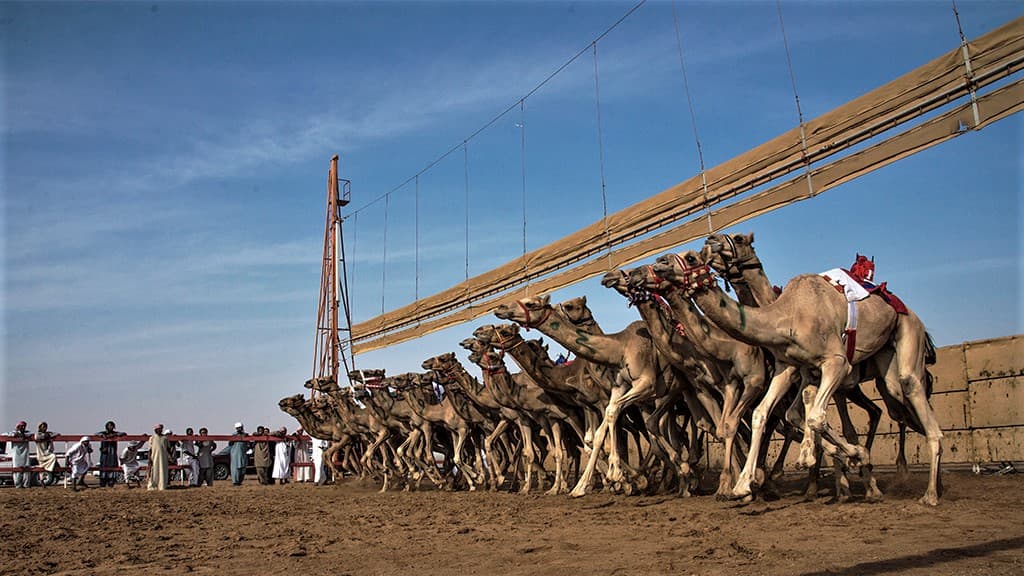
Traditional sports and games offer a remarkable range of concrete benefits that make them uniquely valuable not just as cultural artifacts, but as living practices contributing to health, community wellbeing, and sustainable development.
Health and Physical Wellbeing
Traditional sports provide accessible physical activity requiring little to no specialized equipment -- playable anywhere regardless of income. Many engage the whole body in dynamic movements developing strength, flexibility, coordination, and cardiovascular fitness simultaneously. The social dimensions provide powerful mental health benefits that purely individual exercise cannot replicate.
Cultural Identity and Heritage Preservation
Participation connects individuals to their community's history and values in an embodied way that no document can replicate. Traditional sports festivals are among the most powerful community-building events in many cultures, bringing together extended families, neighboring communities, and generations in shared celebration. Learning a traditional sport from elders is one of the most effective mechanisms for intergenerational cultural transmission.
Educational Value
Traditional games provide culturally meaningful physical education, connecting school and family life. They carry history, language, ecological knowledge, and social values -- making them simultaneously physical and cultural education. The values embedded in many traditional sports -- respect for elders, community over individual, perseverance, discipline -- provide frameworks for character formation.
Economic Development
Traditional sports festivals are cultural tourism assets. International visitors travel specifically to witness Mongolian Naadam, Scottish Highland Games, Senegalese Laamb championships, and Indonesian Pacu Jalur boat races. These festivals generate economic activity for host communities through tourism, local enterprise, and traditional crafts production.
Sustainable Development Alignment
ICTSG's work is aligned with the UN SDGs. Traditional sports contribute to SDG 3 (Good Health), SDG 4 (Quality Education), SDG 10 (Reduced Inequalities) through inclusive low-cost activities, SDG 11 (Sustainable Communities) through cultural identity preservation, SDG 15 (Life on Land) through ecological knowledge, and SDG 17 (Partnerships) through ICTSG's global network.
Communities around the world that have successfully preserved and promoted their traditional sporting heritage demonstrate measurable improvements in community cohesion, youth engagement, cultural pride, and economic wellbeing.
When a sport disappears, it is like a language no longer spoken - its stories, values, and lessons risk being lost forever. When we revive a game, we revive a culture.
Khalil Ahmed Khan - President, ICTSG