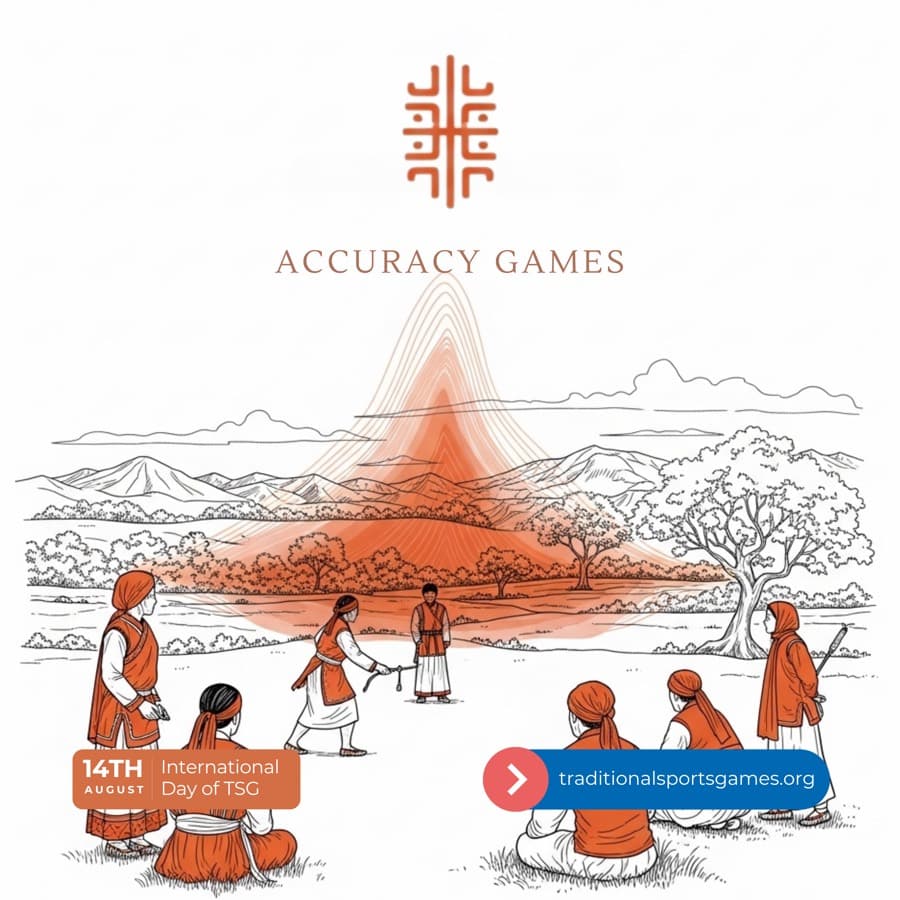
Accuracy Games of the Arctic: Harpoon Throw and Nugluktaq in Indigenous Sport Heritage Across the circumpolar regions of North America, Indigenous communities have developed unique traditional sports and games (TSG) focused on enhancing accuracy, discipline, and survival skills. Among the most well-known are the harpoon throw and nugluktaq, both practiced by Inuit and other Arctic peoples. These games are more than physical contests — they are carriers of indigenous knowledge, cultural values, and ancestral survival practices that align with UNESCO’s mission for safeguarding intangible heritage. Historical and Cultural Background Accuracy-based games in Arctic regions originated from hunting traditions where survival depended on precision. Throwing a harpoon accurately was essential for catching seals or fish, while nugluktaq evolved from celebratory practices where players aimed to hit moving objects with exact timing and strength. These games, passed through intergenerational transmission, remain vibrant examples of social practices and community rituals deeply rooted in local identity. Gameplay: Harpoon Throw and Nugluktaq
Harpoon Throw: Participants throw a traditional harpoon at a small ground target representing a seal. Success requires a steady hand, focus, and distance judgment. Nugluktaq: Also known as the "seal poke game," this game involves striking a target (such as a ball or seal-shaped object) with a quick jab, simulating seal hunting through ice holes.
Physical and Strategic Benefits
Enhances hand-eye coordination and reaction speed. Builds focus, patience, and breathing control. Develops arm strength, targeting accuracy, and agility. Encourages adaptability in dynamic, outdoor environments.
Cultural Significance and Community Integration These games continue to be central in Arctic Winter Games and local festivals, reflecting the importance of cultural diversity, community participation, and heritage celebration. They often involve family mentorship, allowing youth to learn from elders — a clear example of inclusive education and youth empowerment in Indigenous communities. Educational and Developmental Value
Used in Indigenous-centered curricula and land-based education programs. Promotes cognitive development through concentration and timing skills. Facilitates performing arts as players often enact stories or ceremonies. Reinforces pride in traditional identity and Indigenous resilience.
Supporting the Sustainable Development Goals (SDGs) These traditional accuracy games reinforce global development principles aligned with UNESCO’s SDGs:
SDG 4 – Quality Education: Promotes experiential, culturally relevant learning methods. SDG 5 – Gender Equality: Games are accessible to all, supporting balanced participation. SDG 10 – Reduced Inequalities: Raises Indigenous voices and traditions in sport platforms. SDG 11 – Sustainable Cities and Communities: Safeguards community-led cultural spaces. SDG 16 – Peace and Strong Institutions: Encourages local leadership and self-governance through sport. SDG 17 – Partnerships for the Goals: Inspires collaboration across cultural and educational organizations.
Global Parallels – Accuracy in Traditional Games Worldwide
Dart Throwing (Europe) – Focuses on precision and target focus. Jereed (Turkey) – Equestrian game involving projectile throwing. Kabaddi (South Asia) – Though not a precision throw, it requires extreme timing and spatial control.
Call to Action – Preserve and Practice Traditional Accuracy Games Traditional accuracy games like the harpoon throw and nugluktaq are essential bridges between the past and future. They empower youth, engage communities, and embody resilient cultural practices. Join efforts to protect, teach, and celebrate these ancestral games and ensure their place in global sporting heritage. Get Involved Benefits of Joining Support ICTSG About ICTSG: The International Council of Traditional Sports and Games (ICTSG) is dedicated to preserving, promoting, and revitalizing traditional sports and games as powerful tools for education, peace, and sustainable development.
About Us History Contact
When a sport disappears, it is like a language no longer spoken - its stories, values, and lessons risk being lost forever. When we revive a game, we revive a culture.
Khalil Ahmed Khan - President, ICTSG