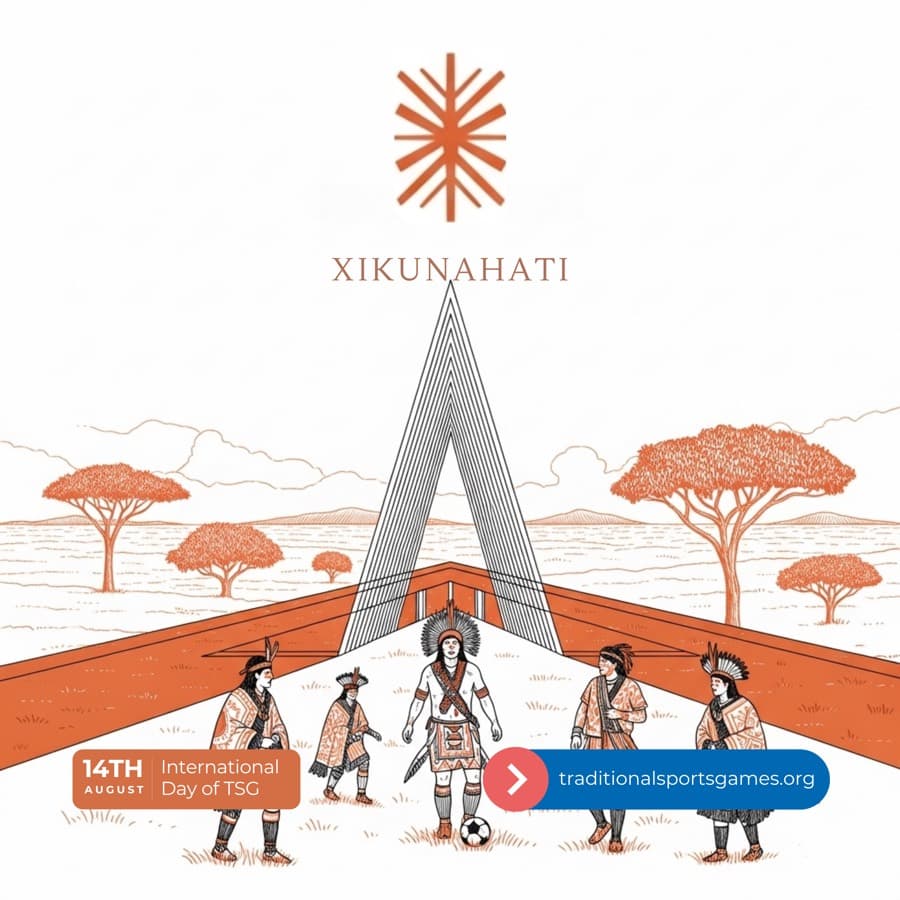
Xikunahati: Traditional Head-Only Ball Sport of the Paresi-Haliti People of Brazil Xikunahati is a vibrant and culturally significant ball sport developed by the Paresi-Haliti indigenous community in Brazil. Distinguished by its exclusive use of the head to control and pass the ball, this traditional sport is a living expression of indigenous knowledge and intangible cultural heritage. Xikunahati exemplifies the deep connection between ancestral customs, communal values, and physical performance, making it a vital part of the global movement to safeguard traditional sports and games (TSG). Historical and Cultural Background Rooted in the cultural identity of the Paresi-Haliti, Xikunahati is more than recreation—it is a social practice, a pedagogical tool, and a form of expression. Historically played during communal gatherings, the sport reinforces intergenerational learning, cooperation, and cultural pride. With renewed efforts toward recognition, it is now seen as a key part of UNESCO's safeguarding initiatives for cultural diversity and indigenous heritage. Gameplay Rules and Format
Objective: Score points by heading the ball over a central net or line without using any other body part. Players: Played in teams, usually on a dirt or grass court marked with a centerline. Allowed Movements: Only the head may be used to strike, pass, or control the ball. Teamwork: Encourages constant communication and collaborative strategies. Attire: Players often wear traditional garments during ceremonial matches, integrating the performing arts element.
Strategic Aspects and Physical Benefits
Coordination: Enhances precision, balance, and head-eye coordination. Agility: Builds core strength, speed, and spatial awareness. Team Dynamics: Promotes collective play and inclusive sportsmanship. Mental Focus: Sharpens reflexes and decision-making under pressure.
Educational and Social Value Xikunahati offers a framework for inclusive education, where youth learn discipline, cultural history, and environmental awareness through physical play. The sport’s simplicity and accessibility make it ideal for rural and urban settings, creating a bridge between indigenous and non-indigenous communities and fostering community participation and youth empowerment. Community Impact and Cultural Safeguarding By engaging both children and elders in its practice, Xikunahati preserves and transmits vital cultural knowledge. It serves as a platform for civil society engagement, storytelling, and intercultural dialogue, strengthening the visibility and respect for indigenous traditions on national and international platforms. UN and Sustainable Development Goals (SDGs)
SDG 4: Quality Education – Enhancing learning through physical, historical, and cultural integration. SDG 5: Gender Equality – Encouraging inclusive participation across all genders. SDG 10: Reduced Inequalities – Uplifting indigenous voices through traditional sport promotion. SDG 11: Sustainable Communities – Linking sport with environmental stewardship and cultural continuity. SDG 16: Peace and Justice – Promoting respect and social cohesion through cultural sport. SDG 17: Global Partnerships – Empowering indigenous representation in global TSG movements.
Related Traditional Sports You May Like
Sipa – Indigenous kick-based game from the Philippines Aseer – Team-based wrestling sport of the Middle East Chinlone – Ball sport blending teamwork and artistry from Myanmar
Call to Action Xikunahati is a compelling reminder of the richness of Brazil’s indigenous cultures. Its revival and recognition reflect the strength of ancestral resilience. Join us in preserving this unique head-only ball sport through education, research, and participation. Celebrate diversity and heritage—one header at a time. Get Involved Benefits of Joining Support ICTSG About ICTSG: The International Council of Traditional Sports and Games (ICTSG) is dedicated to preserving, promoting, and revitalizing traditional sports and games as powerful tools for education, peace, and sustainable development.
About Us History Contact
When a sport disappears, it is like a language no longer spoken - its stories, values, and lessons risk being lost forever. When we revive a game, we revive a culture.
Khalil Ahmed Khan - President, ICTSG