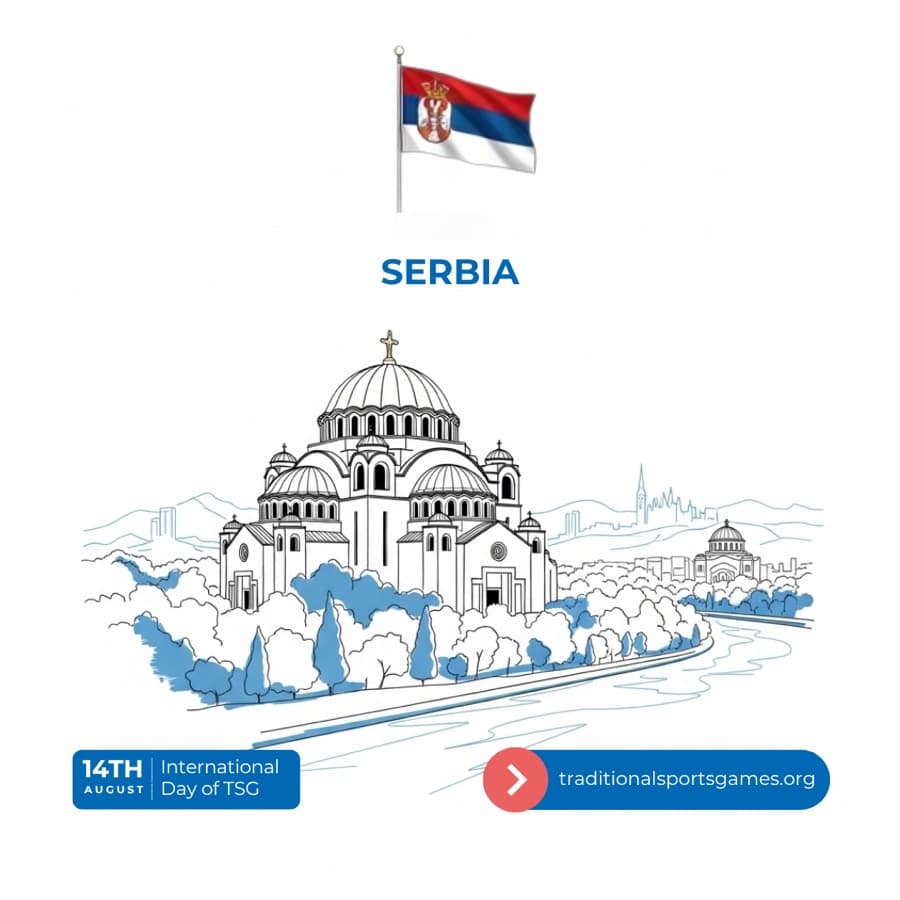
Positions Open with Serbia Chapter 1. Chapter President for SerbiaApply Now 2. General Secretary for SerbiaApply Now 3. Information & Communications Lead for SerbiaApply Now Pre‑Qualification Checklist Benefits & Perks Responsibilities
Serbia: A Cultural and Strategic Pillar in Traditional Sports and Games Located in the heart of the Balkans, Serbia has long been a center of cultural exchange and tradition. With deep roots in Slavic, Byzantine, and Ottoman histories, the country's traditional sports reflect its diverse heritage. As a committed participant in the 4th UNESCO Collective Consultation Meeting on Traditional Sports and Games, Serbia contributed substantially to the foundation of ICTSG, the global governing platform for heritage sports.
Serbia's Representation at the 4th UNESCO TSG Meeting Serbia’s delegation to the UNESCO gathering, held on 13–14 August 2018 at the Sheraton Grand Istanbul Atasehir, was composed of esteemed national figures:
Mr. Vanja Udovicic – Minister of Youth and Sports Mr. Darko Udovic – Assistant Sports Minister Mrs. Ivana Dukic – Advisor to the Minister of Sports
The Serbian delegation’s involvement highlighted its institutional commitment to cultural preservation and sports diplomacy. Their participation in the strategic planning of ICTSG confirmed Serbia’s intention to lead in regional collaboration for safeguarding intangible cultural heritage.
Geographic Importance of Serbia Serbia sits at the crossroads of Central and Southeast Europe. This unique geographic positioning has historically made it a bridge between East and West. The fertile plains of Vojvodina and the rugged Dinaric Alps provide natural settings for a variety of traditional sports. Serbia’s terrain, climate, and cultural diversity make it an ideal landscape for the growth and sustainability of heritage sports.
Traditional and Indigenous Sports of Serbia Serbia holds a treasure trove of indigenous games and physical traditions passed down generations. Among the most popular are:
Sablja (Traditional Saber Fencing): A martial practice linked to medieval knightly culture and Serbian epic poetry. Skakanje u Dalj: A traditional long jump game played during rural festivities, focusing on strength and agility. Kamena s Ramena: Similar to modern shot put, this game involved throwing large stones, especially in highland regions.
These games are not merely physical activities but expressions of Serbian identity, resilience, and history.
Serbia’s Role in the Formation of ICTSG Serbia's presence at the 2018 meeting underscored its leadership in shaping the institutional path of ICTSG. Minister Vanja Udovicic's participation lent the Serbian delegation both political weight and strategic direction. His position allowed for a robust endorsement of ICTSG's formation, establishing Serbia as a stakeholder nation in global traditional sports governance. The event was organized by the Adhoc Advisory Committee on TSG in collaboration with the Ministry of Sports and the World Ethnosport Confederation (WEC). The meeting’s success was largely driven by active national delegations like Serbia’s, ensuring that ICTSG emerged as a multi-national, people-first, heritage-centered initiative.
Weather and Climate Conditions Serbia experiences a continental climate, with cold winters and hot summers. These seasonal variations foster different types of traditional sports year-round. In winter, mountain communities engage in sled-based games and log-pulling contests, while summer seasons allow for field-based sports and open-air tournaments in rural areas. This rhythm ensures that traditional games align naturally with the country's environmental patterns, keeping the cultural calendar vibrant.
UN Sustainable Development Goals (SDG) Alignment Serbia’s cultural sports programs directly support the following UN SDGs:
Goal 3: Good Health and Well-being – Promoting community fitness through traditional games. Goal 11: Sustainable Cities and Communities – Sustaining cultural practices through sports festivals. Goal 17: Partnerships for the Goals – Engaging in international collaboration via ICTSG.
These contributions exemplify how cultural preservation can align with global development goals.
Historical Relevance to ICTSG Serbia’s historical relevance lies in its role as a cultural crossroads of civilizations. Traditional sports in the region were often tied to festivals, rituals, and warrior training. By institutionalizing these heritage activities through ICTSG, Serbia ensures that future generations understand their cultural significance and communal value. Its continued involvement sets a model for how nations can blend heritage, education, and sustainable development into one platform.
Call to Action Preserving Serbia’s traditional sports is preserving its soul and community. We invite athletes, educators, policy makers, and culture enthusiasts to support the nation’s journey in safeguarding and promoting these vital traditions through ICTSG. Get Involved Benefits of Joining Support ICTSG
About ICTSG: The International Council of Traditional Sports and Games (ICTSG) is dedicated to preserving, promoting, and revitalizing traditional sports and games as powerful tools for education, peace, and sustainable development.
About Us History
When a sport disappears, it is like a language no longer spoken - its stories, values, and lessons risk being lost forever. When we revive a game, we revive a culture.
Khalil Ahmed Khan - President, ICTSG