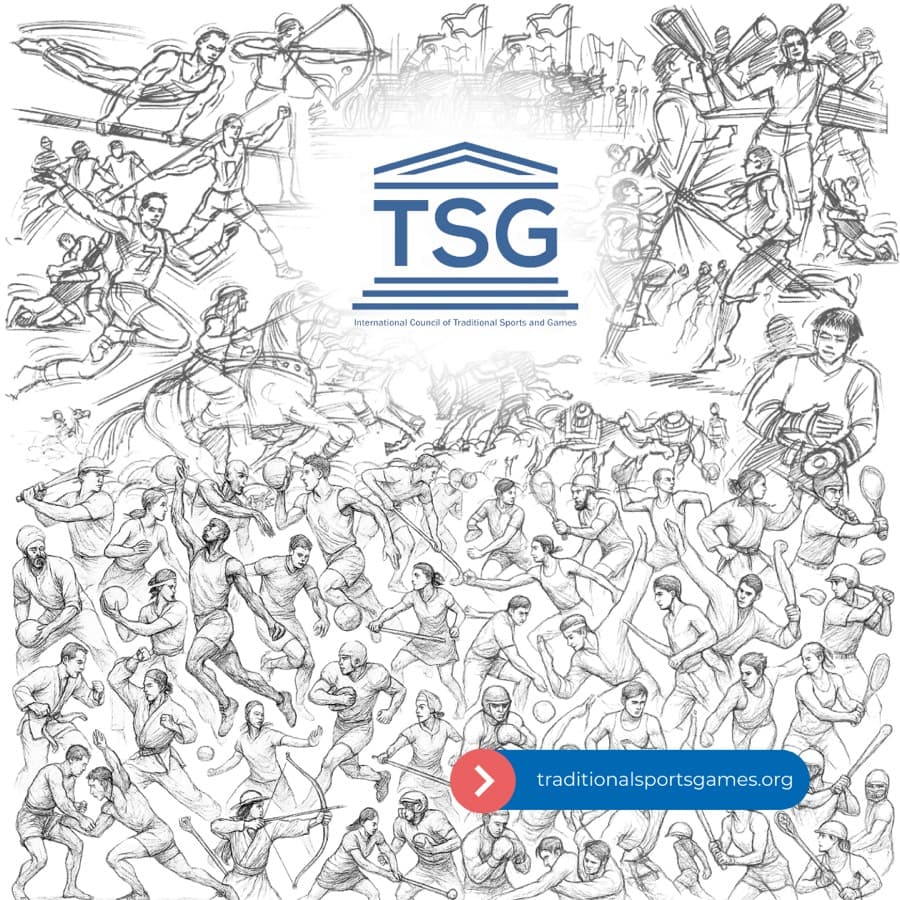
Traditional Sports: A Global Overview of Humanity’s Physical Heritage Traditional sports are not simply games played for recreation—they are dynamic vessels of heritage, identity, and cultural transmission. Practiced across continents and passed from generation to generation, traditional sports hold deep historical, social, and even spiritual significance. Today, they are being recognized not only as part of intangible cultural heritage, but also as vital tools for achieving the United Nations Sustainable Development Goals (SDGs).
What Are Traditional Sports? Traditional sports are physical activities developed within specific cultural and historical contexts. Unlike standardized modern sports, traditional sports often vary regionally and are tied to rituals, seasonal festivals, local craftsmanship, and oral traditions. They can be competitive or symbolic, organized formally or practiced informally among families and communities.
Examples include:
Kabaddi (South Asia) Buzkashi (Central Asia) Lutte Traditionnelle (West Africa) Peteca (Brazil) Kok Boru (Kyrgyzstan) Ulama (Mexico) Wrestling forms across every continent
Historical Roots & Community Significance From the Mongolian Naadam Games to the Aboriginal Marngrook, traditional sports have existed for thousands of years. Many of them emerged as ways to train for hunting, celebrate harvests, or test physical and mental resilience in sacred or community-based settings. These activities often involve:
Craftsmanship: Handmade equipment such as wooden sticks, ropes, or woven balls. Rituals: Games played during festivals, coming-of-age ceremonies, or religious holidays. Oral Transmission: Techniques and rules passed down verbally or demonstrated through play.
Traditional Sports and the Global Agenda 🎯 Aligned with Sustainable Development Goals (SDGs)
SDG 3 – Good Health and Well-Being: Traditional sports promote active lifestyles and community-based physical activity. SDG 4 – Quality Education: Many practices teach coordination, teamwork, and cultural literacy. SDG 5 – Gender Equality: Numerous traditions include or are now being revitalized for female participation. SDG 11 – Sustainable Cities and Communities: Community-centered games strengthen social bonds and local identity.
The International Council of Traditional Sports and Games (ICTSG) plays a leading role in elevating and institutionalizing these practices through global collaboration.
Regional Diversity in Traditional Sports
Region Traditional Sport Cultural Role
Africa Lutte Traditionnelle Rites of passage, communal prestige
Asia Kabaddi Team strategy and village pride
Europe Highland Games Clan identity and strength contests
South America Peteca Community play and intergenerational bonding
Oceania Marngrook Spiritual games linked to ancestral traditions
ICTSG’s Role in Preserving Traditional Sports The International Council of Traditional Sports and Games (ICTSG) collaborates with ministries, indigenous communities, academic institutions, and UNESCO-aligned bodies to document, register, and elevate traditional sports globally. Through its 6-stage elevation model, ICTSG works to move a practice from endangered to globally safeguarded. 📌 See All Registered Traditional Sports with ICTSG
Why Traditional Sports Matter Today
🔁 Intergenerational Learning: Connects youth with elders through shared physical expression 🤝 Social Cohesion: Strengthens community bonds in both rural and urban settings 📣 Cultural Diplomacy: Serves as a peaceful bridge between nations and cultures 🧠 Educational Value: Incorporates cognitive, ethical, and cooperative skills
🚀 Get Involved with ICTSG Contact Us Join ICTSG Read More News
Traditional sports are more than play—they are archives of civilization, movements of memory, and bridges of peace. Supporting them is safeguarding the future of cultural diversity.
When a sport disappears, it is like a language no longer spoken - its stories, values, and lessons risk being lost forever. When we revive a game, we revive a culture.
Khalil Ahmed Khan - President, ICTSG