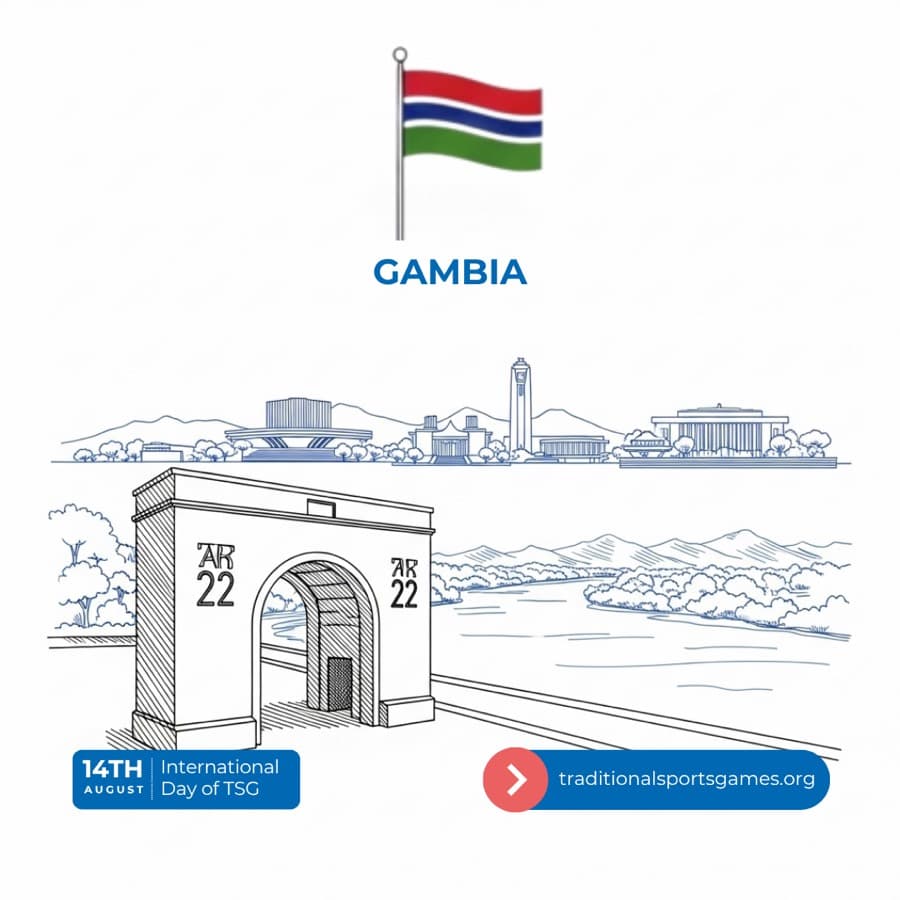
Positions Open with Gambia Chapter 1. Chapter President for GambiaApply Now 2. General Secretary for GambiaApply Now 3. Information & Communications Lead for GambiaApply Now Pre‑Qualification Checklist Benefits & Perks Responsibilities
Based on the 4th UNESCO Collective Consultation on Traditional Sports and Games, held 13–14 August 2018 at Sheraton Grand Istanbul Atasehir, Istanbul, Turkey. See full context in the ICTSG formation article here. Gambia at the 4th UNESCO TSG Consultation (13–14 August 2018) Official Delegation Representative: Hadrammeh Sidibeh, Yahya Al Matarr Jobe (Permanent Delegate in UNESCO) Official Signatory: Minister of Youth and Sports of Gambia, endorsing the formation of the Gambia ICTSG Chapter. Meeting Context Gambia joined over 40 UNESCO Member States in developing strategies to safeguard traditional sports and games. Gambia's delegation showcased its commitment to preserving indigenous West African sporting practices and cultural heritage. Overview of Gambia The Gambia, West Africa’s smallest mainland country, is defined by the Gambia River and bordered by Senegal at all sides but the coast. The nation's culture is steeped in oral history, vibrant festivals, and community sports traditions that reflect its riverine geography and ethnic diversity. Geographic Importance The Gambia River provides fertile watercourses that support traditional fishing techniques and river-based games. Its accessible wetlands and savannah also facilitate martial art practices and communal sports, vital for engaging youth and rural communities in cultural preservation. Traditional Sports of Gambia Gambia’s heritage includes:
N’dato wrestling: A ceremonial form of mud wrestling dating back generations during community festivals. West African stick-fighting: Known locally as “kankurang training”, with roots in Mandinka youth rites of passage. River boat racing: Traditional canoe competitions along the Gambia River.
Gambia’s Contribution to ICTSG Gambia’s delegation advocated for including river‑based and community-based sports in international heritage lists. They emphasized integrating regional traditions into global action plans and helped develop frameworks for ICTSG chapters in smaller nations. Weather & Climate Conditions The Gambia experiences a tropical climate: a wet season (June–October) and a dry season (November–May). Traditional sports adapt to these patterns—river races during the wet season, open-air wrestling and stick-fighting events in the dry season. Understanding this climate is essential to preserving authentic sporting calendars and event planning. UN SDG Alignment Gambia’s traditional sports link with:
SDG 3 (Good Health & Well‑Being): Community sports reduce non-communicable diseases (sdgs.un.org/goals/goal3). SDG 4 (Quality Education): Traditional games educate youth about culture and teamwork (sdgs.un.org/goals/goal4). SDG 11 (Sustainable Cities & Communities): Heritage sportsEngage communities and preserve cultural identity (sdgs.un.org/goals/goal11).
Historical Relevance Traditional Gambia sports are woven into centuries‑old Mandinka, Wolof, and Fula cultural cycles. Stick-fighting was historically part of youth initiations, while mud wrestling celebrated harvest seasons—underpinning the cultural resilience that Gambia brings to ICTSG’s mission. Traditional & Indigenous Games N’dato Wrestling: A muddy, festive competition held during harvest celebrations. Participants wrestle in streamlined, ceremonial bouts reflecting local community cohesion. Stick‑Fighting (Kankurang Training): Practiced by Mandinka initiates to demonstrate strength and cultural knowledge—sticks represent ancestral protection. River Boat Racing: Traditional canoes race on the Gambia River during festive seasons, celebrating fishing heritage and navigation skills.
Get Involved Benefits of Joining Support ICTSG About ICTSG: The International Council of Traditional Sports and Games (ICTSG) is dedicated to preserving, promoting, and revitalizing traditional sports and games as powerful tools for education, peace, and sustainable development.
About Us History
When a sport disappears, it is like a language no longer spoken - its stories, values, and lessons risk being lost forever. When we revive a game, we revive a culture.
Khalil Ahmed Khan - President, ICTSG