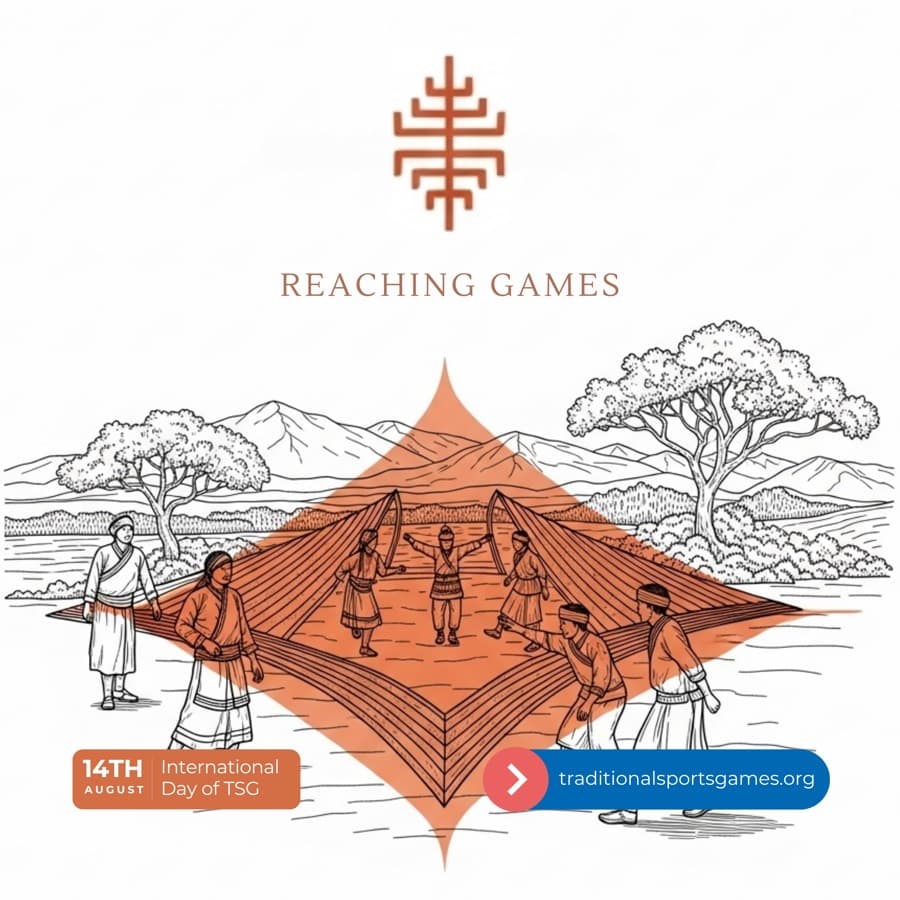
Reaching Games of Circumpolar Indigenous Peoples – Flexibility, Heritage, and Physical Mastery Among the Indigenous peoples of North America’s circumpolar regions, reaching games play a vital role in cultural expression, physical development, and traditional sports and games (TSG) heritage. One of the most iconic examples, the traditional high kick, blends acrobatics, control, strength, and cultural storytelling. These games reflect a unique form of physical artistry recognized by UNESCO as part of our shared intangible cultural heritage. Historical and Cultural Background Rooted in hunting and signaling traditions, reaching games such as the high kick originated as ways to communicate over icy distances. A successful high kick indicated a successful hunt or message for the community. These games evolved into testaments of athletic excellence, cultural continuity, and communal pride. Passed through intergenerational transmission, they are powerful forms of indigenous knowledge and physical storytelling. Popular Forms and Gameplay Rules
Traditional High Kick: The athlete jumps with both feet, kicking a suspended target (often a ball or seal-skin object) and landing on the same foot used for takeoff. One-Foot High Kick: Requires balance, height, and precision. The participant jumps on one foot and kicks the target before landing back on that foot. Two-Foot High Kick: In this version, the athlete jumps with both feet and must land balanced on both feet simultaneously after the kick.
Strategic and Physical Benefits
Improves full-body flexibility and core strength. Enhances coordination, timing, and explosive power. Teaches spatial awareness and balance critical in traditional Arctic lifestyles. Encourages personal goal-setting, precision, and discipline in youth.
Cultural and Educational Significance Reaching games are deeply embedded in social practices and ceremonial events across Inuit, Yupik, and other northern communities. They promote youth empowerment, cultural pride, and inclusive education through school and community-based sport programs. These traditional games serve as dynamic platforms for storytelling, mental strength, and emotional discipline. Community Participation and Impact
Common in Arctic Winter Games and local Indigenous festivals. Support community cohesion by involving youth, elders, and families in training, judging, and celebration. Offer platforms for cultural diversity and civil society engagement through performance and sport.
Alignment with Sustainable Development Goals (SDGs) These practices support global objectives aligned with UNESCO's Sustainable Development Goals:
SDG 4 – Quality Education: Reaching games are part of experiential heritage learning. SDG 5 – Gender Equality: Participation across genders is promoted in inclusive community settings. SDG 10 – Reduced Inequalities: Celebrates Indigenous traditions in national and global forums. SDG 11 – Sustainable Cities and Communities: Preserves ancestral practices that are place-based and community-driven. SDG 16 – Peace, Justice and Strong Institutions: Fosters local sport-based governance and leadership. SDG 17 – Partnerships for the Goals: Encourages collaboration between cultural, educational, and athletic institutions.
Global Parallels – Similar Traditional Games
Silat (Southeast Asia) – Martial performance art requiring control, balance, and flexibility. Korfball (Netherlands) – A mixed-gender, dynamic jumping game enhancing coordination and social inclusion. Aizkolaritza (Basque Country) – Though different in format, it shares the value of bodily discipline and community performance.
Call to Action – Learn, Share, Preserve The Indigenous reaching games of the North are powerful expressions of physical art, identity, and resilience. By integrating them into schools, cultural festivals, and sport training programs, we foster sustainable cultural revival and global health. We invite communities, educators, and heritage leaders to support the preservation, education, and celebration of these unique traditional sports and games. Get Involved Benefits of Joining Support ICTSG About ICTSG: The International Council of Traditional Sports and Games (ICTSG) is dedicated to preserving, promoting, and revitalizing traditional sports and games as powerful tools for education, peace, and sustainable development.
About Us History Contact
When a sport disappears, it is like a language no longer spoken - its stories, values, and lessons risk being lost forever. When we revive a game, we revive a culture.
Khalil Ahmed Khan - President, ICTSG