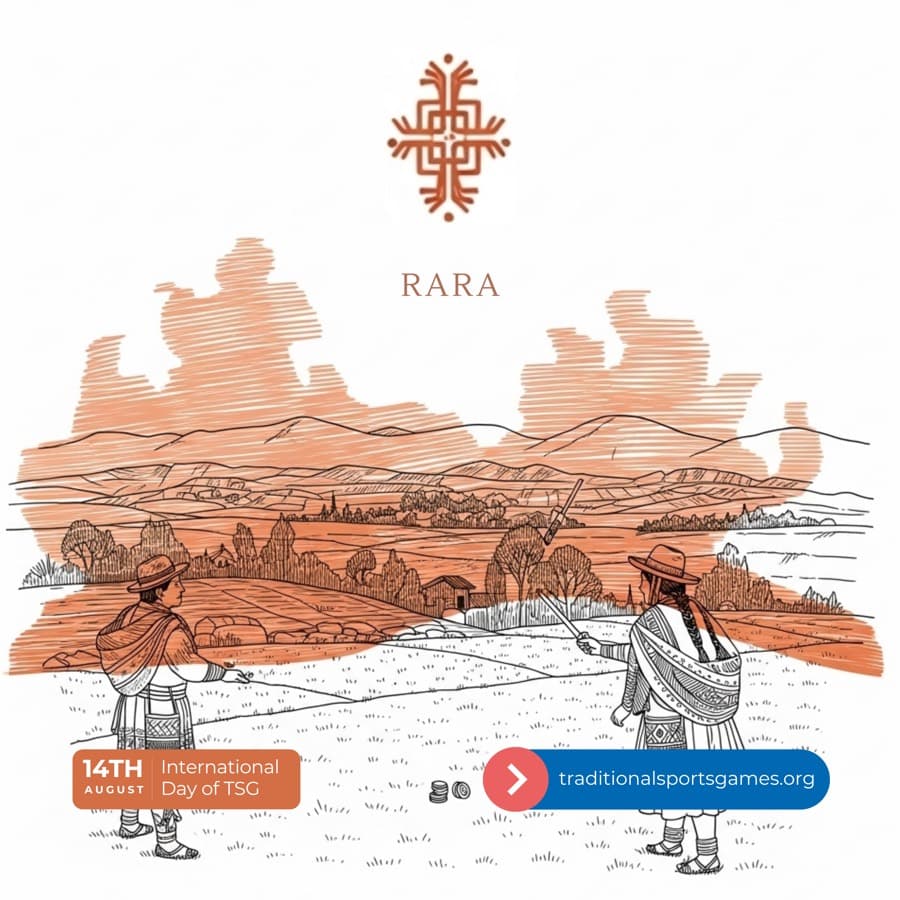
Rana – Colombia’s Traditional Target Game Connecting Generations and Cultures Rana is a traditional target game widely played in Colombia, deeply rooted in both indigenous and colonial-era traditions. As part of Latin America’s vibrant traditional sports and games (TSG), Rana has evolved into a symbol of community participation, cultural diversity, and intergenerational transmission of values. Historical Background and Cultural Roots Believed to have originated from pre-Columbian Andean civilizations and later blended with Spanish colonial recreational practices, Rana has been a recreational and social staple in Colombian towns and villages. Traditionally played in plazas, schools, and family gatherings, Rana embodies intangible heritage and indigenous knowledge. Gameplay Rules and Equipment
Objective: Players aim to toss small metal discs (called "tejos" or "tokens") into holes on a raised board or table, especially aiming for the frog-shaped hole (the “rana”) at the center. Scoring: Points vary based on which hole or container the disc lands in, with the frog offering the highest score. Structure: The game board includes various targets of different sizes and distances to test accuracy and technique. Materials: Made using local wood, brass, and natural finishes, reflecting sustainability and craftsmanship.
Strategic and Educational Benefits
Develops concentration and hand-eye coordination. Promotes inclusive education and social integration among all age groups. Strengthens intergenerational bonds through shared play and cultural storytelling. Encourages civic participation through tournaments and community festivals.
UNESCO-Aligned Cultural Significance As recognized by global initiatives like UNESCO and ICTSG, Rana plays a vital role in safeguarding traditional games and promoting the following Sustainable Development Goals:
SDG 4 (Quality Education): Used in schools to teach focus, numeracy, and respect for heritage. SDG 5 (Gender Equality): Played equally by men, women, and children in rural and urban areas. SDG 10 (Reduced Inequalities): Accessible to all, regardless of socio-economic background. SDG 11 (Sustainable Communities): Reinforces cultural identity and local recreation spaces. SDG 16 (Peace and Justice): Builds community bonds and non-violent conflict resolution through play. SDG 17 (Partnerships): Inspires collaboration among schools, NGOs, and heritage organizations.
Global Parallels and Similar Traditional Games
Bocce – An Italian throwing game fostering social interaction. Pétanque – A French precision sport that shares strategic similarity with Rana. Kabaddi – Though more physical, it also emphasizes teamwork and tradition.
Health, Community, and Social Impact
Enhances mental well-being through focus and mindfulness. Stimulates social practices and performing arts during cultural festivals. Offers a platform for youth empowerment and leadership in local sport clubs. Fosters civil society engagement through inclusive community events.
Call to Action – Let’s Preserve and Promote Rana Rana continues to be a thriving example of how traditional sports can support cultural identity, social unity, and holistic education. Let’s work together to promote Rana and ensure its legacy inspires future generations. Get Involved Benefits of Joining Support ICTSG About ICTSG: The International Council of Traditional Sports and Games (ICTSG) is dedicated to preserving, promoting, and revitalizing traditional sports and games as powerful tools for education, peace, and sustainable development.
About Us History Contact
When a sport disappears, it is like a language no longer spoken - its stories, values, and lessons risk being lost forever. When we revive a game, we revive a culture.
Khalil Ahmed Khan - President, ICTSG