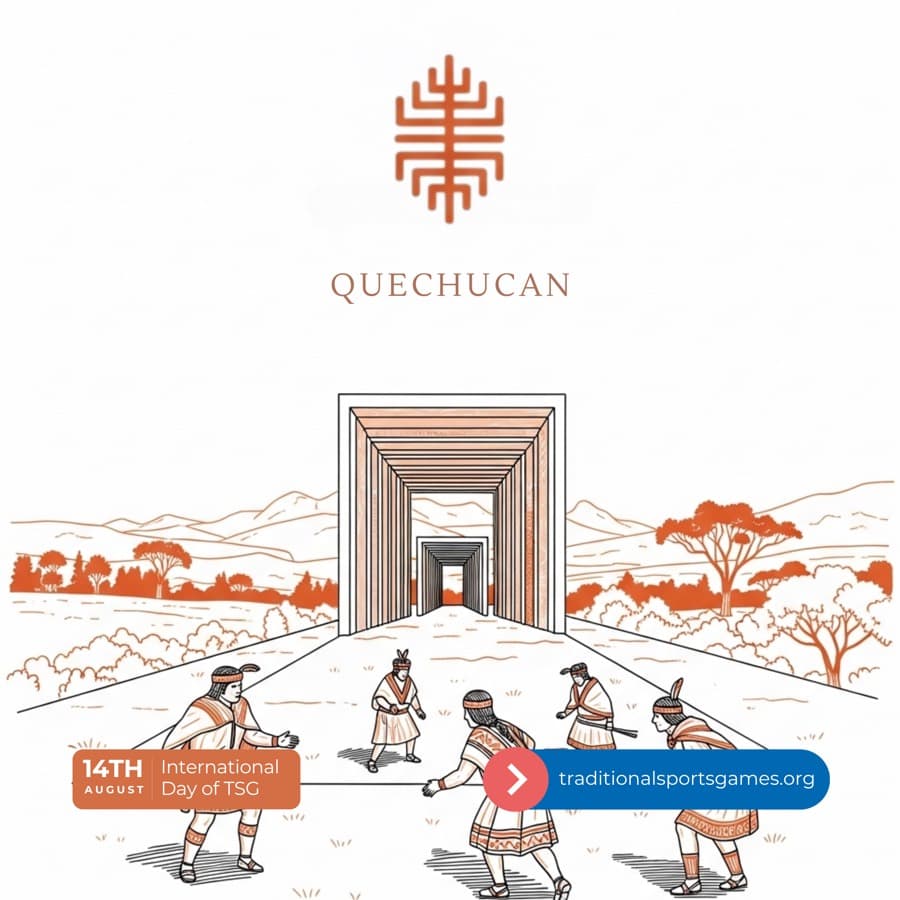
Quechucan – The Traditional Mapuche Ball Game of Chile Reviving Culture and Community Quechucan is a traditional team-based ball game of the Mapuche people of Chile, deeply embedded in the country’s rich indigenous heritage. As one of the notable traditional sports and games (TSG) from South America, Quechucan is a remarkable blend of physical agility, communal participation, and cultural expression, making it a key example of intangible heritage worthy of safeguarding under UNESCO's mission. Historical Roots and Indigenous Significance Quechucan dates back centuries and is rooted in the social practices of the Mapuche civilization. Traditionally played during gatherings and seasonal celebrations, the game functioned as a communal event for intergenerational transmission of values, skills, and spiritual teachings. For the Mapuche, this game not only served as recreation but also represented social harmony and respect for nature. Gameplay and Strategic Elements
Teams: Usually played between two teams of equal numbers, comprising youth and adults. Objective: Using agility and teamwork, players pass and aim to strike the goal area with a soft handcrafted ball. Rules: Physical contact is limited; strategy, speed, and collective coordination are emphasized. Materials: The ball is made using locally sourced natural materials, promoting sustainability.
Cultural and Educational Value Quechucan holds more than recreational value—it is a strong educational tool fostering:
Inclusive education by integrating indigenous sports into school curricula and cultural workshops. Youth empowerment through team-building, responsibility, and leadership skills. Performing arts as many events include music, chants, and traditional attire. Community participation by bringing together elders, children, and local educators.
UNand ICTSG Goals Alignment Quechucan contributes directly to global sustainability and development frameworks by supporting key goals:
SDG 4 (Quality Education): Promotes cultural education and active learning. SDG 5 (Gender Equality): Adaptable versions of Quechucan allow participation across genders. SDG 10 (Reduced Inequalities): Bridges cultural and social divides through heritage inclusion. SDG 11 (Sustainable Cities and Communities): Fosters local heritage-based recreational activities. SDG 16 (Peace, Justice, and Strong Institutions): Builds trust, non-violence, and shared community values. SDG 17 (Partnerships for the Goals): Engages civil society, schools, and NGOs in TSG promotion.
Related Traditional Sports Across the World
Chueca – Another Mapuche stick-and-ball game showcasing indigenous sportsmanship. Ulama – An ancient Mesoamerican ball game rich in ceremonial value. Pallone – A traditional European handball game still played in parts of Italy.
Community Impact and Global Health Benefits
Improves physical and mental health through outdoor movement and social play. Revives indigenous knowledge systems often overlooked in mainstream sports. Empowers local cultural identity and pride among Mapuche youth. Encourages civil society engagement through festivals, community games, and educational inclusion.
Call to Action – Join the Safeguarding Movement Quechucan is not only a game but a vehicle for peace, identity, and cultural sustainability. Let’s ensure that such invaluable traditional sports and games are protected and passed on. Join ICTSG and our global partners in promoting Quechucan and other indigenous heritage practices across the world. Get Involved Benefits of Joining Support ICTSG About ICTSG: The International Council of Traditional Sports and Games (ICTSG) is dedicated to preserving, promoting, and revitalizing traditional sports and games as powerful tools for education, peace, and sustainable development.
About Us History Contact
When a sport disappears, it is like a language no longer spoken - its stories, values, and lessons risk being lost forever. When we revive a game, we revive a culture.
Khalil Ahmed Khan - President, ICTSG