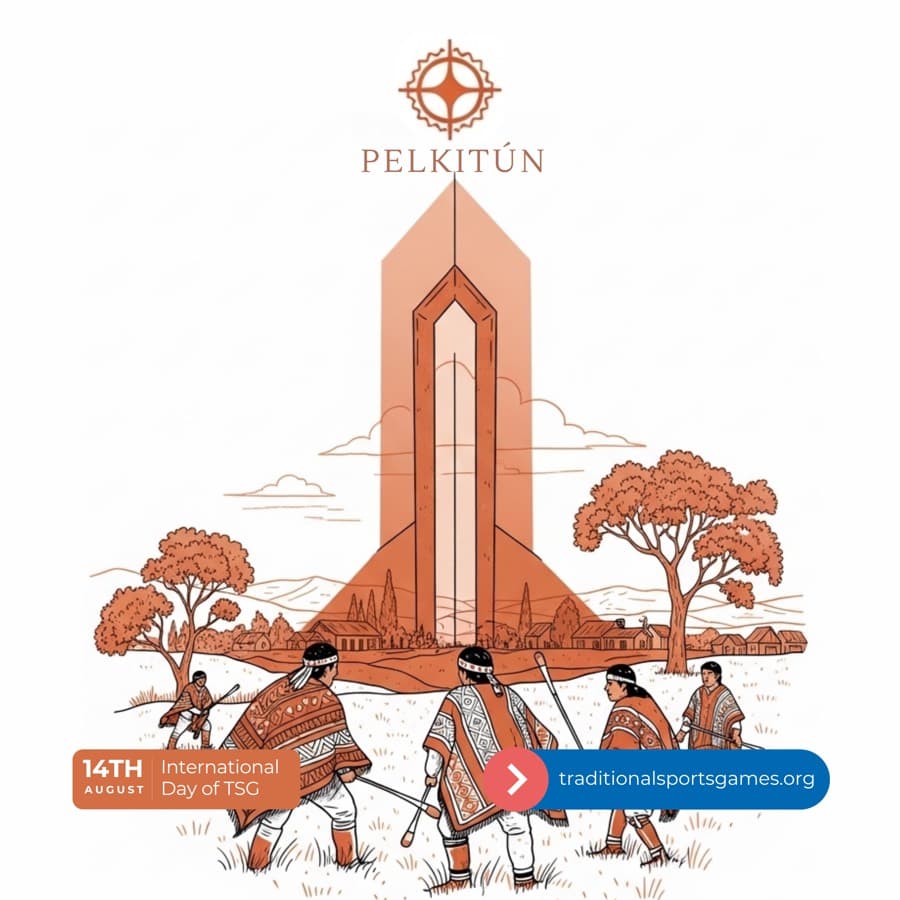
Pelkitun: A Traditional Mapuche Game from Chile Pelkitun is a cherished traditional sport rooted in the cultural practices of the Mapuche people of Chile. Blending elements of agility, physical activity, and community collaboration, Pelkitun exemplifies the enduring vitality of indigenous knowledge and its role in promoting intangible cultural heritage in South America. Recognized by the International Council of Traditional Sports and Games (ICTSG), it serves as a symbol of identity, youth empowerment, and cultural continuity. Historical Background and Origins Pelkitun originates from the rural and ceremonial life of the Mapuche nation, Chile’s largest indigenous group. It was traditionally played during social gatherings, spiritual festivals, and agricultural celebrations. The game emphasizes intergenerational transmission of values and practices, contributing to the safeguarding of Mapuche traditions under UNESCO’s intangible cultural heritage framework. Rules and Gameplay of Pelkitun Pelkitun is a dynamic and collaborative game with variations across different Mapuche communities:
Participants: Typically involves children and youth, sometimes adults join to mentor or guide. Objective: To capture or evade an object or team using agility, speed, and teamwork. Equipment: The game often uses simple natural elements such as sticks, stones, or marked boundaries in outdoor areas. Team-Based: Cooperation and strategy are vital; players must work together to succeed.
Cultural and Educational Significance Pelkitun carries deep cultural importance and offers multiple educational benefits:
Social Practices: Reinforces communal values such as respect, cooperation, and peaceful competition. Educational Value: Transmits cultural narratives, historical knowledge, and indigenous ethics. Inclusive Learning: Promotes participation across genders, age groups, and ability levels.
Strategic and Physical Benefits
Agility Training: Enhances balance, coordination, and physical responsiveness. Team Strategy: Encourages leadership, collaboration, and critical thinking. Health Promotion: Supports global health goals through outdoor activity and stress reduction.
Community Impact and Safeguarding
Cultural Diversity: Highlights the rich identity of the Mapuche and contributes to Chile’s multicultural heritage. Civil Society Engagement: Used in schools, community workshops, and cultural revival projects. Youth Empowerment: Offers a platform for self-expression, cultural pride, and active participation.
UN’s SDGs and Pelkitun Pelkitun contributes to global sustainability and social inclusion through:
SDG 4 – Quality Education: Promotes cultural learning and indigenous literacy. SDG 5 – Gender Equality: Encourages inclusive play irrespective of gender identity. SDG 10 – Reduced Inequalities: Upholds indigenous rights and visibility through traditional sport. SDG 11 – Sustainable Cities and Communities: Reinforces cultural sustainability in rural and urban areas. SDG 16 – Peace and Strong Institutions: Strengthens community ties and peaceful engagement. SDG 17 – Partnerships for the Goals: Connects schools, NGOs, and cultural institutions for heritage education.
Related Traditional Games Worldwide
Pãi da Mão – A Brazilian indigenous game promoting agility and storytelling. Cnapan – A Welsh traditional game involving community team play. Achugao – A traditional Philippine game with community involvement and strategy.
Call to Action Safeguarding Pelkitun is not just about preserving a game—it is about honoring a living heritage that teaches us inclusion, resilience, and peace. Let us support the Mapuche communities in revitalizing this tradition through education, active engagement, and intercultural dialogue. Your participation helps keep indigenous knowledge alive for the future. Get Involved Benefits of Joining Support ICTSG About ICTSG: The International Council of Traditional Sports and Games (ICTSG) is dedicated to preserving, promoting, and revitalizing traditional sports and games as powerful tools for education, peace, and sustainable development.
About Us History Contact
When a sport disappears, it is like a language no longer spoken - its stories, values, and lessons risk being lost forever. When we revive a game, we revive a culture.
Khalil Ahmed Khan - President, ICTSG