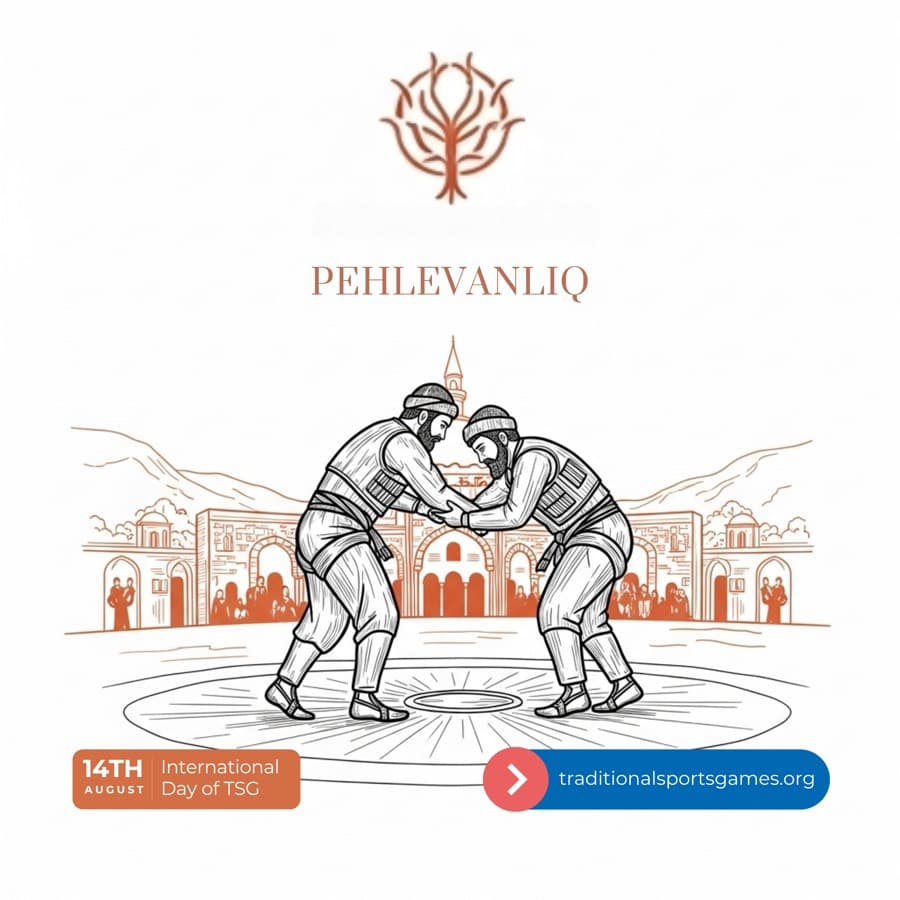
Pehlevanliq: Azerbaijan’s Iconic Zorkhana Strength & Ritual Combat Pehlevanliq is a centuries-old Azerbaijani tradition rooted in zorkhana strength training, wrestling, and ritual performance. It represents indigenous knowledge, intangible heritage, and vibrant traditional sports and games (TSG), recognized by UNESCO to safeguard cultural diversity :contentReference[oaicite:3]{index=3}. Historical & Cultural Background Pehlevanliq dates back to ancient Persian-Azerbaijani culture, celebrating heroes, strength, and community resilience. Traditionally performed in zorkhanas—hero houses—it blends training, wrestling, spiritual recitation, and music for communal bonding :contentReference[oaicite:4]{index=4}. Gameplay, Rituals & Equipment
Performers: Known as pehlevans, training as strongmen and wrestlers. Ritual Tools: Wooden maces, Persian shields, swords, and traditional garments symbolizing martial valor :contentReference[oaicite:5]{index=5}. Settings: Competitions held in zorkhana courtyards under rhythmic drum music. Ritual Elements: Includes chanting, poetry, and choreography — blending layers of performance and spiritual practice.
Cultural Significance & Social Practice Pehlevanliq transcends sport—it is a performing art and spiritual ritual reinforcing gender inclusion and community participation. Through intergenerational transmission, respect, discipline, and heritage are passed from elders to youth. Strategic Aspects & Benefits
Physical & mental strength: Builds discipline, resilience, and health. Inclusive education: Adapted into schools to promote traditional physical literacy. Youth empowerment: Encourages role-modeling, pride, and confidence through heritage performance. Global health: Integrates holistic wellness—exercise, rhythm, culture.
Alignment with UNESCO SDGs
SDG 4: Quality education through experiential heritage learning. SDG 5: Gender-sensitive engagement via community rituals. SDG 10: Supports cultural equity in rural and urban zones. SDG 11: Promotes sustainable cultural heritage conservation. SDG 16: Fosters peaceful community dialogue and respect. SDG 17: Sustains partnerships between local communities and ICTSG.
Related Traditional Games
Tahteeb (Egypt/Sudan) – Ritual stick-fencing with cultural symbolism. Kok Boru (Kyrgyzstan) – Horse-backed national team sport promoting rural cohesion. Silat (Malaysia/Indonesia) – Martial dance forming tactical art and cultural performance.
Call to Action Support the revival and safeguarding of Pehlevanliq: document its rituals, integrate it into physical education and festivals, and empower youth through heritage workshops and community-led zorkhanas with ICTSG’s support. Get Involved Benefits of Joining Support ICTSG
About ICTSG: ICTSG promotes documentation and revival of traditional games like Pehlevanliq, fostering youth engagement, cultural diversity, community-led activities, and inclusive heritage education globally. About Us | History | Contact
When a sport disappears, it is like a language no longer spoken - its stories, values, and lessons risk being lost forever. When we revive a game, we revive a culture.
Khalil Ahmed Khan - President, ICTSG