Positions Open with Nepal Chapter 1. Chapter President for NepalApply Now 2. General Secretary for NepalApply Now 3. Information & Communications Lead for NepalApply Now Pre‑Qualification Checklist Benefits & Perks Responsibilities
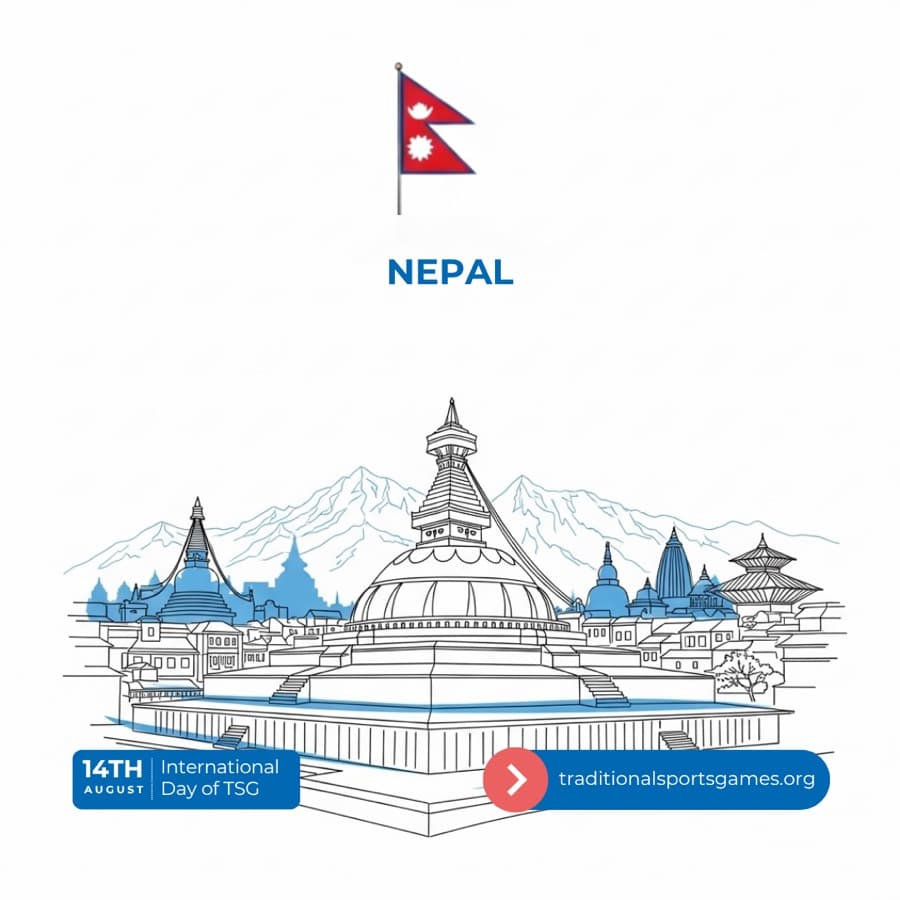
Nepal Chapter: ICTSG Involvement & Heritage Nepal was represented at the 4th Collective Consultation Meeting held 13–14 August 2018 at the Sheraton Grand Istanbul Ataşehir, Istanbul, Turkey. The delegation, led by Ganesh Bhadur Kumar—President of Belt Wrestling—officially endorsed the ICTSG formation, contributing significantly to international recognition of Nepal traditional sports. Overview of Nepal and Its Sports Heritage Nepal is a mountainous nation known for its deep cultural traditions and breathtaking landscapes, from the Himalayas to subtropical Terai plains. The Nepal traditional sports heritage is deeply woven into local and ethnic identities, with indigenous games passed down through generations. Geographic Importance Nepal’s diverse topography—from high-altitude peaks to lush valleys—has shaped unique physical cultures. Mountainous terrain required games that build strength and community cooperation. Nepal’s geographic diversity fosters a wide range of cultural sports traditions across regions. Role in ICTSG’s Formation As President of Belt Wrestling, Ganesh Bhadur Kumar signed and affirmed Nepal’s commitment on behalf of the Belt Wrestling Federation. Nepal’s participation emphasized its dedication to promoting indigenous sports on the global stage, helping embed Nepal traditional sports in ICTSG’s framework and ensuring ongoing transmission of heritage to future generations. Traditional & Indigenous Games of Nepal
Belt Wrestling (Kushti) – A combative sport rooted in rural Nepal, historically practiced during festivals and rites of passage, emphasizing strength and skill. Stone Throw (Shunguk) – Practiced in rural areas as a traditional strength competition at harvest festivals and village events. Archery (Tirānakāri) – An ancient form of marksmanship celebrated in cultural fairs, symbolizing historical defense prowess. Boat Racing – Especially on Terai rivers, reflecting communal cooperation and celebration during monsoon seasons.
Weather & Climate Conditions: Nepal’s climate ranges from alpine cold in the Himalayas to subtropical heat in the south. Winters are dry and cold from December to February; summers bring monsoon rains from June to September. Traditional games like stone throw and belt wrestling thrive during moderate weather and festivals, while monsoon floods limit outdoor activities. The long-term preservation of these sports depends on understanding how seasonal patterns influence participation—planning events during post-monsoon months helps ensure wide engagement and sustainable practice. UN SDG Alignment: The Nepal Chapter aligns with several UN Sustainable Development Goals:SDG 3 – Good Health & Well-Being: promoting physical fitness through indigenous sports.SDG 4 – Quality Education: integrating traditional games in school curriculums.SDG 5 – Gender Equality: encouraging female participation in traditional competitions.SDG 11 – Sustainable Cities & Communities: revitalizing local heritage events and communal bonds. Historical Relevance: Belt wrestling and stone throwing have been integral to Nepal’s ethnic traditions for centuries, used in rites of passage and communal events. These sports symbolize resilience, identity, and values passed down through generations. By joining ICTSG, Nepal ensures these traditions are documented and celebrated globally, fortifying cultural preservation. Through international collaboration, Nepal continues to expand awareness and provide opportunities for its youth to learn and carry forward indigenous sports legacy. Get Involved Benefits of Joining Support ICTSG
About ICTSG: The International Council of Traditional Sports and Games (ICTSG) is dedicated to preserving, promoting, and revitalizing traditional sports and games as powerful tools for education, peace, and sustainable development.
About Us History
When a sport disappears, it is like a language no longer spoken - its stories, values, and lessons risk being lost forever. When we revive a game, we revive a culture.
Khalil Ahmed Khan - President, ICTSG