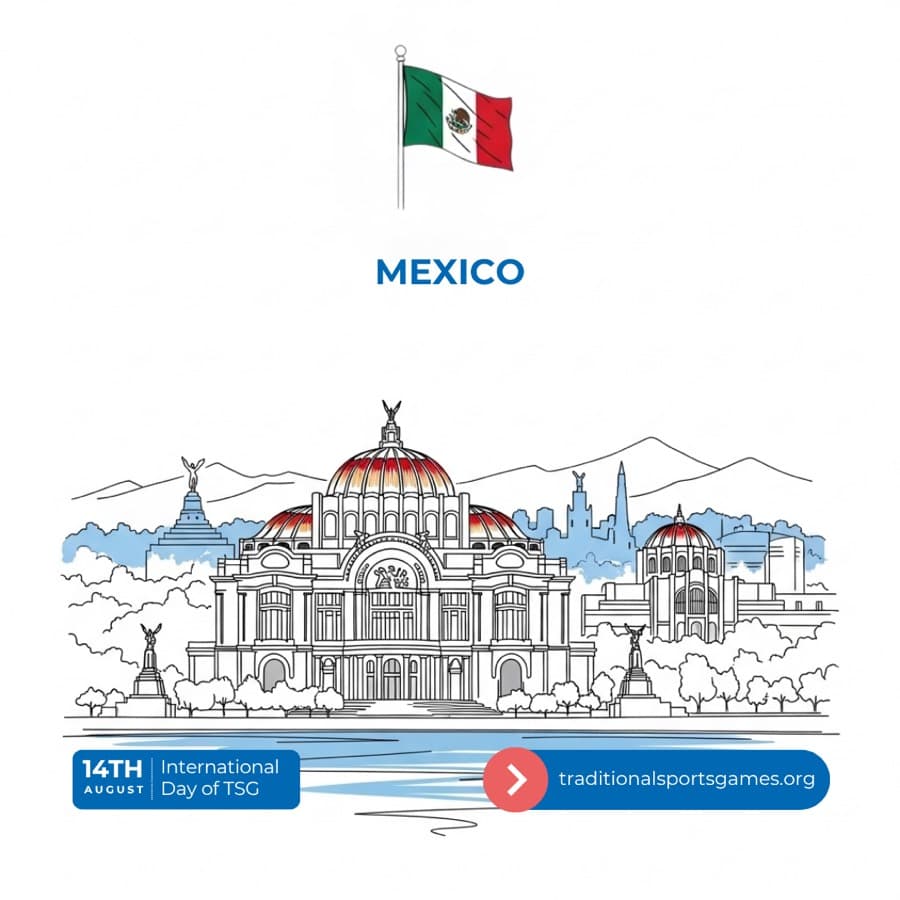
Positions Open with Mexico Chapter 1. Chapter President for MexicoApply Now 2. General Secretary for MexicoApply Now 3. Information & Communications Lead for MexicoApply Now Pre‑Qualification Checklist Benefits & Perks Responsibilities
Mexico Chapter of ICTSG Representation at UNESCO 2018 Consultation On 13–14 August 2018, at the 4th Collective Consultation on Traditional Sports and Games in Istanbul, Mexico was proudly represented by Ms. Ana Claudia Collado García from the Federación Mexicana de Juegos y Deportes Autóctonos y Tradicionales. Her participation and endorsement reaffirmed Mexico’s dedication to preserving and promoting México traditional sports. Overview & Geographic Importance Spanning diverse regions—from Baja California deserts and Sierra Madre highlands to Yucatán’s jungles and Caribbean coast—Mexico’s ecosystems are as varied as its cultural traditions. This diversity fosters a vibrant legacy of México traditional sports, deeply rooted in Indigenous communities like Maya, Náhuatl, Zapotec, and Tarahumara. Traditional & Indigenous Sports in Mexico
Pelota Purépecha: Indigenous ball game once used in ceremonial contests in Michoacán. Ulama: One of the oldest Mesoamerican ball games, played with rubber balls dating back 3,500 years. Charrería: Mexican rodeo with equestrian disciplines, symbolizing national identity. Tlachiquería: Traditional stick games from central highlands, part of community festivals.
These sports embody Mexico’s vibrant heritage, blending pre-Hispanic origins with rural customs and modern revival efforts. Mexico’s Role in ICTSG Formation Mexico’s delegate introduced centuries-old Indigenous sporting traditions into UNESCO discussions, advocating for cultural authenticity and community participation. This enriched ICTSG’s framework, ensuring Mesoamerican games are recognized alongside other global traditions. Weather & Climate Conditions Mexico’s climates range from arid north to humid tropics and temperate central valleys. Seasonal weather supports traditional sport events—from autumnal Pelota Purépecha in cooler highlands to summer Ulama matches in warm coastal zones. Climate shapes training calendars, festival timings, and preservation strategies across regions. UN SDG Alignment Mexican traditional sports align with: SDG 3 Good Health and Well‑being – encouraging physical fitness through traditional games; SDG 4 Quality Education – integrating cultural sports into school curricula; SDG 11 Sustainable Cities and Communities – preserving Indigenous traditions in urban planning festivals. Historical Relevance & Cultural Legacy With roots in Mesoamerican civilizations, Mexico’s traditional games are foundational to cultural identity. Reviving sports like Ulama and Pelota Purépecha fosters intergenerational knowledge transmission. ICTSG advocacy ensures academic interest, government support, and community engagement preserve this rich heritage. Featured Indigenous & Traditional Games
Pelota Purépecha: A ceremonial ball game from the Purépecha people, using hardened rubber balls and ancient roots. Ulama: Dating back to the Olmec and Maya, this ball game embodies ritual, sport, and social cohesion. Charrería: A modern symbol of national pride, combining horsemanship, tradition, and spectacle. Tlachiquería: Community stick games with ancestral lineage, often played during festivities.
Get Involved Benefits of Joining Support ICTSG About ICTSG: The International Council of Traditional Sports and Games (ICTSG) is dedicated to preserving, promoting, and revitalizing traditional sports and games as powerful tools for education, peace, and sustainable development.
About Us History
When a sport disappears, it is like a language no longer spoken - its stories, values, and lessons risk being lost forever. When we revive a game, we revive a culture.
Khalil Ahmed Khan - President, ICTSG