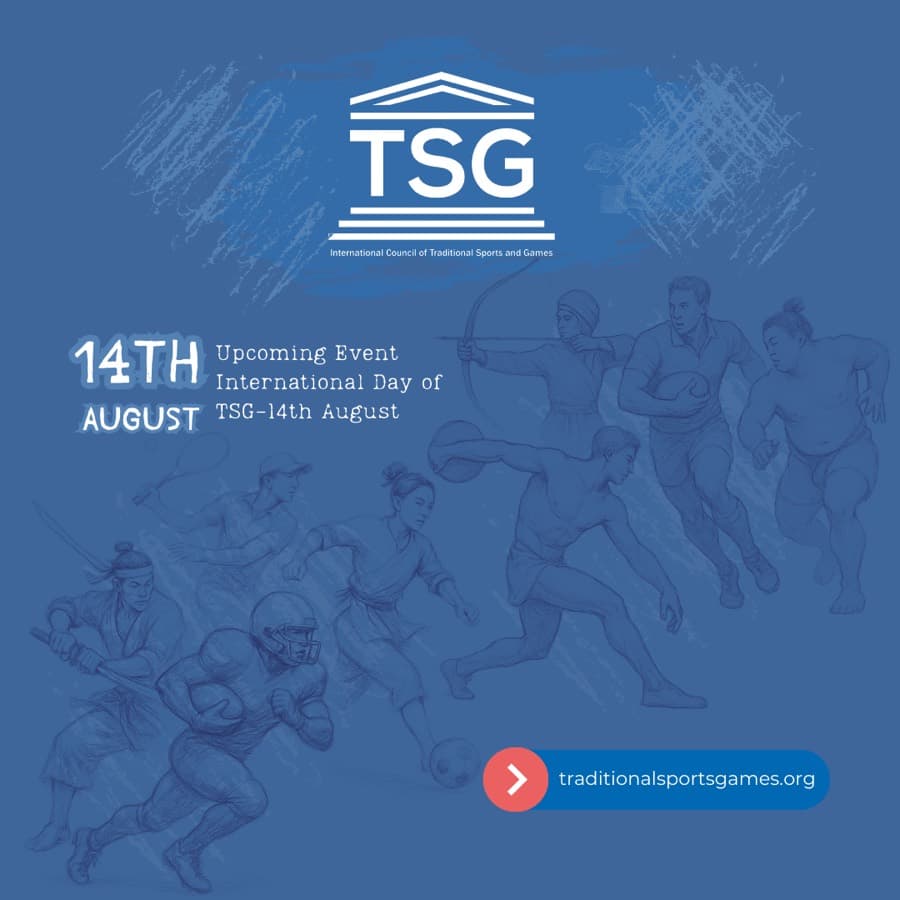
What is the Authority of ICTSG in the Global Context? The International Council of Traditional Sports and Games (ICTSG) holds a unique and significant position in the global cultural heritage and sports ecosystem. With consultative status and support from UNESCO's Member States, ICTSG operates as a central policy-influencing and coordinating platform to safeguard Traditional Sports and Games (TSGs). This global authority enables ICTSG to engage with governments, non-governmental organizations, academic bodies, and cultural institutions to elevate TSGs to their rightful place within modern society. 1. The Legal and Institutional Mandate of ICTSG ICTSG is not merely a promotional entity—it is a recognized international council established through UNESCO-guided resolutions and mandates. The Council operates within the framework of the 2003 UNESCO Convention for the Safeguarding of Intangible Cultural Heritage and is committed to:
Policy recommendation and advocacy Documentation and preservation of TSGs Capacity building for stakeholders International collaboration and diplomacy
Through these mechanisms, ICTSG carries institutional weight to influence national and global decision-making in favor of TSGs. 2. ICTSG’s Consultative Role with UNESCO As a body advised and supported by UNESCO's Member States and Permanent Delegates, ICTSG serves as a external body from UNESCO in matters of traditional sports and intangible heritage. This includes:
Providing expert input into UNESCO’s cultural policies Supporting the inscription of TSGs in national and global heritage registers Contributing to key global frameworks such as MINEPS (Ministerial Conference on Physical Education and Sport)
This relationship allows ICTSG to function not just as a cultural entity, but as a diplomatic and strategic body that shapes global norms around traditional sports. 3. Global Coordination and Influence ICTSG coordinates activities across continents, establishing a bridge between heritage preservation and sport promotion. Through its programs and interventions, ICTSG works with:
Member States of UNESCO and national ministries. National federations and international traditional sports bodies. Universities and academic researchers Community-based organizations and local heritage groups
ICTSG's network enables it to harmonize efforts globally—creating policy coherence, knowledge-sharing platforms, and event coordination among diverse stakeholders. 4. Instruments of Influence and Soft Power a) Policy Papers and Guidelines. ICTSG regularly produces strategic documents, toolkits, and guidelines to advise member countries on integrating TSGs into:
Educational curricula Public health and wellness strategies Tourism and cultural exchange programs
b) Capacity Development. Through workshops, training seminars, and leadership programs, ICTSG empowers:
Teachers and physical education professionals Heritage and sports administrators Youth and women leaders
c) High-Level Forums and Advocacy Events ICTSG hosts and participates in international events including:
Traditional Sports and Games World Forums Ministreial Round Table Conferences Regional heritage symposiums SDGs-based cultural policy conferences
These gatherings strengthen the global dialogue on preserving TSGs and position ICTSG as a leading thought leader. 5. Global Legitimacy ICTSG legitimacy, visibility, and access to the global stage. ICTSG serves as:
The primary liaison body between traditional sports custodians and intergovernmental institutions An international voice for underrepresented and endangered traditional practices A recognized platform for policy incubation and global strategy
6. ICTSG's Impact in Practice Examples of ICTSG’s real-world authority include:
Leading TSG database development and heritage registration in over 80 countries Advising ministries of education and sport on TSG curriculum integration Supporting documentation and digital archiving of traditional games in Asia, Africa, and Latin America Driving multi-national participation in TSG awareness weeks and global celebration days
7. How Institutions Engage with ICTSG Governments and organizations often seek ICTSG's consultative guidance to:
Conduct national surveys on TSGs Develop heritage-based sports festivals Design inclusive and sustainable policy models Access ICTSG-endorsed funding or training programs
Contact the ICTSG Secretariat to learn more about engagement opportunities. As a consultative, diplomatic, and coordinating authority, the International Council of Traditional Sports and Games (ICTSG) holds a vital role in the global cultural and policy landscape. With backing from UNESCO and an expansive network of member states and institutions, ICTSG is not only preserving traditions but also shaping the future of sport, heritage, and sustainable development. Its authority is one of both credibility and action—anchoring traditional games as living expressions of humanity's diverse cultures. 🌐 Discover more about ICTSG’s global work at traditionalsportsgames.org
When a sport disappears, it is like a language no longer spoken - its stories, values, and lessons risk being lost forever. When we revive a game, we revive a culture.
Khalil Ahmed Khan - President, ICTSG