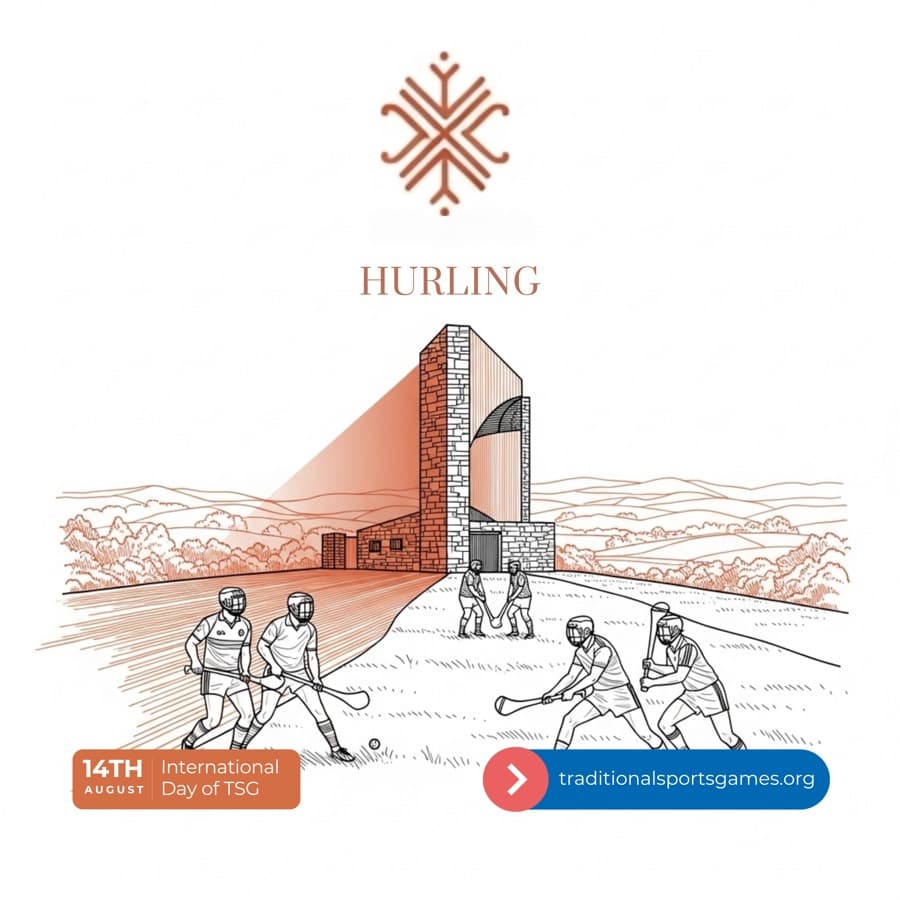
Hurling – Ireland’s Ancient Stick-and-Ball Game Hurling is one of Europe’s oldest traditional sports and games (TSG), deeply rooted in Ireland’s cultural identity. Originating over 3,000 years ago, this ancient stick-and-ball field game continues to thrive through passionate community participation and intergenerational transmission. Historical Background With origins dating back to Celtic mythology, Hurling was mentioned in Irish legends like the Táin Bó Cúailnge, highlighting its prominence in both warfare and recreation. It is widely considered the world's oldest and fastest field game, symbolizing resilience and cultural pride. Gameplay and Rules
Players use a wooden stick called a hurley to hit a small ball known as a sliotar. The objective is to strike the ball over the crossbar for 1 point or under it into a net guarded by a goalkeeper for 3 points. Teams consist of 15 players, playing on a rectangular field with H-shaped goals. The game emphasizes speed, hand-eye coordination, and strategy.
Cultural and Strategic Significance Hurling embodies Ireland’s intangible cultural heritage and continues to be safeguarded by local clubs, schools, and civil society. The sport represents more than physical competition; it is a form of performing art, social practice, and cultural tradition passed from generation to generation. Educational Value and Benefits
Encourages inclusive education through community coaching and school programs. Promotes youth empowerment and physical well-being. Fosters gender equality and teamwork across all ages and abilities. Develops critical thinking, leadership, and cultural appreciation in participants.
Global Health and Community Engagement Hurling contributes to global health and sustainable development goals (SDG 3 & SDG 11) by encouraging physical activity and strengthening local communities. Civil society engagement through Hurling festivals and matches reinforces cultural pride and national unity in a globalized world. Connections to Other Traditional Games Hurling shares similarities with Shinty (Scotland) and Aizkolaritza (Spain), showcasing the interconnectedness of European TSGs. These traditional practices preserve indigenous knowledge and contribute to the safeguarding of heritage worldwide. Alignment with UNESCO’s SDGs
SDG 4: Quality education through culturally inclusive sports programs. SDG 5: Gender equality through equal access and participation. SDG 10: Reducing inequalities via rural and urban engagement in heritage sports. SDG 11: Sustainable communities through cultural preservation and local pride. SDG 16: Peace and justice through inter-community collaboration. SDG 17: Partnerships in safeguarding through ICTSG and UNESCO support.
Call to Action Preserving traditional games like Hurling strengthens our shared cultural fabric. You can help safeguard this heritage by participating, educating others, and becoming part of the global TSG movement. Get Involved Benefits of Joining Support ICTSG
About ICTSG The International Council of Traditional Sports and Games (ICTSG) is dedicated to safeguarding and promoting indigenous sports, fostering cultural diversity, and advancing UNESCO’s vision of inclusive, sustainable development. About Us History Contact
When a sport disappears, it is like a language no longer spoken - its stories, values, and lessons risk being lost forever. When we revive a game, we revive a culture.
Khalil Ahmed Khan - President, ICTSG