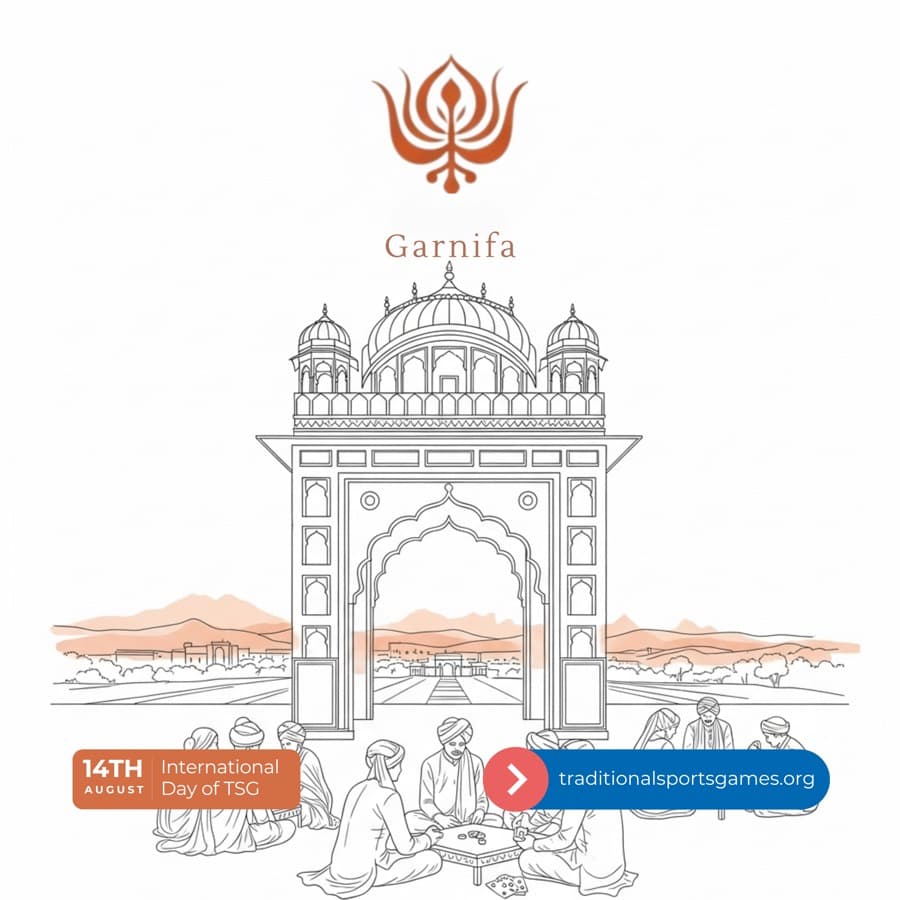
Ganjifa: A Historic Persian and Indian Card Game Ganjifa is a **traditional Persian card game** that later became a significant part of **Indian culture**, particularly under the **Mughal Empire**. The game features **hand-painted circular or rectangular cards**, often depicting **mythological, royal, or symbolic themes**. Historical Background Ganjifa originated in **Persia**, where it was played among nobility. The name derives from the **Persian word "ganj"**, meaning **treasure**. The game was introduced to **India** through cultural exchanges and flourished under **Mughal patronage**, evolving into an **artistic tradition**. Gameplay and Rules
Played with **hand-painted decks**, often featuring **12 or 8 suits**. Each suit contains **10 pip cards and two court cards** (King and Minister). Players aim to **win tricks and accumulate points** based on card values. Different regional variations exist, including **Dashavatara Ganjifa**, inspired by Hindu mythology.
Cultural Significance Ganjifa is more than a game—it is a **symbol of Persian and Indian artistic heritage**. It fosters **intergenerational transmission, youth empowerment, and community participation**. Strategic Aspects and Benefits
Enhances **memory, strategy, and artistic appreciation**. Promotes **cultural pride and heritage preservation**. Encourages **social bonding and intellectual engagement**.
Educational Value and Community Impact Aligned with **UNESCO’s Sustainable Development Goals (SDG 4, 5, 10, 11, 16, and 17)**, Ganjifa supports **inclusive education, social practices, and global health initiatives**. Similar Traditional Games Explore other traditional card games like Dashavatara Ganjifa and Mamluk Cards, which share similar artistic and strategic elements. Call to Action Join the movement to preserve Ganjifa and other traditional games. Engage with ICTSG and support cultural heritage. Get Involved Benefits of Joining Support ICTSG About ICTSG: The International Council of Traditional Sports and Games (ICTSG) is dedicated to preserving, promoting, and revitalizing traditional sports and games as powerful tools for education, peace, and sustainable development.
About Us History Contact
When a sport disappears, it is like a language no longer spoken - its stories, values, and lessons risk being lost forever. When we revive a game, we revive a culture.
Khalil Ahmed Khan - President, ICTSG