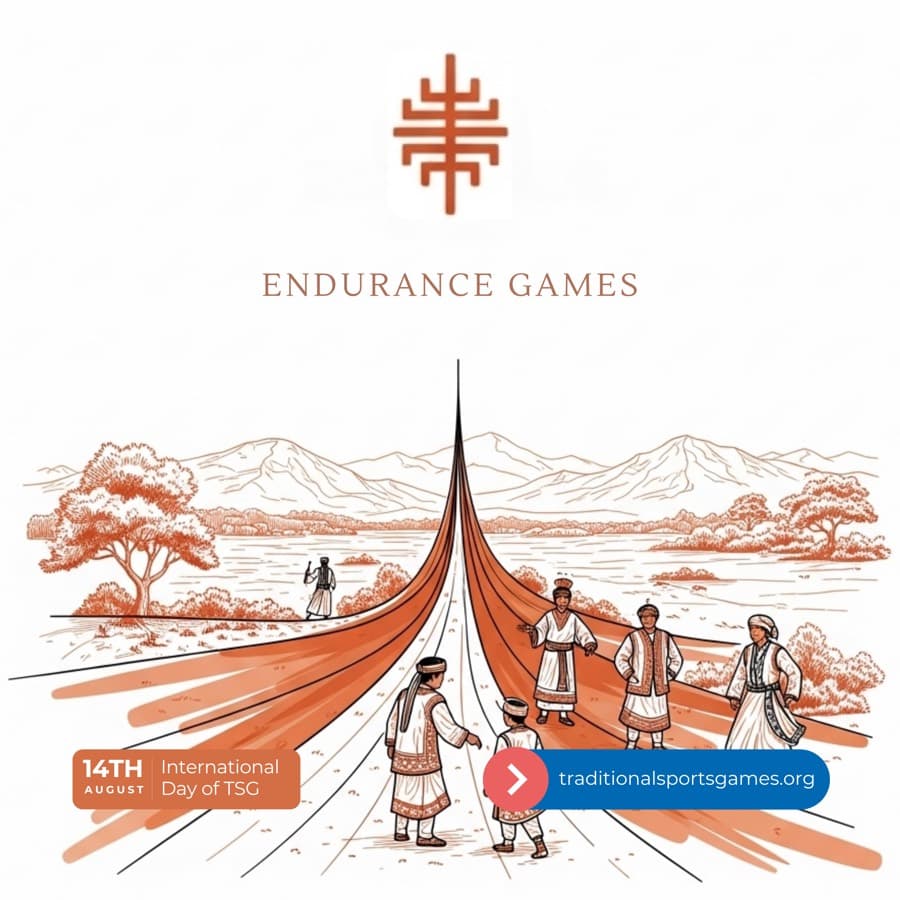
Endurance Games of Circumpolar Indigenous Peoples – Traditional Fitness and Resilience Practices Among the Indigenous communities of North America's circumpolar regions, endurance games have long been used to develop strength, discipline, and survival readiness. These games—such as knuckle hop, airplane planking, foot racing, and hopping contests—are not just physical tests but essential tools for teaching resilience, community values, and cultural identity. They are central to traditional sports and games (TSG) recognized by UNESCO and supported globally for their value in safeguarding intangible heritage. Historical Background Endurance games emerged as a way to prepare young people for the physically demanding lifestyles of the Arctic. Whether crossing vast snowy terrains or enduring the silence and stillness required for hunting, these games helped train bodies and minds to withstand extreme conditions. Passed down across generations, they preserve indigenous knowledge and foster intergenerational transmission. Gameplay and Variants
Knuckle Hop: A physically demanding game where participants hop forward on their knuckles and toes, mimicking the low crawling position of a hunter. Airplane Planking: One person lies stiff as a plank supported by the arms of two others, holding their position for as long as possible. Foot Racing: Sprints across snow, ice, or gravel, promoting speed, rhythm, and cardiovascular endurance. Hopping Games: Includes one-leg hopping races and hop-tag, improving leg strength and balance.
Cultural Significance These games are more than sport—they are social practices that connect individuals to their ancestors, environment, and community. Each movement embodies teachings of respect for nature, personal limits, and the responsibility to the group. They promote values like perseverance, mental focus, and collective celebration during cultural festivals or seasonal gatherings. Strategic and Physical Benefits
Develops physical strength, cardiovascular health, and muscular endurance. Builds mental toughness, breath control, and pain tolerance in safe, structured settings. Instills teamwork, timing, and strategic movement skills applicable in daily survival and hunting scenarios.
Educational and Community Impact
Endurance games are increasingly included in schools and youth camps across Indigenous communities as part of inclusive education. Encourages youth empowerment by giving young people culturally relevant pathways to fitness and identity building. Fosters community participation through seasonal events and inter-village competitions, promoting unity and pride.
Contribution to Sustainable Development Goals (SDGs) These games align closely with several UN-aligned SDGs:
SDG 4 – Quality Education: TSGs serve as tools for experiential and culturally grounded learning. SDG 5 – Gender Equality: Adapted versions of games ensure inclusive participation of girls and women. SDG 10 – Reduced Inequalities: Elevates Indigenous voices and practices in global sports discourse. SDG 11 – Sustainable Cities and Communities: Helps preserve intangible cultural heritage within urban and rural Indigenous areas. SDG 16 – Peace, Justice and Strong Institutions: Supports structured, peaceful engagement and traditional knowledge-based governance. SDG 17 – Partnerships for the Goals: Encourages collaboration between communities, educational institutions, NGOs, and global heritage bodies.
Similar Traditional Games Around the World
Kabaddi (South Asia) – A physical endurance sport focused on breath control and resistance. Aikido (Japan) – While a martial art, it emphasizes stamina, body alignment, and control. Atlı Cirit (Turkey) – Combines endurance with horseback combat skills.
Call to Action – Preserve and Participate The endurance games of the circumpolar Indigenous peoples hold valuable lessons for today’s world—on physical health, cultural pride, and sustainability. We call upon educational institutions, community leaders, sports councils, and individuals to learn about, teach, and participate in these heritage-based practices. Join the growing movement to preserve, celebrate, and revive traditional sports and games globally. Get Involved Benefits of Joining Support ICTSG About ICTSG: The International Council of Traditional Sports and Games (ICTSG) is dedicated to preserving, promoting, and revitalizing traditional sports and games as powerful tools for education, peace, and sustainable development.
About Us History Contact
When a sport disappears, it is like a language no longer spoken - its stories, values, and lessons risk being lost forever. When we revive a game, we revive a culture.
Khalil Ahmed Khan - President, ICTSG