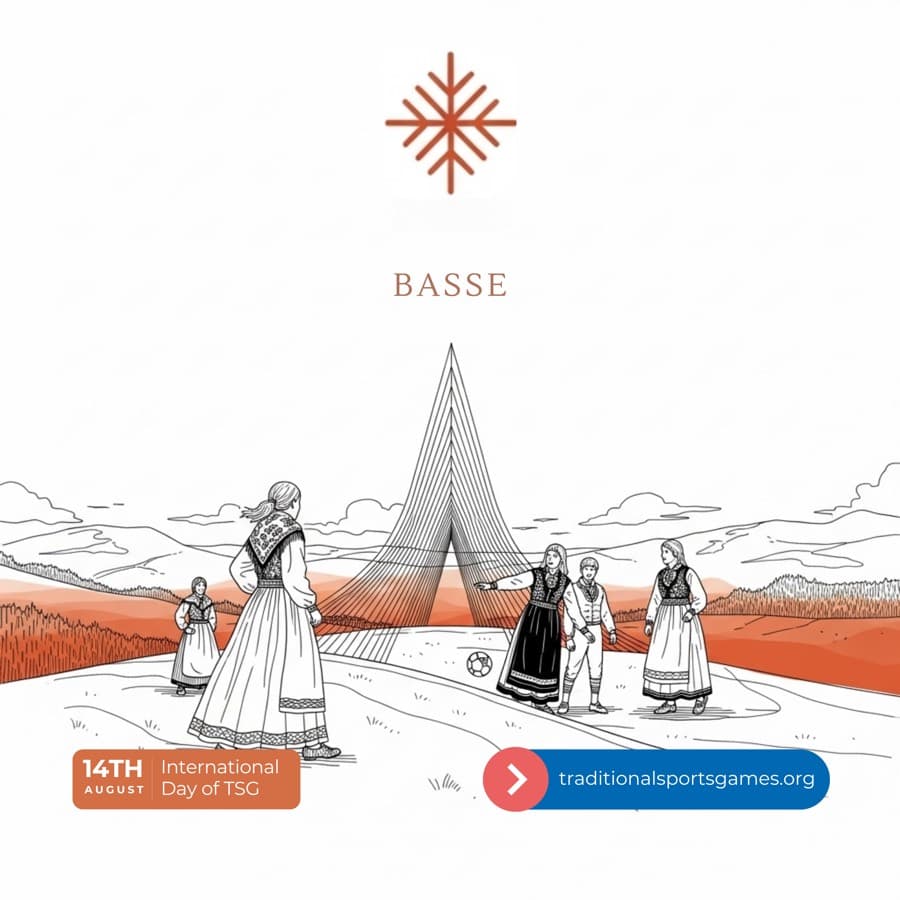
Basse: Norway’s Traditional Card Game as Intangible Cultural Heritage Basse, a traditional card game originating from Norway, is a unique blend of leisure, mental strategy, and communal bonding. As part of Europe’s rich tapestry of traditional sports and games (TSG), Basse holds a valuable place in intangible cultural heritage. Its preservation supports ICTSG’s global mission and the wider goals of UNESCO to foster peace, education, and cultural diversity. Historical Background With roots tracing back centuries in Norwegian towns and rural communities, Basse was more than just entertainment—it was a social ritual. Often played during long winters, Basse became a staple in social practices, encouraging intergenerational transmission of knowledge and family storytelling traditions. Gameplay and Rules
Traditionally played using a local variation of a standard card deck, often hand-made in older generations. Game variations exist between communities, but it typically involves quick decision-making and rule-based bluffing. Usually played in groups of 3 to 6 participants. Emphasizes fair play, strategy, and social interaction over gambling.
Cultural Significance Basse is emblematic of Norwegian communal life. Played in homes, local gatherings, and festivals, it reflects values of equality, inclusion, and respect. By fostering interaction between generations and genders, Basse functions as an accessible platform for cultural continuity, youth empowerment, and local identity reinforcement. Educational and Strategic Value
Mental Agility: Encourages critical thinking and quick mathematical assessments. Inclusive Education: Serves as a teaching tool for logic, rules, and collaboration. Life Skills: Promotes negotiation, patience, and resilience. Cross-generational Learning: Facilitates inclusive and accessible heritage transmission.
Community and Global Impact Basse supports civil society engagement by creating social spaces that encourage community storytelling and cultural reflection. Through ICTSG, its recognition contributes to the fulfillment of several UNESCO Sustainable Development Goals:
SDG 4: Quality Education through cultural learning activities SDG 5: Gender Equality by inclusive participation SDG 10: Reduced Inequalities via intercultural inclusion SDG 11: Sustainable Cities and Communities through local games SDG 16: Peace, Justice, and Strong Institutions via equitable play SDG 17: Global Partnerships through traditional game networks
Basse connects with other traditional European games such as Balle au Tambourin (France) and Asparezoba (Georgia), offering a comparative perspective on cultural play. Call to Action Preserving Basse is essential for celebrating Norway’s cultural past while inspiring new generations. Join the global movement to safeguard traditional games and contribute to a more inclusive, peaceful, and culturally enriched world. Get Involved Benefits of Joining Support ICTSG About ICTSG: The International Council of Traditional Sports and Games (ICTSG) is dedicated to preserving, promoting, and revitalizing traditional sports and games as powerful tools for education, peace, and sustainable development.
About Us History Contact
When a sport disappears, it is like a language no longer spoken - its stories, values, and lessons risk being lost forever. When we revive a game, we revive a culture.
Khalil Ahmed Khan - President, ICTSG