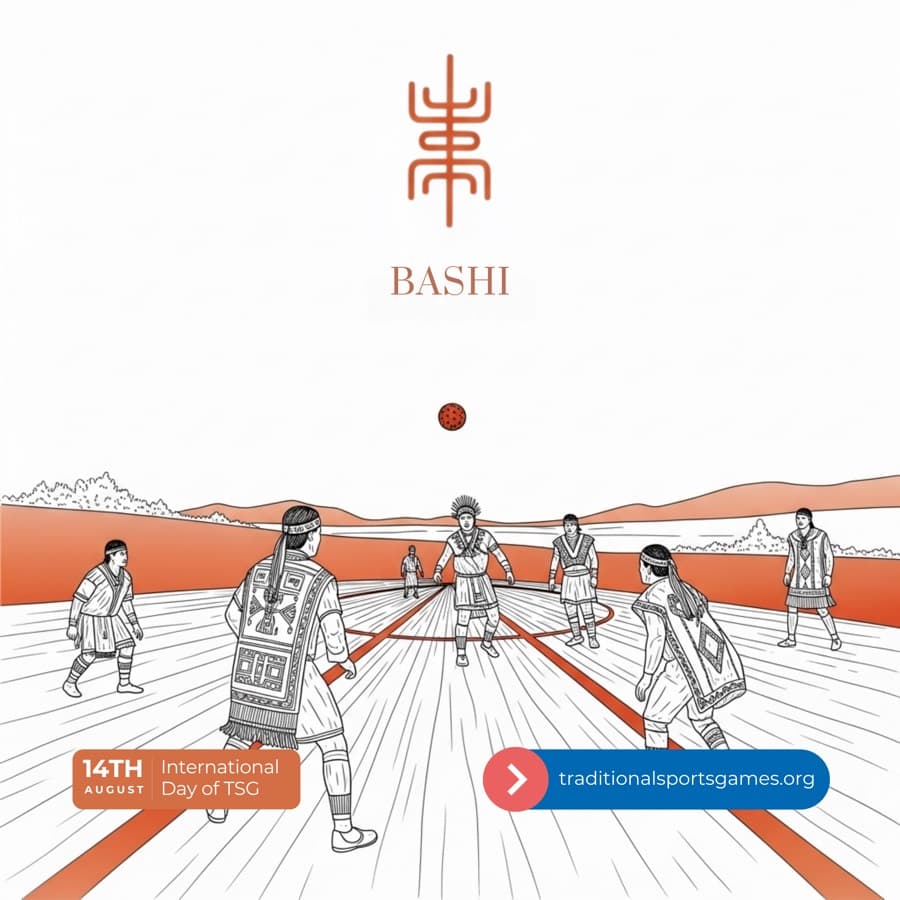
Bashi: Rediscovering the Maldives’ Women’s-Only Sand Court Tradition & Cultural Resilience Bashi is a women’s-only traditional sand court game deeply rooted in Maldivian social life and indigenous knowledge :contentReference[oaicite:3]{index=3}. Once the national pastime, Bashi offers a powerful example of intangible cultural heritage nurtured through inclusive play and community storytelling. Historical & Cultural Background Bashi originated as a simple sand-court game among island communities. Played mainly on festive evenings and national holidays by women and girls, it symbolized female empowerment, skill-sharing, and social bonding across generations :contentReference[oaicite:4]{index=4}. Gameplay Rules & Equipment
Teams: 7–11 women per side; match split into two innings. Court: Sand court with a central net—players serve the ball over the head and net. Ball & Rackets: Traditionally coconut-leaf balls and wooden rackets; now often tennis balls and rackets :contentReference[oaicite:5]{index=5}. Scoring: Each pitcher serves up to 12 times; catches eliminate servers; bonus awarded for clean innings.
Cultural Significance & Social Practice Bashi is more than sport—it’s a performing art in community gatherings. It sustains intergenerational transmission, as elders teach younger players, reinforcing social cohesion, shared identity, and women’s visibility in traditional spaces. Strategic Aspects & Benefits
Coordination & timing: Serves and catches demand agility, reflexes, and strategic positioning. Empowerment: A female-led sporting environment enhances confidence and leadership among participants. Global health: Encourages physical activity and healthy lives, especially for women. Inclusive education: Fosters learning through communal play, mentoring, and cultural exchange.
Alignment with UN's SDGs
SDG 4: Quality education through heritage-based play. SDG 5: Promotes gender equality via women's sports. SDG 10: Reduces inequalities—accessible to island women. SDG 11: Sustains local cultural identity in Maldives communities. SDG 16: Builds peaceful communal gatherings. SDG 17: Encourages partnerships with ICTSG, educators, and local councils.
Community Impact & Resilience Bashi strengthens women’s roles in community life, preserving cultural resilience and social bonds through music, conversation, and play, especially meaningful in island settings. Similar Traditional Sports
Baibalaa (Maldives) – Another women’s team sport played outdoors :contentReference[oaicite:6]{index=6} Bashi vs. Bando (Myanmar) – Two racket sports rooted in community tradition Ball Badminton (India) – Indian racquet sport with similar court play :contentReference[oaicite:7]{index=7}
Call to Action Support Bashi’s revival in schools and women's leagues—join ICTSG to document its rules, promote its practice at festivals, and empower Maldivian women through heritage sport. Get Involved Benefits of Joining Support ICTSG
About ICTSG: ICTSG works globally to document and revive traditional sports like Bashi, fostering gender equity, cultural diversity, and community empowerment through participatory heritage-based play. About Us | History | Contact
When a sport disappears, it is like a language no longer spoken - its stories, values, and lessons risk being lost forever. When we revive a game, we revive a culture.
Khalil Ahmed Khan - President, ICTSG