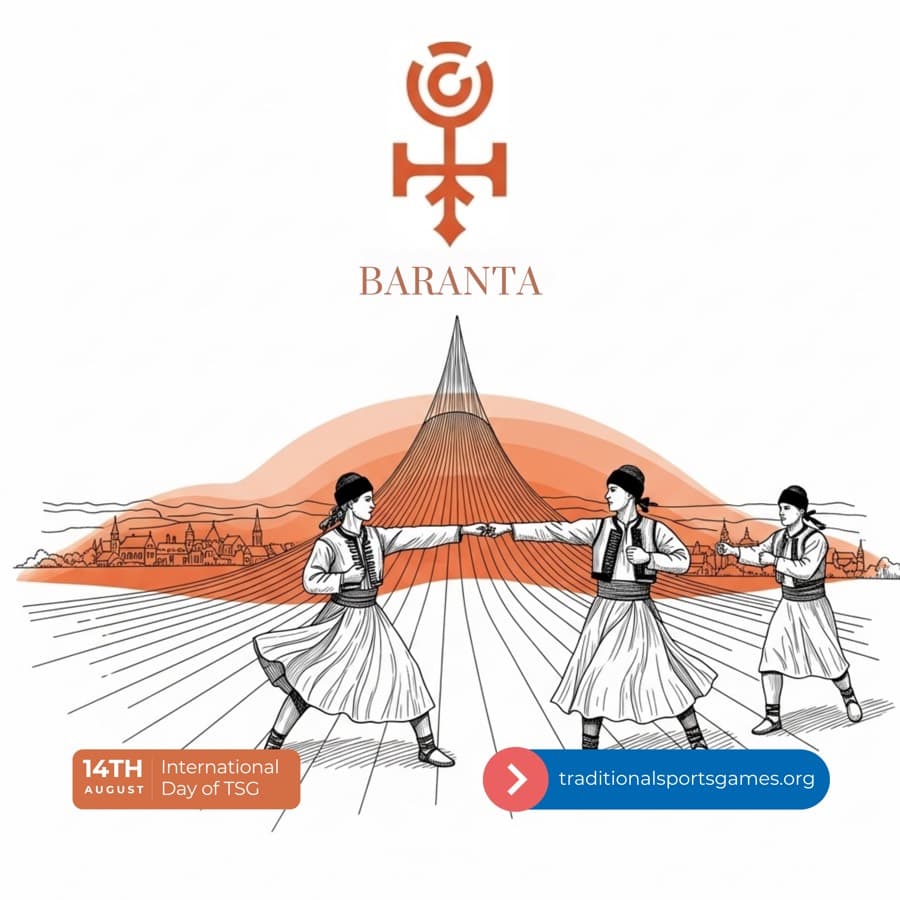
Baranta – Hungary’s Traditional Martial Art of Combat Heritage Baranta is a traditional Hungarian martial art that revives ancient combat techniques using native weapons, strategic movement, and ritual practice. As a remarkable expression of traditional sports and games (TSG), Baranta bridges indigenous knowledge and intangible heritage through physical training and cultural education. Historical Background Rooted in Hungary’s medieval warrior traditions, Baranta reflects centuries of Hungarian resistance, discipline, and spiritual martial training. It was historically practiced by Hungarian tribes as both combat preparation and a rite of passage. Revived in the 20th century, it now flourishes as a modern heritage practice. Gameplay and Training Rules
Focuses on close- and long-range combat, unarmed and with traditional weapons (bows, sabres, whips, axes). Includes forms, drills, and duels rooted in historical reenactment. Encourages respect, self-discipline, and mastery over aggression. Organized competitions take place under standard Baranta associations.
Cultural Significance & Strategic Depth Baranta embodies Hungarian identity and resilience. As a living tradition, it integrates performing arts, social practices, and ritualized movements, enhancing cultural diversity and intergenerational transmission of historical values. Benefits, Education & Community Impact
Boosts youth empowerment through mentorship and heritage-based discipline. Promotes inclusive education through workshops in schools and rural communities. Fosters civil society engagement via festivals, performances, and community training events. Supports global health and physical well-being through structured, ethical martial arts practice.
Alignment with UNESCO & Sustainable Goals Baranta’s preservation reflects UNESCO’s commitment to cultural safeguarding and aligns with the International Council of Traditional Sports and Games (ICTSG) mission. It contributes to:
SDG 4: Strengthening educational outcomes through cultural pedagogy. SDG 5: Creating space for gender equity in martial arts instruction. SDG 10: Equalizing access to traditional knowledge across communities. SDG 11: Promoting sustainable heritage in urban and rural settings. SDG 16: Encouraging peaceful conflict resolution and emotional control. SDG 17: Partnering with local and international stakeholders for heritage growth.
Explore Related Martial Arts and Combat Sports
Kabaddi (South Asia) – a traditional contact sport emphasizing speed and strength. Kalaripayattu (India) – one of the oldest martial arts, combining combat with philosophy. Savate (France) – French traditional kickboxing rooted in working-class history.
Call to Action Preserve the legacy of Baranta by participating in training, cultural events, and education. Promote the safeguarding of traditional martial arts to strengthen identity, heritage, and global harmony. Get Involved Benefits of Joining Support ICTSG About ICTSG The International Council of Traditional Sports and Games (ICTSG) fosters preservation of cultural identity through traditional sports, empowering civil society and youth for a sustainable, peaceful future rooted in heritage and inclusion. About Us History Contact
When a sport disappears, it is like a language no longer spoken - its stories, values, and lessons risk being lost forever. When we revive a game, we revive a culture.
Khalil Ahmed Khan - President, ICTSG