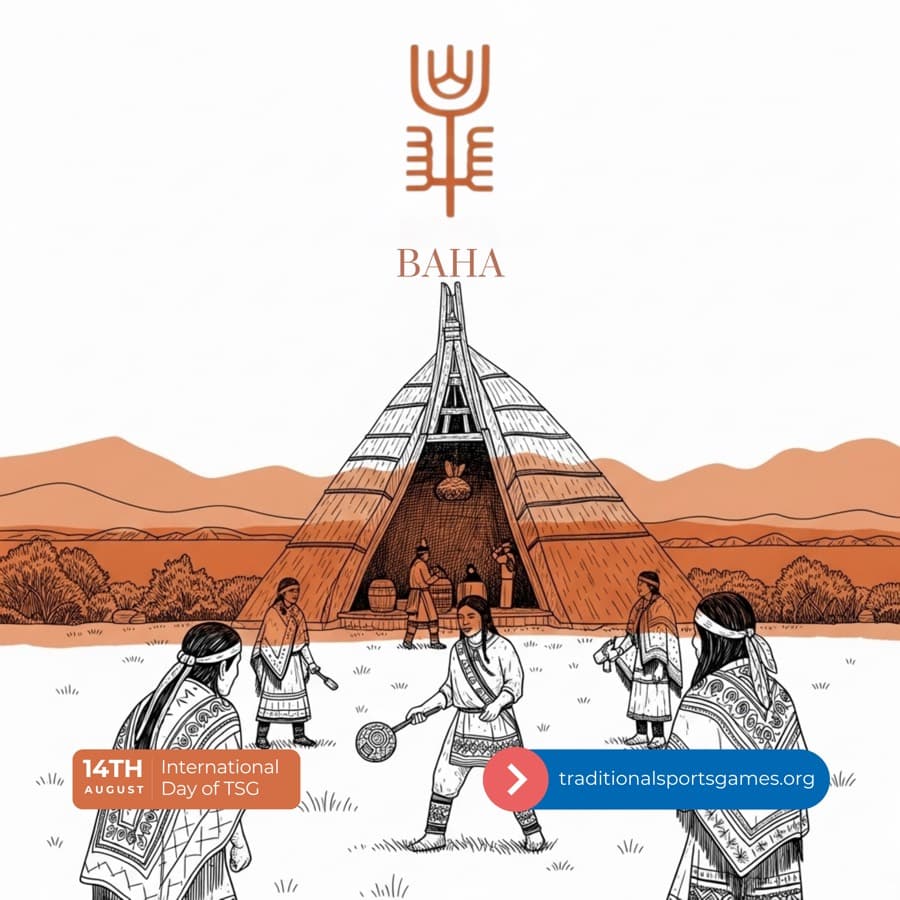
Baha: India’s Tribal Flower Festival Game Preserving Cultural Heritage & Community Unity Baha is a traditional game played during the springtime Baha Parab festival among tribal communities like the Ho, Santhal, and Munda in Eastern India :contentReference[oaicite:3]{index=3}. More than a playful pastime, it reflects deep-rooted indigenous knowledge and intangible cultural heritage, nurturing community cohesion and generational wisdom. Historical & Cultural Background Baha Parab (literally “flower festival”) is a spring celebration where participants gather flowers, perform rituals and play traditional games including Baha. It is an expression of gratitude to deities like Marang Buru and Jaher Ayo, and a way to honor ancestral voices and agricultural cycles :contentReference[oaicite:4]{index=4}. Gameplay & Equipment
Participants: Children, youth, and elders in community groups. Equipment: Fresh flowers, paddles or sticks for tossing or striking. Objective: Players toss flowers between teams or aim at targets—methods vary by region. Winning: Based on successful catches or landing hits, scored informally.
Cultural Significance & Social Practices Baha and associated games during Baha Parab are part of larger performing arts rituals. They support intergenerational transmission of cultural values while fostering community participation and identity. Benefits & Educational Value
Youth empowerment: Builds confidence, coordination, and leadership. Inclusive education: Combines physical play with cultural learning. Global health: Encourages active, outdoor engagement. Civil society engagement: Strengthens community ties and celebration. Sustainable development: Uses local, natural materials with eco-friendly focus.
Alignment with UN’s SDGs
SDG 4: Promotes quality education through heritage-based play. SDG 5: Encourages equal participation of girls and boys. SDG 10: Reduces inequalities via accessible community games. SDG 11: Sustains tribal cultural identity in local communities. SDG 16: Builds peaceful social rituals and coexistence. SDG 17: Fosters partnerships among tribal councils, educators, and ICTSG.
Community Impact & Resilience Baha is instrumental in maintaining tribal identity, environmental awareness, and resilience through communal gatherings. From elders to youth, it links generations, embedding values of respect, gratitude, and ecological harmony. Related Indigenous Games
Tekeli Bhonga (Assam) – Blindfolded pot‑breaking linked with Magh Bihu harvest rituals Dhopkhel (Assam) – Traditional ball‑tossing game promoting athleticism :contentReference[oaicite:5]{index=5} Moksha Patam (India) – Ancient board game teaching moral lessons
Call to Action Join ICTSG in preserving Baha by supporting its documentation in schools and festivals, promoting indigenous play and strengthening cultural heritage bonds among tribal communities. Get Involved Benefits of Joining Support ICTSG
About ICTSG: The International Council of Traditional Sports and Games (ICTSG) works globally to document, celebrate and safeguard traditional sports and games as living cultural knowledge. About Us | History | Contact
When a sport disappears, it is like a language no longer spoken - its stories, values, and lessons risk being lost forever. When we revive a game, we revive a culture.
Khalil Ahmed Khan - President, ICTSG