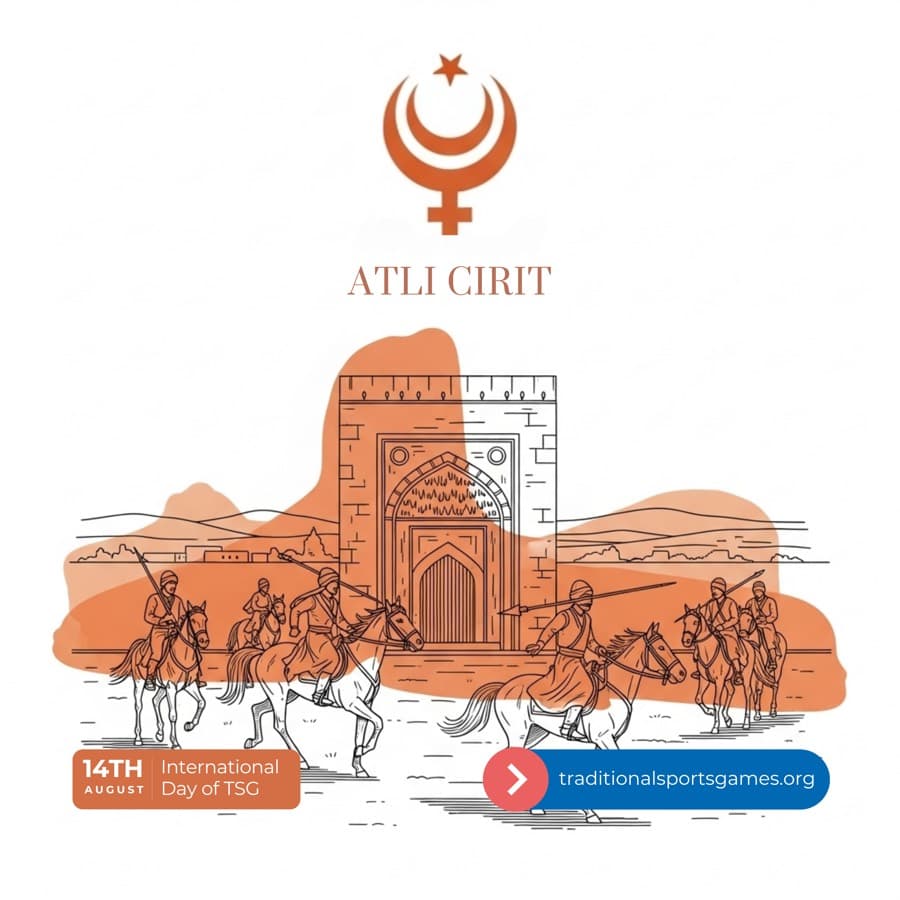
Atlı Cirit (Jereed): The Traditional Turkish Horseback Javelin Game Atlı Cirit (also known as Jereed) is a dynamic traditional sport and game (TSG) from Turkey, originating from nomadic Central Asian heritage. Two teams of horse riders skillfully throw wooden javelins at opponents while galloping—an expression of deep intangible cultural heritage, community values, and performing arts. Historical Background Introduced to Anatolia in the 11th century by Turkic peoples, and later expanded under the Seljuks and Ottomans, Cirit evolved into both military training and royal spectacle. Notably, sultans like Bayezid I and Mehmed I participated, and the sport remained prominent until Sultan Mahmud II banned it in 1826 for safety reasons :contentReference[oaicite:4]{index=4}. Gameplay and Rules
Teams of 7 riders (plus reserves) face off on horseback using poplar wood javelins (70–100 cm long) :contentReference[oaicite:5]{index=5}. Riders alternately throw the javelin at opponents and retreat to their line. Points awarded for hitting an opponent; exceptional sportsmanship (e.g., sparing a rider) is also honored :contentReference[oaicite:6]{index=6}. Play continues until one team’s number falls below five riders.
Cultural Significance Cirit is a living tradition that celebrates **courage, skill, and communal values**. It fosters **civil society engagement** through public festivals, educational programs, and intergenerational mentorship, reinforcing **indigenous knowledge** and local identity :contentReference[oaicite:7]{index=7}. Strategic and Educational Benefits
Balance & Coordination: Riders must master agility in fast-paced maneuvers. Equestrian Bonding: Athletes develop deep trust with their horses, emphasizing animal welfare :contentReference[oaicite:8]{index=8}. Ethics & Fair Play: Sparing opponents earns moral prestige—highlighting forgiveness in competition :contentReference[oaicite:9]{index=9}. Community Pride: Regular tournaments, especially in Kars, Uşak, Erzurum, Malatya and others, nurture local heritage :contentReference[oaicite:10]{index=10}.
Global Parallels Similar equestrian javelin games include:
Buzkashi – Central Asia Mounted Jousting – Europe
Alignment with UNESCO's SDGs Atlı Cirit supports SDG 4 (Quality Education), SDG 5 (Gender Equality), SDG 10 (Reduced Inequalities), and SDG 11 (Sustainable Communities). It contributes to youth empowerment, heritage-based learning, and **civil society engagement**. Community Impact By reviving Cirit through federations and local clubs, communities preserve intergenerational knowledge, boost mental and physical health, and promote cultural diversity as **intangible heritage**. Animal welfare measures underscore respect for horses and sustainable sport practices :contentReference[oaicite:11]{index=11}. Get Involved Benefits of Joining Support ICTSG
About ICTSG: The International Council of Traditional Sports and Games safeguards heritage sports like Atlı Cirit, fostering intergenerational learning and cultural empowerment worldwide. About Us History Contact
When a sport disappears, it is like a language no longer spoken - its stories, values, and lessons risk being lost forever. When we revive a game, we revive a culture.
Khalil Ahmed Khan - President, ICTSG